Bingbing Feng, Yulin Zhao (2025). Development of Techniques for Measuring Lower Limb Flexibility in the Elderly. In: Intelligent Human Systems Integration (IHSI 2025): Integrating People and Intelligent Systems. AHFE Open Access, vol. 160, pp. 76–86. https://doi.org/10.54941/ahfe1005812
Flexibility as one of the influencing factors of physical fitness, is an essential component of overall health and can be regulated through muscle control and joint range of motion.However, the range of motion of many joints tends to decrease with age.The research suggests that, irrespective of gender, shoulder flexibility decreases by approximately 10% per decade from the age of 65. While some individuals maintain their flexibility as they age, their joint function range remains significantly less than that of younger individuals. The decline in joint flexibility directly contributes to reduced physical and functional capabilities, potentially impacting the independence and quality of life for older adults. Therefore, maintaining flexibility is crucial for the elderly population.However, the presence of the body's compensatory mechanism often complicates the detection of a decline in flexibility, leading to limitations in regular individual measurements. Mainstream methods for assessing flexibility primarily involve conventional physical fitness testing techniques and relevant range-of-motion evaluation tools. Common techniques for measuring flexibility mainly encompass the use of contact and non-contact measurement tools such as rulers, goniometers, inclinometers, etc., which quantify range of motion numerically. These methods are well-established in terms of technical principles and offer relatively low costs. Non-contact measurement includes two-dimensional image-based body measurement technology, three-dimensional body measurement technology, and 4D scanning technology. Two-dimensional body measurement relies solely on subject image information but has drawbacks such as difficulty verifying measurement errors. Three-dimensional human body measurement technology is widely used in fields like fashion industry, industrial design, medicine, and gaming due to its relatively accurate data; however high venue requirements and equipment costs hinder its widespread application in daily scenarios.Therefore, this study takes the flexibility of the lower limbs of the elderly as an example, and will develop a new flexibility measurement technique through the construction of a flexibility measurement unit, the determination of the measurement base, and the establishment of the measurement method.To develop a flexible measurement technique, this study centers around four processes: concept definition, method creation, technology selection, and tool design. In terms of conceptual definition, it is proposed to use the ratio method to establish a mathematical formula for flexibility measurement by taking into account the internal factors affecting flexibility in the elderly, and to improve the concept of flexibility measurement, redefine the time and frequency of measurement, and redefine a scientific unit of flexibility measurement. In terms of method creation, it is hoped that the location of key skeletal points in the human body can be deduced from the characteristics of the human body surface, to build a personalized human skeletal structure and accurately measure external joint activity. In terms of technology selection, we comprehensively compare the application of non-contact measurement technology and contact measurement technology, explore the new direction of traditional technology development, and look for breakthroughs in the application of technological innovation; in terms of tool design, we utilize the mirror theory to turn complaints into wishes, explore creative solutions, and design a new type of measurement tool to be used with the mobile phone application of data logging and data display, to measure human body's flexibility in all dimensions, Through the design of new measurement tools, together with data recording and data display mobile applications, we can measure human flexibility in all directions and multiple dimensions, build a visualization platform for flexibility data, accumulate and count the flexibility data in the long term, and help improve the construction of the flexibility database.This study will fill the gap of human factors engineering in the methodological dimension of flexibility measurement, and develop a new lower limb flexibility measurement technology for the elderly, which will not only provide data support for the development of the elderly health industry, but also open up business opportunities for the industry, and innovate the technology system and commercial service model.
The swift evolution of science and technology has brought about a revolution in traditional manual labor, significantly enhancing production efficiency and the quality of life for modern individuals. In health, advancements have extended life expectancy, prompting a focus on high-quality living. However, society is facing an unprecedented aging challenge. The 2019 World Population Trends Report projects a global population of 9.8 billion by 2050, with over 1.5 billion aged over 65, making up 16% of the total. This trend underscores the severity of aging and the significant societal challenge it poses. Amidst this, the health industry’s importance grows as a key to sustainable aging and a sunrise sector hard to replace by AI.
Development of Techniques for Measuring Lower Limb Flexibility in the Elderly 77
Healthy aging, as an ideal societal process, focuses on maintaining functional capabilities for a healthy life, with a central concern for the well- being of the elderly (WHO, 2015). Aging brings physiological changes like muscle strength loss and flexibility decrease. Flack (2011) noted a 3-8% muscle mass loss per decade, increasing fall risk, a health threat (Hans, 2021). Jiahui (2016) found a 23.8% activity impairment in Chinese seniors over 60, highlighting the challenge of maintaining daily activities.
Health fitness, a core health indicator, includes strength, endurance, cardiofitness, and flexibility. Flexibility, often overlooked, is vital for joint health. Softness assessment faces challenges like unclear bases and poor data precision. This study aims to redefine measurement concepts and explore methods by analyzing softness assessment status. It seeks to innovate measurement and develop professional, efficient tools. This study will build a scientific softness measurement technique to improve health, optimize elderly life quality, and guide the health industry’s sustainable growth.
In summary, the progress in elderly physiological health emphasizes the importance of flexibility for life quality. Through lower limb softness measurement technology, we’ll better assess and intervene in elderly health, aiding self-management and quality of life improvement.
LITERATURE REVIEW
Theoretical Basis of Human Factor Engineering Human factors engineering, as an interdisciplinary science, focuses on understanding the interactions between humans, technology, and the environment. Against the backdrop of daily living difficulties for the elderly, human factors engineering provides a theoretical framework and methodologies for designing and improving living and activity environments suitable for older adults. These theories include but are not limited to:
1. Universal Design Principles: These principles emphasize that design should consider all users, including the elderly and those with mobility impairments. Measurement tools should have an intuitive interface, clear instructions, and simplified operation steps to reduce the cognitive load on the elderly (Story, Mueller, & Mace, 1998). 2. Anthropometry: By studying human body size data, tools suitable for the characteristics of the elderly population can be designed. Considering potential body size changes in the elderly, such as reduced height and limited joint mobility, tools should be adjustable to accommodate different user body conditions (Pheasant, 1991). 3. Cognitive Load Theory: When designing, the cognitive load on the elderly during the operation of measurement tools should be minimized. Simplified operating guides and clear feedback mechanisms can help the elderly understand and use the tools more easily (Sweller, Ayres, & Kalyuga, 2011). 4. Biomechanics: When designing measurement tools, the muscle strength and movement capabilities of the elderly should be considered to ensure that the use of the tools does not impose excessive physical burdens on
78 Feng and Zhao
them. The operation of the tools should minimize the need for lifting, pushing, pulling, or maintaining postures for extended periods (Chaffin & Andersson, 2006). 5. Environmental Adaptability: Measurement tools should be easily usable in the living environments of the elderly, whether at home, in nursing homes, or medical facilities. The design of the tools should consider different environmental conditions such as lighting, space, and floor conditions (Bridger, 2003).
By applying these human factors engineering theories, it is possible to develop lower limb flexibility measurement technologies that meet the physiological and psychological needs of the elderly and provide accurate measurement results. These tools will assist the elderly in conducting daily self-monitoring more easily and also provide a foundation for the establishment of a flexibility database.
Study on Physiological Health of the Elderly When analyzing the physiological health status of the elderly, it is necessary to consider the decrease in physical flexibility due to the lack of daily exercise as they age. The physiological health issues of the elderly are often related to the weakening of muscle strength, the reduction of bone density, the decrease in joint flexibility, and the degeneration of the nervous system (Spirduso, 1995). These physiological changes not only limit the activity ability of the elderly but also increase their risk of injury. In particular, the decrease in flexibility has become a key factor affecting the quality of life of the elderly. The reduction in flexibility is a significant indicator of physiological degeneration in the elderly. With the increase in age, the muscles and ligaments of the elderly gradually lose elasticity, leading to limited joint mobility (Norkin & White, 2016). This loss of flexibility not only affects the ability of the elderly to perform daily activities such as bending and stretching their legs but may also lead to pain and discomfort in the musculoskeletal system (Ryan et al., 2008). Regular flexibility training can not only improve the range of motion of joints, enhance the elasticity of muscles, reduce pain and stiffness, but also improve the quality of life of the elderly.
In summary, the progress in the research on the physiological health of the elderly emphasizes the importance of flexibility in maintaining the quality of life for the elderly. Through the design and research of lower limb flexibility measurement technology, we can not only more accurately assess the physiological health status of the elderly but also provide them with more targeted intervention measures. The development and application of these technologies will help improve the elderly’s self-management ability and thus enhance their quality of life.
Softness Related Research Flexibility is a key indicator of an individual’s physical fitness, involving the range of motion of human joints in various directions. With the increase in age, the flexibility of the elderly often undergoes a natural process of decline, which not only limits their activity capabilities but may also lead to a series
Development of Techniques for Measuring Lower Limb Flexibility in the Elderly 79
of health issues. Flexibility is a multidimensional concept (Table 1), involving muscle control, joint mobility, and the elasticity of joints and surrounding structures (Qiuxia, 2008). Scholars such as Jie (2006) classify flexibility into active and passive types: active flexibility refers to the ability of muscles to actively contract and move joints, while passive flexibility is the maximum range of joint motion that can be achieved with the assistance of external forces, which is significant for assessing and training flexibility. Additionally, Sun Qingbin and others (2008) propose the concept of absolute and relative flexibility, where absolute flexibility reflects the flexibility of a specific body part, and relative flexibility considers the comparison between different parts, eliminating the impact of individual body differences.
When exploring the flexibility of the elderly, it is necessary to focus on both upper and lower limbs. Although upper limb flexibility directly affects daily activities such as dressing, combing hair, and reaching for high items (Chodzko-Zajko et al., 2009), the importance of lower limb flexibility should not be overlooked. The lower limbs play a supporting, weight-bearing, and balancing role in the overall body structure and are key factors in limb movement. Studies have shown that many joint mobility ranges decrease with age (Germain & Blair, 1983); among them, hip joint flexibility shows the most severe degenerative phenomenon (Thorsteinsson et al., 1975); scholars like Hou Man and others (2004) pointed out that lower limb flexibility is an important parameter for evaluating the physical condition of the elderly. As mentioned above, this study will focus on the lower limb flexibility of the elderly for in-depth research.
Table 1. Academic definition of softness (author’s own).
Table available in the original PDF paper.
Tme Scholar Research content 2016 Norkin & White measurements of joint range of motion, the definition of flexibility is limited to structures such as bones, muscles and ligaments. 2012 Kay & Blazevich The acute effects of static stretching on muscle performance and flexibility were systematically reviewed, and the relationship between flexibility and strength performance was indicated. 2010 Weppler & Magnusson
To explore the mechanism of increasing muscle malleability, softness is related to muscle extensibility and sensory changes. 2008 Ryan et al. To study the effect of passive stretching on muscle-tendon stiffness in different time periods, softness is related to muscle stiffness. 2002 Wang Ruiyuan Flexibility is the ability of the human body to complete large-scale motor skills during movement, that is, the movement ability of the human body joints in different directions. 1996 Magnusson et al. The biomechanical response of repeated stretching of hamstring muscle was studied. The flexibility is related to the adaptability and biomechanical properties of muscle.
80 Feng and Zhao
Soft Measurement Technology Research To accurately assess softness in older adults, researchers have developed a variety of measurements. These methods have evolved from traditional manual measurement, such as ruler and Angle meter, to more advanced electronic measurement equipment and dynamic capture systems (Ayala et al., 2012). In the field of soft measurement, technology has evolved to provide more accurate and convenient assessment methods that can be adapted to the needs of different populations.At present, soft measurement technology is mainly divided into two categories: measurement tools and measurement methods. The following is a comprehensive summary of these techniques and approaches
Measuring Tool Traditional tools such as rulers, goniometers, and inclinometers offer basic joint range-of-motion measurements at a low cost and simple to operate, ideal for initial flexibility assessments. However, they require user skill and are sensitive to environmental factors, posing challenges for elderly independent use. They also lack real-time feedback, potentially reducing data accuracy and timeliness.
Advanced electronic measuring equipment, including electronic goniometers and pressure sensors, offers enhanced precision and repeatability for quantifying muscle and joint flexibility across various positions. It minimizes human error with digital readings, facilitating trend analysis from multiple measurements. However, such equipment tends to be costly and complex to operate, often restricted to specific environments like laboratories or clinics, and may not be practical for routine home use.
Non-contact measurement tools encompass technologies like 2D image- based body measurement, 3D body scanning, and 4D scanning. These tools analyze joint motion range from video footage, offering a contact-free option suitable for large-scale assessments. However, they may incur significant measurement errors and are typically used in specialized settings like fashion and medicine due to equipment and site constraints, limiting their daily home use.
Method of Measurement Static measurement methods involve assessing the basic level of flexibility by measuring the maximum range of joint motion in a static position, like the seated forward bend test. These methods are straightforward for preliminary evaluations but are limited to static conditions and may not fully capture flexibility under dynamic activities.
Dynamic measurement methods evaluate joint motion and muscle elasticity during exercise, ideal for assessing athletic performance or rehabilitation progress. These methods reflect flexibility in motion, requiring professional equipment or technical assistance, complex to operate, and challenging for home use.
Functional measurement methods assess the impact of flexibility on daily activities, such as stair climbing and sitting-to-standing movements, directly
Development of Techniques for Measuring Lower Limb Flexibility in the Elderly 81
correlating to daily life needs. These practical assessments are particularly beneficial for the elderly, aiding in fall risk prediction and mobility assessments. However, standardization is challenging due to individual variability.
The integration of these techniques and methods offers a robust tool for comprehensive softness evaluation. With advancing technology, future softness measurement will prioritize user-friendliness, data accuracy, and real-time feedback to cater to elderly health management and life quality enhancement needs. This study aims to develop user-friendly, efficient, and convenient softness measurement tools grounded in human factors engineering and elderly-specific needs. The goal is to empower older adults with easy and precise self-monitoring of softness, akin to height measurement. By applying these innovative tools and methods, we anticipate enhancing elderly self-health management and life quality experiences.
DEVELOPMENT AND VALIDATION OF NEW TECHNIQUES FOR LOWER LIMB FLEXIBILITY IN THE ELDERLY Lower Limb Flexibility Measurement Tool for the Elderly
Based on the principle of anthropometry, this study first analyzed the range of motion of the lower limb joints to determine the key nodes and reference positions of measurement. Combined with a body size database for Asian populations, the new benchmark is broadly applicable. Specific steps include: (1) Determination of key parameters: By analyzing the lower limb flexibility of the elderly, key evaluation indicators including range of motion, muscle length and joint stiffness were selected, especially considering the factors of muscle elasticity decline and joint degradation in the elderly. (2) Ergonomic integration: In the design of tools, combining ergonomic theory, focus on reducing the tension and discomfort of elderly users. Tools should be light, portable and able to operate independently in a home environment for accurate measurement.
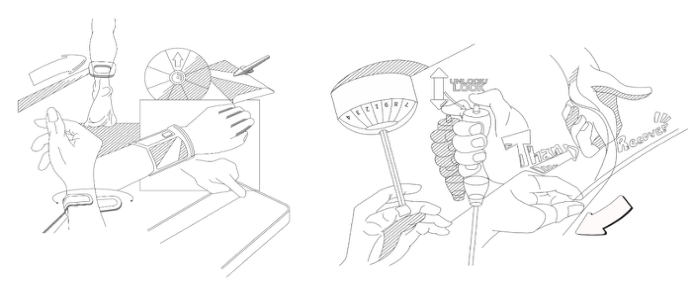
In order to establish a new measurement method for lower limb flexibility in the elderly, this study developed a flexibility measurement tool suitable for home use (Figure 1). The design focuses on high flexibility, ease of
82 Feng and Zhao
operation, portability and independent use, and a precision gear, ratchet and measuring tape system is adopted to ensure the accuracy and convenience of measurement. Combining static and dynamic measurement methods, standardized test procedures, movement instructions and data recording specifications were developed to comprehensively evaluate the flexibility of lower limbs in the elderly. Through multiple rounds of user testing in rehabilitation centers and community locations, feedback is collected to continuously optimize the design, improve the comfort and ease of operation of the device, and ensure that it can be used effectively in a variety of environments.
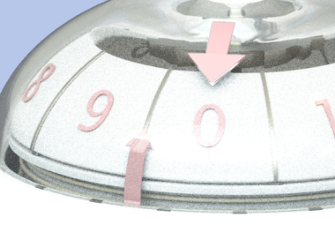
Figure 2: Soft measuring tool (author’s own).
In the process of development and verification of new technical tools for lower limb flexibility measurement, this study designed and developed a flexibility measurement instrument for the elderly (Figure 2). According to user requirements and design opportunity points, it integrates functions such as top cover, ratchet set, display wheel and wire wheel to achieve high- precision flexibility measurement. By analyzing the measured data of older participants, the reliability and validity of the new technology are evaluated and compared with traditional flexibility testing methods to explore its application potential in the health management of older people. In the data analysis process, the measurement results of the new technology are compared with existing methods, and the design and software interface of the measurement tool is further optimized to ensure that it is suitable for long-term monitoring and use.
Measurement Program Development In this project, we focused on the development of a mobile app called “Flexotone”, which aims to help users assess and manage their body flexibility, especially for the elderly group. The app will offer a range of features to support users in maintaining and improving their physical health.
(1) Core functions: In the body assessment section, users can understand their own body flexibility through simple tests and obtain basic flexibility data.In the training plan section, according to the user’s evaluation results, provide personalized training suggestions to help users improve flexibility.In the circumference recording plate, users
Development of Techniques for Measuring Lower Limb Flexibility in the Elderly 83
can record the data of each measurement and track the change trend of softness. A detailed body part assessment, including joint range of motion and muscle elasticity, is provided in the Body assessment plate. (2) User interface: Includes the home page, setting page, etc. The home page is the main functional module to display the application, such as physical assessment, all courses, training plans, circumference record and physical assessment. In the Settings section, users can manage personal information, account security, privacy Settings, etc. The section of my page shows the user’s measurement records and body type data, and the user can see how their flexibility has changed. (3) Technical features: Portability is as a mobile application, users can use anytime, anywhere, without downloading additional applications.User friendliness is the interface design is simple and intuitive, easy to operate, suitable for users of all ages. Data security means that all user data is stored encrypted to ensure personal privacy and information security. (4) Development technology: Mobile application development framework is the use of existing mobile application development framework and API to achieve application functions.Local storage is the use of the local storage capabilities of mobile devices to save user data and Settings. Cloud services realize data synchronization and backup through the cloud service platform.
Flexotone will be a comprehensive health management tool designed to help users, especially the elderly population, better manage their physical health. Through regular flexibility assessments and personalized training recommendations, users can improve their quality of life and health. The intended effect is to help the user understand their flexibility level and develop an appropriate exercise plan. To improve the quality of life and health of the elderly. Prevent potential health problems such as joint pain and limited mobility with regular flexibility assessments.
CONCLUSION
An Overview of the Contemporary Methodologies for Assessing Lower Limb Flexibility in the Elderly Population In order to effectively assess and manage lower limb flexibility in the elderly, it is essential to develop accurate measurement techniques. These technologies must be designed with the physiological characteristics and practical needs of the elderly in mind to ensure that they are both safe and practical. For example, measurement tools should be designed to be easy to operate and to be easily used in the living environment of the elderly. In addition, measurement techniques should be able to provide immediate feedback to help older adults understand their flexibility status and guide them to appropriate flexibility training (Ayala et al., 2012). At present, common techniques for measuring lower limb flexibility in the elderly mainly rely on traditional methods, such as sitting forward flexion, joint range of motion test, and extension assessment of specific muscles. These methods often use simple measuring tools or visual inspection to assess flexibility and have some
84 Feng and Zhao
applicability. However, a significant problem with existing methods is the difficulty of accurately quantifying flexibility in the elderly, especially in the face of muscle stiffness and joint degeneration caused by aging. In addition, the operability of traditional methods is poor, often requires other people’s assistance or high technical level, which limits its wide application in the elderly population.
Problems and Challenges in the Measurement of Lower LIMB Flexibility in the Elderly Traditional manual measurement methods have limitations in accuracy, which makes it difficult to obtain highly accurate values in the assessment of lower limb flexibility in the elderly. However, the advantage of these methods is that they are easy to use, do not require complex equipment, and are suitable for the elderly to take measurements at any time in their home environment. The lightness and burdenless use experience of the existing tools make them convenient in the daily life of the elderly. However, with the increasing demand for individualized health management, how to improve measurement accuracy while maintaining convenience has become one of the main challenges in the development of flexibility measurement technology.
Development Trend of Lower Limb Flexibility Measurement Techniques in the Elderly Future technological development should focus on creating user-friendly, intelligent, and portable tools for elderly flexibility measurement:
(1) Convenience and Accessibility: New tools should simplify operations, allowing seniors to independently measure flexibility at home or outdoors without relying on specific locations or equipment. They should be compact, lightweight, and easy to carry, ensuring easy use in various settings. (2) Intelligent and Automatic Positioning: Tools should feature automatic identification and alignment of measurement points, using sensors and algorithms to minimize human error and improve accuracy. (3) Immediate Feedback and Personalized Guidance: Tools should provide real-time feedback, enabling users to understand flexibility results immediately. Intelligent analysis offers personalized guidance for tailored training and health management. (4) User-Friendly Design: Ensure the design is accessible, with an intuitive interface and straightforward operation, minimizing physical and technical demands.
These trends aim to enhance lower limb flexibility measurement technology, making it more intelligent, personalized, and convenient for elderly health management.
REFERENCES
Ayala, F., de Baranda, P. S., Croix, M. D. S., & Santonja, F. (2012). Absolute reliability of five clinical tests for assessing hamstring flexibility in professional futsal players. Journal of Science and Medicine in Sport, 15(2), 142–147.
Development of Techniques for Measuring Lower Limb Flexibility in the Elderly 85
Bridger, R. S. (2003). Introduction to Ergonomics. Taylor & Francis. Chodzko-Zajko, W. J., Proctor, D. N., Singh, M. A. F., Minson, C. T., Nigg, C. R., Salem, G. J., & Skinner, J. S. (2009). Exercise and physical activity for older adults. Medicine & science in sports & exercise, 41(7), 1510–1530. Chaffin, D. B., Andersson, G. B., & Martin, B. J. (2006). Occupational biomechanics.
John wiley & sons. Chen, L. K., Liu, L. K., Woo, J., Assantachai, P., Auyeung, T. W., Bahyah, K. S., et al. (2014). Sarcopenia in Asia: Consensus report of the Asian Working Group for Sarcopenia. Journal of the American Medical Directors Association, 15(2), 95–101. Flack, K. D., Davy, K. P., Hulver, M. W., Winett, R. A., Frisard, M. I., & Davy, B. M.
(2011). Aging, resistance training, and diabetes prevention. Journal of aging research, 2011(1), 127315. Germain, N. W., & Blair, S. N. (1983). Variability of shoulder flexion with age, activity and sex. American corrective therapy journal, 37(6), 156–160. Hou Man, Hou Jia, & Wang Hanyu. (2004). A study on lower limb flexibility test
in 60 ∼89 years old. Journal of Beijing Sport University, 27(1), 3. Norkin, C. C., & White, D. J. (2016). Measurement of joint motion: A guide to goniometry. FA Davis. Kay, A. D., & Blazevich, A. J. (2012). Effect of acute static stretch on maximal
muscle performance: a systematic review. Medicine & Science in Sports & Exercise®, 44(1), 154–164. Lin Hans & Chen Weijun. (2021). The influence of exercise on balance in the elderly.
Journal of Culture and Sports, 1–14. Liu, J. (2006). Research methods of sports science. People’s Sports Publishing House. Magnusson, S. P., Simonsen, E. B., Aagaard, P., Sørensen, H., & Kjaer, M. (1996).
A mechanism for altered flexibility in human skeletal muscle. The Journal of physiology, 497(1), 291–298. Ryan, E. D., Beck, T. W., Herda, T. J., Hull, H. R., Hartman, M. J., Costa, P. B.,... & Cramer, J. T. (2008). The time course of musculotendinous stiffness responses following different durations of passive stretching. Journal of Orthopaedic & Sports Physical Therapy, 38(10), 632–639. Privitera, M. B., Evans, M., & Southee, D. (2017). Human factors in the design of
medical devices–Approaches to meeting international standards in the European Union and USA. Applied ergonomics, 59, 251–263. Pheasant, S. (1991). Ergonomics, work and health. Story, M. F., Mueller, J. L., & Mace, R. L. (1998). The universal design file: Designing for people of all ages and abilities. Sun Q B, Du Y & Jiang T. (2008). Measurement validity analysis of flexibility in
physical fitness measurement. Chinese School Health (02), 166–167. Sweller, J., Ayres, P., & Kalyuga, S. (2011). Cognitive load theory. Springer. https: //doi.org/10.1007/978-1-4419-8126-4 Spirduso, W. (1995). Physical dimensions of aging. Thorsteinsson, J., Bjrnsson, O. J., Kolbeinsson, A., Allander, E., & Olafsson, O.
(1975). A population study of rheumatoid factor in Iceland. A 5-year follow-up of 50 women with rheumatoid factor (rf). Ann Clin Res, 7(3), 183–194. van der Vorst, A., Zijlstra, G. R., Witte, N. D., Duppen, D., Stuck, A. E., Kempen, G. I.,... & D-SCOPE Consortium. (2016). Limitations in activities of daily living in community-dwelling people aged 75 and over: A systematic literature review of risk and protective factors. PloS one, 11(10), e0165127. Wang R Y. (2002). Exercise physiology.
86 Feng and Zhao
World Health Organization. (2015). World Report on Ageing and Health. World Health Organization. Weppler, C. H., & Magnusson, S. P. (2010). Increasing muscle extensibility: A matter
of increasing length or modifying sensation?. Physical therapy, 90(3), 438–449. Qian Jiahui, Wu Kan, Luo Huiqiang, Cao Peiya, & Ren Xiaohui. (2016). Current status and influencing factors of loss of activity of daily living in Chinese elderly. Chinese Journal of Epidemiology, 37(9), 1272–1276. Zhang Qiu-Xia. (2008). Sports measurement and evaluation. Higher Education
Press.
LISTED IN THE AHFE DIGITAL BOOKSTORE CATALOGUE
Explore the complete digital volume
Intelligent Human Systems Integration (IHSI 2025): Integrating People and Intelligent Systems
Read this individual research paper free through the original publisher, or explore the full digital proceedings book.
ISBN 978-1-964867-36-6
Explore this ISBN in the AHFE Bookstore ↗Listed in the July 2026 bookstore catalogue; search by ISBN to confirm current availability · Digital book purchase optional