Gianmarco Longo, Silvia Albano (2025). Bridging Creativity and Technology: Integrating Generative AI into Architectural Pedagogy Through Hybrid Frameworks. In: Intelligent Human Systems Integration (IHSI 2025): Integrating People and Intelligent Systems. AHFE Open Access, vol. 160, pp. 318–330. https://doi.org/10.54941/ahfe1005837
Integrating Generative AI into architectural pedagogy marks a transformative shift in how design is conceptualized and taught. However, the primary challenge for educators lies in understanding how students can effectively control AI tools to produce design outputs that align with their creative ideas and address the requirements of the modules, all while navigating the complexities introduced by these technologies. This study explores a hybrid, human-artificial system-centered design approach employed in a series of speculative design workshops, to enhance the educational experience by integrating AI tools with traditional design methodologies. Two workshops focused on developing the future of lighting were conducted at a transnational university in China, utilizing a speculative design methodology that combines future thinking with a series of interrelated experiences involving numerous dynamic phases (Burns,1999). These elements are introduced as forms of experiential learning during the workshops to enhance students' engagement in diverse and complex activity settings. (Kolb,1984). The hybrid framework allowed analog and digital inputs, encouraging students to maintain control over their creative processes while leveraging AI's capabilities to augment their design outcomes. Integrating generative AI within a structured pedagogical framework significantly enhanced students' cognitive processes and engagement with complex design tasks. This approach fostered an environment where students could experiment with unconventional ideas and rapidly iterate on their designs, leading to more innovative and cohesive outcomes. The experiential learning approach also helped bridge the gap between theoretical knowledge and practical application, enabling students to better understand the implications of AI in contemporary design practice. The findings underscore the need for a structured yet flexible approach to integrating AI in design education, which helps students navigate the complexities of new technologies while enhancing their creative potential and skills. This approach sets a precedent for future educational strategies in design disciplines, fostering the creation of powerful hybrid-human artificial systems fully centered on the development of high-quality design solutions.
Bridging Creativity and Technology: Integrating Generative AI 319
INTRODUCTION
Generative AI in Speculative Design Workshops The advent of generative AI has revolutionized the Learning and Teaching experience, particularly in design disciplines. However, there is a notable gap in understanding how students engage with AI to control design outputs. In recent years, a series of experimental workshops has introduced students to the utilization of generative AI tools. The two workshops “The Quality that Lights Up” and “The Week of Light” were conducted in a transnational university in China, with the aim to encourage students to employ generative AI tools to visualize their design intentions.
Figure 1 and 2: Workshops poster.
Research Objectives: Integrating AI into Design Pedagogy This study investigates the students’ experiences and interactions with AI tools to uncover the strategies, challenges, and learning process associated with the ingratiation of AI tools into design education. Through this pedagogical methodology, the main aim is not only to enhance students’ understanding of AI in design but also to foster critical thinking, creativity, and adaptability in response to technological advancements within the field. Within this framework, we have investigated the effectiveness and the impacts of this experience-based methods of learning and innovative educational tools in architecture.
LITERATURE REVIEW
Intervention Strategy, Literature To facilitate students learning process and their control over generative AI tools, Speculative Design (Dunne & Ruby, 2013) and Future Thinking (Evans & Sommerville, 2007) were used as theoretical background during the planning stage of the workshops. This self-reflective, systematic and critical approach (Cornwell, 1999) has been introduced into the workshops
320 Longo and Albano
to guide students in envisioning different futuristic scenarios and generating theoretical as well as practical knowledge about the lighting topic. The aim is to identify problematic situations or issues considered by the participants to be worthy of investigation (Burns, 2015). The participants investigation process followed Schön’s theory Reflection in Action: thinking ahead, analyzing, experiencing and critically responding.
Reflective Dialogue This study applies a research framework to examine how students engages with AI in a reflective design cognition working process, following Schön’s (1992) “seeing-moving-seeing” theory. He argues that the decision-making involves a cyclical process of action and reflection, utilizing the concept of “reflection-in-action” and “reflection-on-action” (Schön, 1983) to describe how to engage with problems and learn from experiences. For him the action of design is not primarily a form of problem-solving, information processing, or search, but a ‘reflective dialogue’ between the designer and the materials of the situation in he or she is interested (Norbert et al., 1998). Schön’s framework highlights how reflective practices can address the concept of uncertainty, ambiguity, and surprise, which are typical phenomena that designers can experience when interacting with AI tools. Schön’s framework has significant implications for professional education and development, which may explain why many educators choose to incorporate reflective practices based on Schön’s work.
Experiential Learning This research activity follows Kolb’s experiential Learning theory, which states that knowledge is created through the transformation of experience. Knowledge results from the combination of grasping and transforming experiences (Kolb, 1984). Kolb theory highlights the importance of engaging learners in hands-on experiences, facilitating reflection on these experiences, and integrating new insights into future actions. For this reason, during the workshops, students were exposed to different activity/experiences, such as a factory visit to the lighting design industrial partner, and a series of immersive experiences in the in-house lighting experience room (built up by the workshop Facilitators in the Architecture Design Building to simulate lighting phenomena).
Speculative Design Framework The proposed speculative design framework follows a methodological approach (Balagtas, 2019; Candy, 2018) to research drivers, trends and identifying focal issues, (Santer, 2019) and construct archetypal futuristic scenarios (Fergnani, 2019). The scenario archetypes were used to structure further analyses and shape probable spatial outcomes with lighting experiences. This future thinking process (Prati et al., 2024) allowed the students to develop plausible and compelling visions of the future. This speculative design framework akin to various design methodologies like Human-Centred Design, employs a cognitive approach to foster creativity and utilizes visualization techniques to enhance empathy and immersion.
Bridging Creativity and Technology: Integrating Generative AI 321
Miro Virtual Learning Environment and Active Learning Miro web platform was select as a virtual learning environment (VLE) to structure and share the proposed Speculative Design Framework (SDF). This VLE platform provided students the opportunity to collaboratively share their ideas about the future of lighting. In order to enhance students’ engagement and learning experience during the workshops, the proposed speculative design frameworks followed Active versus Passive Learning (Bath & Bourke, 2010: 25) methodologies employing active learning strategies, such as group discussions and problem-solving activities. During the initial stage of the workshops the speculative design framework was shared on the online platform Miro, encouraging the students to collaborate in teams and utilize the platform as a dynamic white-board, giving them the possibility to develop different activities: research, mind mapping, post-it pin-up, storyboarding, etc.
VLEs and AI Applications in Education The application of a Virtual Learning Environment (VLE) may be not the most innovative educational technology in use today, but it is one of the most widespread and easily adopted by students. Numerous surveys have confirmed students’ satisfaction with new digital learning tools and their intention to participate in improving virtual products used in the educational process (Bogusevschi et al., 2020). Working in VLEs allows students to work collaboratively and gain positive experience. In the near future, we will witness a greater integration of various technologies within virtual learning environments. One example of this could be the use of AI to implement point systems, levels, and rewards. By incorporating gamification, we can provide clear incentives for students to actively engage in their learning (Hadian et al., 2024). Indeed, according to various international reports, Artificial Intelligence in Education (AIEd) is one of the currently emerging fields in educational technology. The application of AIEd has been the subject of research for about 30 years. However, on a wider scale, educators have just started to explore the potential pedagogical opportunities that AI applications present for supporting learners during the student life cycle (Zawacki et al., 2019).
METHODOLOGY
AI Speculative Design Framework Implementation Before starting these speculative design workshops, one on the first reflection during the meetings with the Facilitators was how students could generate alternative design solutions and facilitate the experimentation with unconventional ideas in a limited timeframe window, since each workshop phase will last only five days. Studies by Smith (2019) and Brown & Jones (2021) highlights the AI’s capacity to challenge conventional design solutions by generating unconventional and imaginative design concepts. The idea was to create a framework based on Speculative design and Future thinking to promote interdisciplinary research and delineate future research directions, allowing student to create a narrative and utilize Generative
322 Longo and Albano
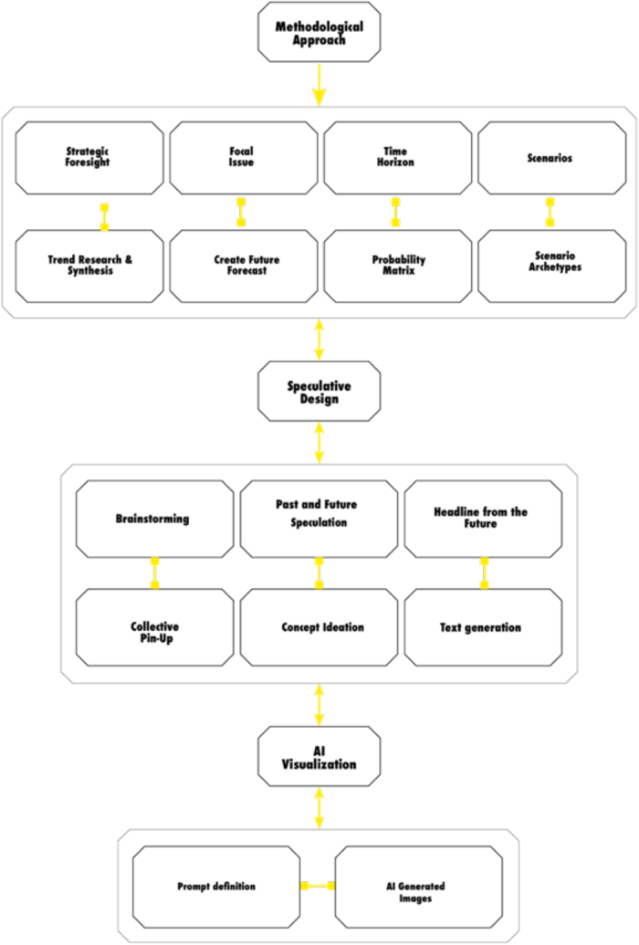
AI tools to visualize Scenarios and Solutions. In the first phase of the workshops, students followed the methodologies of Balagtas and Fergnani to envision Futures of Light. They investigated trends, conducted research, and synthesized information while exploring focal issues and scenario archetypes. The aim was to enable them to create a probability matrix and evaluate the potential impact of their ideas. Each day was dedicated to a distinct phase of the SDF, with students receiving instructions at the outset regarding the particular task to be completed.
Figure 3: AI speculative design framework methodology.
Bridging Creativity and Technology: Integrating Generative AI 323
They would then present their findings to the tutors for feedback by day’s end. Furthermore, students were supplemented with lectures providing theoretical frameworks and practical examples in the realm of lighting design. Additionally, they had the opportunity to visit the industrial partner lighting factory and office showroom in Shanghai, where they gained insights into the manufacturing process and witnessed the innovative outcomes produced by the company.
Figure 4 and 5: Miro VLE speculative design framework (Longo et al., 2024).
Figure 6 and 7: Miro students’ interaction and boards.
324 Longo and Albano
Some of the participants commented: “I think the speculating part, when we imagine and draw things on what aims we want to achieve was super interesting, because it’s on the route of everybody’s flights of fancy.”
Hybrid Pedagogical Methodologies Following Schön and Kolb experienced-based pedagogical methods of learning to actively engage students with experiences, the proposed framework guided students to explore the capabilities of these innovative technologies. This experimental approach allowed them to develop what Schön calls “reflection-in-action skills,” enhancing their ability to make effective decisions under challenging conditions (Schön, 1983). Thanks to these technologies students were more engaged in learning, and they apply the received knowledge better in real-life situations. Technology can made learning smarter, more effective, and more fun for students (Singh, 2023). The idea to investigate new technologies during the workshops was to perform an educational experiment, focusing on developing hybrid pedagogical methodologies. Use these techno-pedagogical strategies in the classroom need more attention compared to the conventional pedagogical approaches. As a teacher, having competency in technology and pedagogy requires knowledge of the different capabilities of various technologies used in teaching and learning settings (Miah, 2024).
Figure 8 and 9: Schön’s methodology and AI SDF implementation.
Bridging Creativity and Technology: Integrating Generative AI 325
Generative AI Implementation The main challenges of this workshops for the facilitators were to create different frameworks and find suitable AI visualization platforms that would work with students’ inputs (analog and digital), sketches and prompts, to generate AI outputs consistent with their design intent. Different AI tools were used during the workshops:
VIZCOM - a cloud-based platform that combines AI, photorealism, and creative workflow – Sketch + Prompt input - FREE TRIAL.
MIDJOURNEY - a generative artificial intelligence program that creates images from natural language descriptions called prompts. Iterations and variations allow to better define the design concept according to the requirements of the brief - PERSONAL SUBSCRIPTION.
PROMAI - a generative artificial intelligence web tool that transform sketches into realistic photos and high-quality videos - SPONSORED SUBSCRIPTION.
To better support students’ learning processes and outcomes, the PromAI team was invited during the Week of Light workshop to introduce the AI web tool capabilities through an on-site lecture and live tutorials.
Figure 9 and 10: PromeAI lecture at XJTLU design building.
DISCUSSION
This research discusses on the ongoing experimentation and dialogues about the AI’s role exploring a pedagogical approach to teach AI in Architectural education. Embracing Schön and Kolb experienced-based methods of learning by actively engaging students with experiences, allowed them to develop what Schön calls “reflection-in-action skills,” enhancing their ability to make effective decisions under challenging conditions (Schön, 1983). The integration of a speculative framework guided and significantly enhanced students’ workflow to navigate and control the potential of the AI amplifying their creative prowess, utilizing the AI tools not as a replacement for their
326 Longo and Albano
creativity but as a tool to augment their capabilities. The students cognitive process on the specific lighting topic was enhanced, allowing them to explore more possibilities. Integrating Miro virtual environment supported students synchronous learning interactions. It also helped them to investigate, discuss and present their finding with their peers and Teachers using it as a digital communication tool. Some of the student participants commented: “I love guest designers who give a whole new perspective on the methodology of designing things. Creating a few days’ workshop is interesting because it’s quick and challenging, yet provides fresh and innovative outcomes. This is effective for learning the basics of a certain thing, or giving quick ideas (brainstorming).”
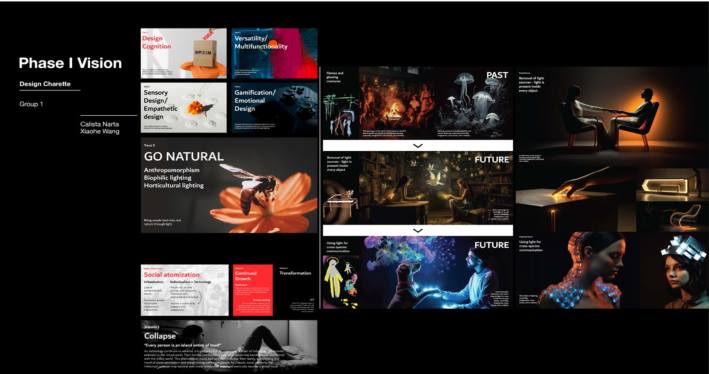
Figure 11: The quality that lights up students outcome phase I vision (Midjourney-AI).
Thanks to those pre-constructed hybrid frameworks, students could use a combination of analogical and digital methods: hand sketches, post-it pin-up, storyboard, physical space configurations (Albano et al.), etc., to translate their design intent and provide input into the AI tools. The integration of those frameworks guided and significantly enhanced students’ workflow to navigate and control the potential of the AI amplifying their creative prowess, utilizing the AI tools not as a replacement for their creativity but as a tool to augment their capabilities. The students cognitive process on the specific lighting or interior design topics was enhanced, allowing them to explore more possibilities. The students, through these workshop’s experiences, rapidly learned to use and refine AI-generated images within this framework, enhancing iterative design cycles and fostering excitement for structuring prompt syntax. Thanks to the experience with these experimental workshops, is clear that a combination of AI tools and a pre-structured framework might pave the way for new pedagogical approaches. During the workshop was particularly evident that for the students was easy to became familiar to the completely new learning environment and were able to build upon newly acquired knowledge and practices, and this helped them to be
Bridging Creativity and Technology: Integrating Generative AI 327
more motivated to learn new tools and techniques. Working in groups of two to four, depending on the type of assignments, greatly reduced the anxiety about technical aspects for the majority. Instead of only listening to teachers, students collaborated on Miro VLE and/or the AI tools and learnt together by interacting with their classmates.
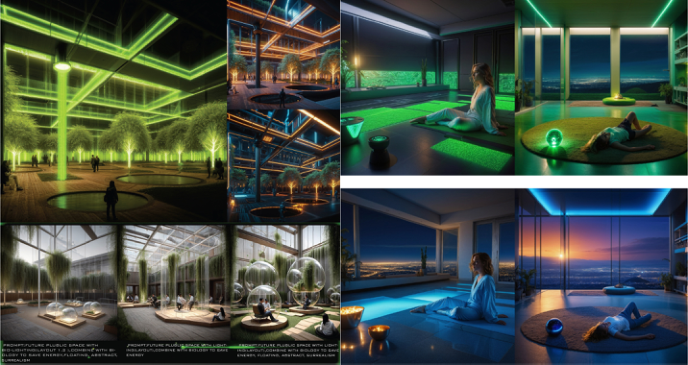
Figure 12: Workshop week of light students AI visualization (PromAI).
CONCLUSION
Today, we are experiencing an unprecedented acceleration in technological advancements. These developments are set to revolutionize educational systems and enhance learning experiences, posing a significant challenge to the conventional teaching methods we have long relied on. It’s essential to embrace this change for a more effective educational future. In the next years will be very common to bespoke academic curricula on generative AI tools and VLE to enhance the education environment. For this reason, it becomes fundamental for educators to experiment and improve their digital competency, to ensure the best possible learning environment for the students. This study underscores the pedagogical role of AI in enhancing educational outcomes by equipping students with practical skills that echo contemporary design paradigms. The comprehensions gained may be applied to structure and guide similar projects and AI visualizations that take advantage of diverse and innovative design thinking strategies. Design schools and universities should promote interdisciplinary collaboration, bringing together designers, AI researchers, industry experts, and students. A responsible experimentation with AI is essential to amplify creative disciplines while preserving human values. Structured frameworks and skilled use of AI tools enable students to achieve consistency, increase productivity, and go through creative and aesthetic exploration. Thus, combining a structured framework with skilled use of AI tools enabled students to achieve a satisfactory level of consistency, increase productivity, and explore more creative and aesthetic aspects.
328 Longo and Albano
Ultimately, the development of effective pedagogical strategies for integrating AI into design education will be fundamental for preparing students for the evolving demands of the profession. In the near future, we can expect more integration between different technology embedded in virtual learning spaces. One example could be the integration of AI and providing point systems, levels, and rewards, using gamification to offer clear incentives for students to actively engage in their learning (Hadian et al., 2024). AI applications and research in architecture have accelerated more efficiently in recent years (Belém et al., 2019) and integrating AI-driven decision- making tools significantly influenced the way students made their decision. Research by Smith & Williams (2020) highlighted the importance of data- driven insights in enhancing the design process and decisions. The dynamic synergy between AI and the realm of architectural design is generating a transformative revolution in landscape of education research (Cudzik et al., 2024). The growing accessibility of these models poses new challenges to architectural education (As et al., 2021), highlighting the crucial role of embracing Al in modern architectural pedagogy and the numerous benefits it offers. It is foreseeable that the use of generative AI tools and VLE will become prevalent in the education curricula in the coming years. Overall, this experimentation has shown that applying AI and virtual education environments has significant potential to enhance student engagement. At the same time, it was a valuable opportunity for students to directly engage with the industry. Through support from sponsors like iGuzzini, IDI, and PromAI, workshops provided students with site visits, lectures, and events, culminating in design contests such as “The Quality That Lights Up.” These initiatives showcased the synergy between academia and industry, emphasizing the importance of bridging these two realms to inspire and empower students. Building on this success, future collaborations, such as the upcoming design contest in November 2024 at Italian Design Icons 2024– Shanghai edition, promise further growth and innovation. These practical approaches and experiences help students envision their possible future professional practice and understand the potential of their ideas in the real world. It is crucial for the University to further develop the relationship with professional practice in order to enhance students learning experiences and professional development, fostering critical thinking, creativity, and adaptability in response to technological advancements within the field. In order to better understand how and what to improve in the next workshops, at the end of each workshop, A brief online questionnaire was given to the to gather their perceptions on the use of AI tools and the SDF. The questionnaire responses demonstrate that all the students’ embraced positively the use of the AI tools during the workshops and the integration of the speculative framework guided and significantly enhanced their workflow to navigate and harness the potential of AI tools to boost their creativity rather than replace it. We can conclude that by using pre-structured frameworks and AI tools, students were able to achieve consistent results, work more efficiently, and explore creative and aesthetic elements.
Bridging Creativity and Technology: Integrating Generative AI 329
REFERENCES
Albano, S., Middleton, D. & Longo, G., 2 Apr 2024, How can physical studio space integrate and support speculative AI design experimentation and visualization workflows? Human Interaction and Emerging Technologies (IHIET-AI 2024): 11th International Conference on Human Interaction & Emerging Technologies: Artificial Intelligence & Future Applications, Centre Hospitalier Universitaire Vaudois (CHUV), Lausanne, Switzerland, April 25–27, 2024. Ahram, T. & Taiar, R. (eds.). AHFE International, Vol. 120. p. 9. doi: 10.54941/ahfe1004582. As, I. and Basu, P. (Eds), The Routledge Companion to Artificial Intelligence in
Architecture. Abington, Oxon;New York: Routledge (2021). Burns, Action research. The Cambridge Guide to Research in Language Teaching and Learning, 2015. Balagtas Phil 2019, Design Is [Speculative] Futures Design Thinking - a new
toolkit for pre-emptive design. https://www.youtube.com/watch?v=UB9UVHGI 6AI Accessed (6 November 2023). Belém, C., Santos, L. M., Leitão, A., “On the Impact of Machine Learning: Architecture without Architects?”, (2019). Bogusevschi, D., Muntean, C. H., & Muntean, G.-M. (2020). Teaching and Learning
Physics using 3D Virtual Learning Environment: A Case Study of Combined Virtual Reality and Virtual Laboratory in Secondary School. Journal of Computers in Mathematics and Science Teaching, 39(1), 5–18. Retrieved from https://www. learntechlib.org/p/210965/. Candy, S. 2018. Gaming futures literacy: The Thing From The Future. In: MILLER, R. (ed.) Transforming the Future: Anticipation in the 21st Century. United Nations Educational, Scientific and Cultural Organisation. Cornwell, S 1999, ‘Interview with Anne Burns and Graham Crookes’, The Language
Teacher, vol. 23, no. 12, pp. 5–10. Cudzik, Jan & Nyka, Lucyna & Jakub, Szczepa´nski. (2024). Artificial intelligence in architectural education - green campus development research. Global Journal of Engineering Education. 26. 20–25. Dunne, A., & Raby, F. 2013. Speculative Everything. MIT Press. Evans, M. &Sommerville, S. 2007. A Design For Life: Futures Thinking in the Design
Curriculum. Futures Research Quarterly, 5–19. Fergnani A, Jackson M. Extracting scenario archetypes: A quantitative text analysis of documents about the future. Futures&Foresight Science. 2019;1: e17. https://doi.org/10.1002/ffo2.17 Hadian, Muhammad & Wihardjo, Edy & Murfidah, Indah & Jannah, Excelsa.
(2024). Analysis of the Impact of Artificial Intelligence and Gamification in Enhancing Student Engagement in Virtual Learning Environments. Hasanuzzaman Miah, 2024, Techno-pedagogical competency: A hybrid teaching method in 21stcentury classroom., Educational Administration: Theory and Practice, 30(1), 1276–1281, doi: 10.53555/kuey.v30i1.6150. Jin S, Tu H, Li J, Fang Y, Qu Z, Xu F, Liu K, Lin Y. Enhancing Architectural Education
through Artificial Intelligence: A Case Study of an AI-Assisted Architectural Programming and Design Course. Buildings. 2024; 14(6):1613. https://doi.org/ 10.3390/buildings14061613 Kolb, D. A. Experiential Learning; Prentice-Hall International: Hoboken, NJ, USA,
1984.
330 Longo and Albano
Longo, G., Middleton, D., Albano, S. (2024). Elaborating a framework that is able to structure and evaluate design workflow and composition of Generative AI visualizations. In: Tareq Ahram and Redha Taiar (eds) Human Interaction and Emerging Technologies (IHIET-AI 2024): Artificial Intelligence and Future Applications. AHFE (2024) International Conference. AHFE Open Access, vol. 0. AHFE International, USA. http://doi.org/10.54941/ahfe1004579 Liao, J., Hansen, P., & Chai, C. 2020. A framework of artificial intelligence
augmented design support. Human–Computer Interaction, 35(5–6), 511–544. https://doi.org/10.1080/07370024.2020.1733576 Parati, I., Zolotova, M. (2024). Using Future Thinking as a steering tool for Generative AI creative output: a case study aiming at rethink lighting in the next future. In: Tareq Ahram and Redha Taiar (eds) Human Interaction and Emerging Technologies (IHIET-AI 2024): Artificial Intelligence and Future Applications. AHFE (2024) International Conference. AHFE Open Access, vol. 0. AHFE International, USA. http://doi.org/10.54941/ahfe1004593 Schon, Donald. 1984. The Reflective Practitioner: How Professionals Think In
Action. Schon, Donald. 1992. Designing as Reflective Conversation with the Materials of a Design Situation, Research in Engineering Design 3, 131–147. https: //doi.org/10.1007/BF01580516. Singh, Mishu. (2023). Emerging Trends and Research in Education Technology.
Chapter: 1 Publisher: ABS Books and Publishers . Smith, J., & Williams, R. (2020). AI-Driven Design Decision-making: Opportunities and Challenges. Design Studies, 75, 102–121. Steven Santer 2019, Drivers, Trends, and Mega-Trends. https://futurehumanbydesig
n.com/2019/10/drivers-trends-and-mega-trends/ Accessed (4 November 2023). Zawacki-Richter, O., Marín, V. I., Bond, M. et al. Systematic review of research on artificial intelligence applications in higher education–where are the educators? Int J Educ Technol High Educ 16, 39 (2019). https://doi.org/10.1186/s41239- 019-0171-0
LISTED IN THE AHFE DIGITAL BOOKSTORE CATALOGUE
Explore the complete digital volume
Intelligent Human Systems Integration (IHSI 2025): Integrating People and Intelligent Systems
Read this individual research paper free through the original publisher, or explore the full digital proceedings book.
ISBN 978-1-964867-36-6
Explore this ISBN in the AHFE Bookstore ↗Listed in the July 2026 bookstore catalogue; search by ISBN to confirm current availability · Digital book purchase optional