Yujie Zhang, Ao Jiang (2022). Immersive virtual interactive environment based on hologram technology for youth art education. In: Human Factors in Virtual Environments and Game Design. AHFE Open Access, vol. 50, pp. 156–164. https://doi.org/10.54941/ahfe1002073
Arts education for young people (mainly aged 16-18) varies greatly geographically due to differences in economic development between regions. The current situation in arts learning is that high schools' teaching models and thinking need to be more exciting and interactive. With the rise of the 'meta-universe', the use of hologram technology and immersive virtual interactive environments such as AR and VR can make up for the current waste of educational resources due to 'egalitarianism' in the arts education sector. This is also a sign of increasing economic investment in education.Based on several years of experience in high school art education, the author has been able to adapt the teaching equipment to the teaching behaviour, through literature research, field studies and experience summaries, to sort out the most basic functions that teaching should have when designing, and to conduct product research based on existing products on the market, to give certain product function deficiencies and aspects that can be improved. The study also provides some insights into hologram technology and immersive virtual interactive environments for art education.
The use of a variety of media in classroom teaching has become the norm to stimulate students’ interest in learning, maintain motivation and pro- mote concept formation and cognitive development. The ‘smart classroom’ is defined as a classroom that is good at introducing, going to life and focu- sing on experience; a classroom that asks questions, actively participates and solves problems; a classroom that deals with the relationship between process and outcome, intuition and abstraction, contextualisation and kno- wledge systematization; a classroom where teachers maximise their teaching mechanisms.
According to the author’s research, (due to the different levels of urban development, only certain representative cities as an example), the popula- rity and proficiency of smart classrooms in first-tier cities, mainly Beijing and Shanghai, are very high, and most schools are equipped with wearable devices for collaborative teaching; while the popularity of smart hardware in these
Immersive Virtual Interactive Environment Based on Hologram Technology 157
second-tier cities, mainly Qingdao and Nanjing, is only “smart blackboard “The prevalence of smart hardware in second-tier cities such as Qingdao and Nanjing is relatively high, but it is difficult to form synergies between devices; while in third and fourth-tier cities such as Jinan, Hohhot, Shijiazhuang and Harbin, it is found that teaching forms and ideas still belong to the traditi- onal teaching sequence, and the prevalence of smart hardware is relatively low(Wu, 2011; Liu, 2017).
Taking the “interactive whiteboard”, the main hardware of the “smart classroom”, as an example, the following three types of problems exist according to actual operation and use:
1. teaching application functions need to be improved; 2. to strengthen the design of interactive teaching applications; 3. to improve the evaluation system of the interactive whiteboard.
Similarly, under the premise of advocating situational and guided teach- ing, the practical needs for hologram technology and the immersive teaching atmosphere rendered by it are different between different disciplines, such as: literature, history, arts and humanities or humanities-oriented courses, which are more abstract in nature than science and technology courses, need to be presented with the support of hologram technology, such as grand Histori- cal scenes, current events, moving classic film sequences and highly skilled painting scrolls. The ‘immersive’ format is ideal for deepening students’ impressions of classical works and historical events, thus enhancing teaching and learning, and providing a positive ‘anchoring effect’ for understanding, remembering and deepening this type of figurative knowledge map.
Based on actual teaching experience and analysis of the strengths and weaknesses of the products, the author further explores the transforma- tion of emerging teaching ideas and gives an outlook on the future teaching atmosphere and teaching models.
SOME FUNDAMENTAL ISSUES OF IMMERSIVE VIRTUAL TEACHING AND LEARNING INTERACTIVE ENVIRONMENT BASED ON HOLOGRAM TECHNOLOGY Safety Issues
Taking a standard-sized classroom of sixty square feet as an example, in the case of rated class size (less than or equal to 50), powered projection equi- pment in the production of a substantial quantity of carbon emissions at the same time. Additionally, it should be considered if the light source will have an impact on the eyesight and hearing of 16–18 age group. While present technological growth is not fully uneven throughout time, there should be a balanced curriculum structure (Lu et al. 2021).
Effects of Light Source Intensity and Colour Temperature Adapted to the Content of the Curriculum First and foremost, light levels have a substantial influence on eyesight, with low light levels having the greatest impact.; secondly, since the majority of
158 Zhang and Jiang
students are under the age of 25, the light intensity must meet the following requirements, assuming that the course is held as regularly as it is: (1) visual perception that is as pleasant as possible, maximising the decrease of tension in participants’ eyes during homework and learning (Jiang et al. 2021). (2) excellent visual effects, with participants, whether in course demonstra- tions or extended periods of homework sound visual effects, so that students are able to complete their teaching or self-study and homework assignments with a minimum level of illumination, regardless of whether they are doing a course presentation or a extended length of work (Yu et al. 2021); (3) basic visual safety, so that students can learn in an immersive way while ensuring their personal safety; for example, based on a precise distance algorithm, the distance to obstacles is calculated in real time, allowing for the avoidance of safety problems such as bumps while preserving the immersive environment to the greatest extent feasible.The light environ- ment has an impact on trainees’ subjective perceptions mostly because it influences their psychological functioning, according to a subjective assessment. Consequently, the holographic projection must guarantee that the light matches the above-mentioned minimal parameters, but it must also ensure that the color temperature varies depending on the sce- nario.Take three typical types of courses in art education as examples: art appreciation courses, art copying courses and art creation courses (Yu et al.2021).
The light source impact of the holographic projection or immersive inte- ractive device is soothing and informal throughout the appreciation course, which is why low illumination (100lx) and a low color temperature (3000K) are the primary emphasis;; and when converting to a copying course, unlike the regular professional art industry practitioners and artists copying or cre- ation courses, the 16–18-year-old youth copying course should be relatively confining outside and sent inside, so the overall atmosphere and In order to meet the needs of immersive learning and contextualised teaching. The copying classroom can alternatively be set up in the form of a holographic projection of “a corner of the Florence Academy of Fine Arts, the cop- ying room of the Central Academy of Fine Arts, the sculpture room of the Academy of Fine Arts in Leben, etc.” (Lu et al. 2021).
Being round on the exterior and square on the inside, soft on the outside and stiff on the inside, loose on the outside but tightly coiled on the inside, are all key characteristics of traditional Chinese art in this context. Despite significant modifications, the main teaching attitude and teaching method in China are based on the “Soviet teaching “model. However, the teaching philosophy of most creative courses still accounts for more than half (but not more than 70%) of the instruction of skill and application. Following this pedagogical theory, the high illumination levels (300–1000 lx) and high colour temperatures (4000–6500 K) produce more extraordinary light, which
Immersive Virtual Interactive Environment Based on Hologram Technology 159
is associated with improved performance in mentally demanding manipula- tive tasks. According to the literature, a colour temperature of 7500 K is recommended for this type of course, especially when the participants have significant mental demands and have to execute brief (short high school art classes of about 45 minutes a session) manipulation tasks (Jiang et al. 2022).
For men and females, holographic projections of tiny scenes of color had a considerable impact on heart rate alterations. Warm colors elicited greater levels of sexual desire in females than did cold colors. Females were more sensitive to red and yellow colors than men were. Both sexes were less enth- ralled by the shades of green, grey, and brown than they were by violet and blue. Wilson proposes, however, that there may be a U-shaped connection between the visible spectrum’s colors, with the colors at either extreme (red and violet) being more stimulating than the colors in the middle (e.g. green). Grays and browns have a lower degree of arousal than dominating colors. It should also be noted that high chromaticity or intense contrast colours can produce significant visual stress, which can lead to negative emotions, since high chromaticity increases brain oxygen levels in the visual cortex of the brain (Jiang et al. 2020).
Summary On this basis, it is obvious that the prerequisites for safety have been sati- sfied. Colors with a “low arousal level, low light, and low color temperature” are utilized in appreciation-based painting lessons to create an immersive holographic projection of the world; “three medium levels” are utilized in the restricted copying courses based on the teaching model. Similarly, in art production lessons, it is desirable to emphasize the “three high levels”.
RESEARCH ON PRODUCTS BASED ON CURRENT NEEDS AND FUTURE PROSPECTS The post-epidemic era has expedited the emergence of the “meta-universe” age, in which even all courses will be offered to the globe through a “cloud”.
Research on Fixed and Wearable Devices These devices serve a variety of purposes, including raising the efficiency of education and teaching, facilitating learners’ conversion, strengthening lear- ners’ immersion impact in a good storytelling context, and ensuring their longevity first and portability second due to the length of the course. On the basis of the aforementioned requirements, the following three categories of current items were chosen and analyzed:
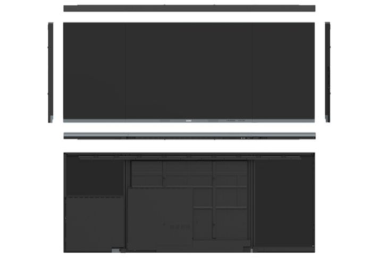
Teacher Side Configuration Taking the current high penetration rate of electronic whiteboards in China as an example, the most prevalent consequence is the “seewo”brand “electronic interactive whiteboard all-in-one machine” (see Figure. 1).
The benefits are that it is reasonably affordable, corresponds to national procurement rules for educational teaching equipment, and the other impa- cts are outstanding based on the execution of the original “blackboard”. Art
160 Zhang and Jiang
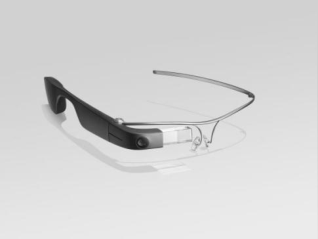
Figure 1: All-in-one interactive whiteboard machine from the “seewo” brand.Figure 2: Glass Enterprise Edition series and security framework with Smith Optics.
classes benefit from the ease with which their hardware may be used insti- nctively and then customized to meet their specific demands.; the downside is that there is little interaction with the student side, the panel quality is medi- ocre, and the primary panel must be drawn and written using a stylus. While other tablets of the same manufacturer are less costly, there is little or no synergy between the tablet and the blackboard, making it pricey for students to use.
Arts and culture courses, especially art and painting courses, place a high value on appreciation and demonstration, which means that the “white (black) board”“ also serve as a monitor, with display and resolution require- ments in the 2K-165HZ and above. This is especially for duplicating courses, where a little less resolution, a little lower colour range, will be lost by a thousand miles.
Research on Immersive Devices at the Learner End After conducting a market research study, it was discovered that the chara- cteristics of the “google glasses” (see Figure 2), which are based on industrial needs, are also extremely suited for teaching programs and certain “highly hands-on” courses. Real-time classes that require a “step by step” approach benefit greatly from this, particularly when holographic projection is used to maximize the efficiency and allows for the student’s individual development.
Immersive Virtual Interactive Environment Based on Hologram Technology 161
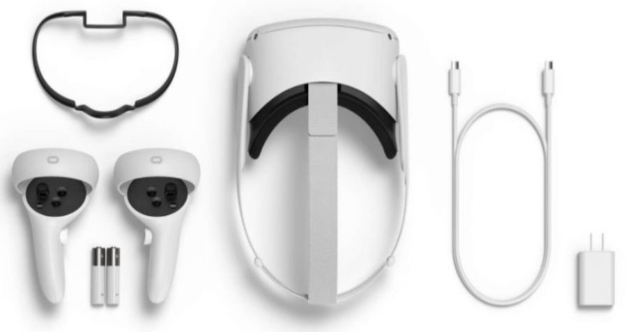
Figure 3: The Meta Quest project team’s “Oculus Quest 2” head mounted VR glasses.
In addition to its benefits, this kind of equipment has a number of major drawbacks, among which is the well-known fact that long-term eyeglass usage distorts eye shapes, even if they are flat lenses, and that long-term wear may have an effect on vision. A second problem is that since it is not “non- aristocratic”, most public institutions are deterred from using it, making a large-scale rollout difficult. Because instructors spend their days either teach- ing or preparing lessons, it is also impracticable to contemplate collaborative work among teachers. The desire for collaboration is the same as with Goo- gle Glass. That which Google Glass was designed for, which was to increase the efficiency and technological level of its users, is not what it is now. Con- sequently, the low battery life is frequently condemned for not enabling a whole day or even a morning class, and the ultra-lightweight material chosen to maintain mobility leads to significant breaking rates. These are some of the factors that have deterred students from high schools and art institutions equally.
In comparison to the AR mixed reality devices supplied by “google glass”, I ‘ve seen VR glasses created specifically for virtual reality in mind and analysed the advantages and disadvantages of their products, as well as the benefits and drawbacks of art instruction for young people in high schools.
The “Quest 2”(see Figure 3) from “meta”is better aligned with the educa- tional objectives and demands of teaching and learning than other VR glasses. “Google glass” has the same drawbacks as using a black or whiteboard for teaching, in that lengthy hours of wear can be more harmful to the eyes than using the device. Direct teaching is not currently possible due to the lack of software development, however software adaption and cooperation issues will be resolved over time as more software is created.
Conclusions of the Study Conclusion: Holographic projection using AR mixed reality portals for com- pleting teaching tasks is significantly more suited for practical courses under the assumption of personality development. It focus on improving teaching efficiency, and solid situational teaching methods as well as story teaching
162 Zhang and Jiang
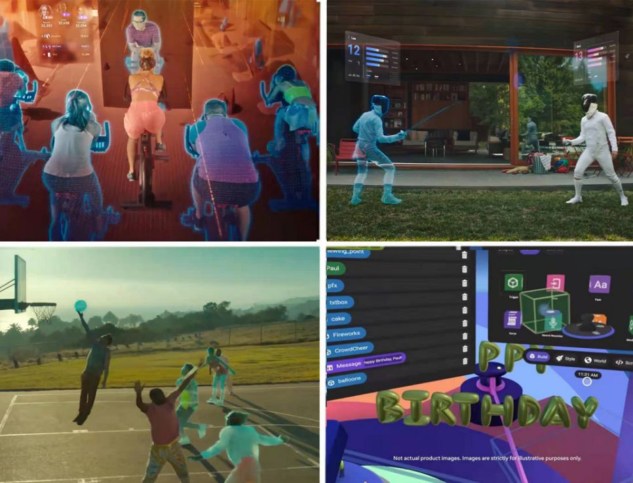
Figure 4: Education concepts based on “metaverse” thinking.
and high narrative teaching; before employing VR and other virtual reality devices, it is possible to finish fundamental theory and artwork appreciation courses in the form of graded configuration, i.e. using white (black) boards.
The synchronisation of the above-mentioned instructional equipment and teaching tasks needs to assure a high density of collaboration between tea- chers and students, the unbreakability of the hardware, and the low price of the product for widespread adoption.
Possibilities for Immersive Virtual Interactive Environments Based on the Aforementioned Technologies and Holographic Devices Students can engage with one another using virtual reality devices (see Figure 4), to complete particular instructional activities, such as realising in- class assignments, out-of-class assignments, individual inventions in class or small collaborative groups projects.
For example, in sculpture courses with a strong demand for hands-on skills, teachers often teach as a class but assign and arrange in-class and post- class assignments in small groups. As a result, students create their models according to the equipment, and each member will then check whether the preset is ideal in the form of easy assembly in augmented reality or virtual reality. When there are teaching demonstrations based on different needs in the classroom, this technology side can be targeted to explain the core difficulties, avoiding the waste of teaching resources to the greatest extent possible.
AR devices based on mixed reality portals during open learning pro- vide peer-to-peer teaching to students, allow them to express their emotions
Immersive Virtual Interactive Environment Based on Hologram Technology 163
and feelings freely, and allow the audience to experience what the stu- dents are thinking, thinking, feeling, and understanding more efficiently and precisely.
CONCLUSION
Implementing immersive virtual interactive environments based on hologram technology in youth art education is entirely necessary. In terms of specific application practices, it is essential first to ensure its safety, and secondly, to arrange such courses in appropriate amounts according to the needs of the curriculum in order to minimise damage to the eyes. At the same time, the implementation of this technology is also conducive to the transition from “egalitarianism” to differentiated and personalised management in domestic education.
Similarly, combined with a series of theoretical knowledge of the intensity of light sources, temperature tendencies and colour tendencies, based on the different responses of human beings to the various indicators of light, dif- ferent configurations of light and colour should be considered and used to respond to different curriculum needs, objectives.
Secondly, the author also researched the more discursive products on the market. Their indicators accordingly, integrated the output of particular views and combined with the current products to make specific prospects for the future “smart classroom” education development model - the future of education development The future model of education development must be multi-terminal, with the student side as the main body, according to the different strengths of students, according to the situation and provide corresponding help. The use of holographic influences and immersive vir- tual interactive environment technologies such as AR and VR will be more conducive to developing this aspect.
ACKNOWLEDGMENT
This is my first formal and conference paper, apart from my graduation thesis. It is something I have wanted to do for a long time, to have the oppor- tunity to translate the experience I have encountered in my work over the past few years into some theoretical knowledge and to continue to pave the way for practice. First of all, I would like to thank Mr. Ao Jiang, who has never given up on me, for his tireless guidance and tolerance, and for gui- ding me and answering my questions in every detail. Secondly, I would like to thank my parents for standing behind me, tolerating my various failures and encouraging me to carry on.
REFERENCES
Jiang, A., Foing, B.H., Schlacht, I.L., Yao, X., Cheung, V. and Rhodes, P.A., 2022.
Colour schemes to reduce stress response in the hygiene area of a space station: a Delphi study. Applied Ergonomics, 98, p.103573. Jiang, A., Yao, X., Hemingray, C. and Westland, S., 2021. Young people’s colour preference and the arousal level of small apartments. Color Research & Application.
164 Zhang and Jiang
Jiang, A., Yao, X., Schlacht, I.L., Musso, G., Tang, T. and Westland, S., 2020, July.
Habitability study on space station colour design. In International Conference on Applied Human Factors and Ergonomics (pp. 507-514). Springer, Cham. Liu, J., (2017). Smart classroom: a new direction for future school classroom development in the era of “Internet+”. China’s computerized education ,7, (pp. 14–19). Lu, S., Jiang, A., Schlacht, I., Foing, B., Westland, S., Hemingray, C., ... Guo, Y.
(2021, July). Effects and challenges of operational lighting illuminance in spa- cecraft on human visual acuity. In International Conference on Applied Human Factors and Ergonomics (pp. 582-588). Springer, Cham. Lu, S., Jiang, A., Schlacht, I., Ono, A., Foing, B., Yao, X., ... and Guo, Y. (2021, July).
The effect on subjective alertness and fatigue of three colour temperatures in the spacecraft crew cabin. In International Conference on Applied Human Factors and Ergonomics (pp. 632–639). Springer, Cham. Wu,X.M., (2011). Research on the application of interactive whiteboard in classroom teaching. China’s e-learning,03, (pp. 1–7). Yu, K., Jiang, A., Wang, J., Zeng, X., Yao, X. and Chen, Y., 2021, July. Construction
of crew visual behaviour mechanism in ship centralized control cabin. In Inter- national Conference on Applied Human Factors and Ergonomics (pp. 503–510). Springer, Cham. Yu, K., Jiang, A., Zeng, X., Wang, J., Yao, X. and Chen, Y., 2021, July. Colour design method of ship centralized control cabin. In International Conference on Applied Human Factors and Ergonomics (pp. 495–502). Springer, Cham.
LISTED IN THE AHFE DIGITAL BOOKSTORE CATALOGUE
Explore the complete digital volume
Human Factors in Virtual Environments and Game Design
Read this individual research paper free through the original publisher, or explore the full digital proceedings book.
ISBN 978-1-958651-26-1
Explore this ISBN in the AHFE Bookstore ↗Listed in the July 2026 bookstore catalogue; search by ISBN to confirm current availability · Digital book purchase optional