With the development of interactive media technology and holographic projection technology, immersive fitness experience has gradually become an innovative direction to enhance users' sports participation and expertise. Compared with traditional running, immersive running involves the perception and interaction of more diverse scenario elements such as environment, characters, and events. This study aims to explore the need for a scenario-based immersive running interaction experience and propose solutions to enhance the user's immersive experience during running. The research first analyzes the scenario theory and summarizes the five scenario elements of the physical environment, physical interaction devices, virtual theme, virtual environment, and interaction events in an immersive running scenario. Then, the study researches the existing immersive fitness products and space cases, collects the above five elements as heuristic cards conducts user interviews, and explores the user's interaction experience design needs in the immersive running scenario through the user's combination and construction process of the heuristic cards of the immersive running scenario elements. Finally, based on the analysis of user interviews, a scenario-based immersive running interaction experience design strategy is obtained. The study improves and enriches the design method and practical guidance of the existing interactive experience in immersive running scenarios, and also provides new ideas and directions for the innovative development of the related fitness industry.
The term “scenario” originates in the field of theater and refers to the action of a task or a picture of life that takes place in a specific time and space (Shen, 2012). Carroll first proposed the idea of scenario-based design, emphasizing the shift of the focus of design work from defining the operation of the system to describing who will use the system to complete their tasks, and more from the user’s perspective to think about the behavioral process of interaction between people and scenarios (Gok and Carroll, 2000). Scenario-based design is a user-centered design method. By constructing
and analyzing scenarios, designers can deeply understand users’ behavioral characteristics and needs (Carroll, 2002). The application of interactive media technology and holographic projection technology in the field of fitness provides users with an immersive fitness experience, such as immersive virtual scenario simulation, interesting game interaction, and cool audio- visual effects, making the fitness process more rich and personalized (Nilsson and Serafin, 2016; Calogiuri et al., 2018; Martin et al., 2019). However, some immersive fitness products or spaces focus too much on technology, pursuing special effects and sensory bombardment, neglecting the importance of scenario-building and interactive experience. Immersive fitness spaces include the perception and interaction of diverse environments, characters, events, and other scenario elements. From a system perspective, the perspective of scenario theory can deeply explore the user’s interactive experience design needs for immersive running and propose problem solutions, which is also a part that has not been fully explored in existing research.
In the immersive fitness scenario, the ultimate goal of the user is to achieve a “flow experience”. Flow experience refers to the psychological state in which people are fully immersed in the work they do or the activities they participate in, forgetting the environment and the passage of time (Csikszentmihalyi, 1975). Mihaly believes that when a person enters the “flow” state, “a person works hard for a difficult task, exerts both physical and intellectual strength to the extreme, and obtains the most pleasant moment” (Mihaly, 2020). The immersive experience not only enhances the user’s willingness to continue using but also significantly improves the user’s fitness efficiency. Therefore, it is of great significance to conduct in- depth research on how to improve the interactive experience of immersive running through scenario-based, to bring users a more satisfactory immersive experience.
EXPERIMENT DESIGN Elements of a Scenario
There is no standard definition for the elements of a scenario. Carroll applies the concept of “scenario” to analyze and explain the most likely situation when a user uses an application. In simple terms, at a certain time (when), in a certain place (where), when something happens (what), a certain type of user (who) has a certain desire (desire). Given this situation that may lead to market behavior, designers try to satisfy it through some means (Carroll, 2000). Saker (2020) believes that the “immersive running scenario” based on interactive media technology extends the boundary to the virtual field, forming a space where the virtual and the real coexist. Sun (2021) believes that the immersive scenario design of digital media art includes four major elements: theme, time and space, technology, and subject. Therefore, the elements of the immersive running scenario can be summarized as a physical scenario and a virtual scenario. The physical scenario includes the physical environment and physical interactive equipment. The physical environment refers to the actual space that constitutes the immersive running, providing users with a real basic space that can interact with the virtual
Scenario-Based Design Strategies for Immersive Running Interaction Experiences 41
scenario. Physical interactive devices refer to hardware devices that support the interaction between users and virtual scenarios in immersive running scenarios. Virtual scenarios include virtual themes, virtual environments, and interactive events. The two elements of the virtual environment and interactive events are included under the virtual theme. Virtual theme refers to the core concept or story background of the virtual scenario. The virtual environment is the virtual space where users immerse themselves in running, presenting the visual style and auditory experience of the virtual scenario. Interactive events refer to virtual events triggered by interactive behaviors performed by users or characters such as animals and coaches in the virtual environment during exercise.
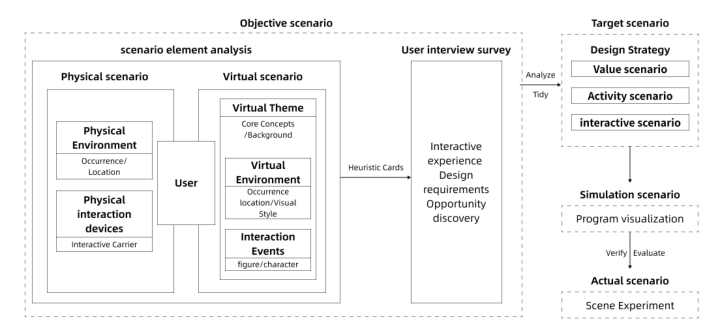
Scenario-Based Design Process The approach to scenario-based design is divided into four stages: objective scenario, target scenario, simulation scenario, and actual scenario (Wang, et al., 2017). The objective scenario connects the elements of the scenario by researching the users and the environment to uncover effective requirements. The target scenario builds a design orientation to meet business goals and user needs and is divided into three levels: value scenario, activity scenario, and interaction scenario (Yanagida et al., 2009). The value scenario determines the product value positioning. The activity scenario focuses on user behavior flow, emotional changes, and potential needs, and identifies design opportunities; the interaction scenario reflects the design details of information architecture and operation paths. A simulation scenario is a visual design plan for interface prototypes. The actual scenario puts the plan into a real environment for user testing and evaluation (see Figure 1).
Figure 1: Scenario-based design process.
This paper follows the principle of typicality and theoretical sampling of case selection (Zhou, 2021), selects 30 immersive sports apps, products, and creative space cases as research objects, and deeply refines the five elements of the immersive running scenario summarized above. These scenario elements
are used as heuristic cards, allowing users to combine immersive scenario elements and construct heuristic objective scenarios (Wang, 2021). Semi- structured interviews and voice thinking methods are used to explore users’ interactive experience needs in immersive running scenarios through the process of users combining heuristic cards of immersive running scenario elements, which helps to output immersive running interactive experience design strategies in the future.
Elements of a Scenario
Table 1: Elements of an immersive running scenario.
Data reporting, adjustment plans, social sharing, virtual rewards, level improvement, social interaction, encouraging feedback
Experimental Procedures The target users of this study tend to drive themselves to run for recreational fun, and these users look for fun and variety in running (Harth et al., 2018). We recruited 10 recreational fun users who were physically fit and had some experience with treadmills as participants, each of whom performed at least 3 hours of physical activity per week. The participants consisted of 5 males and 5 females, aged between 24–34 years old.
Since the physical environment and physical interactive devices are relatively fixed, while the virtual environment and interactive events under the virtual theme can change with the user’s needs, the user is first allowed to
Scenario-Based Design Strategies for Immersive Running Interaction Experiences 43
select the physical environment and physical interactive devices, then select the virtual theme, and finally select the virtual environment and interactive events under the virtual theme.
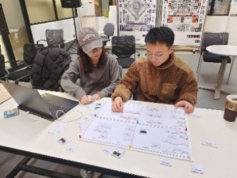
Figure 2: Experiment record.Table 2: Process of experiment.
Table available in the original PDF paper.
Outline Module
Setting Purpose Experimental Procedures & Interview Questions Basic Information / 1. Please tell us your age, name and occupation. Substitution of daily running scenarios.
1. Allow users to describe their immersive running habits and needs, and put their thinking into their daily running scenarios.
1. How often do you run? How long have you been running? What are your running goals? What are your preferred running locations and times? What equipment do you use? Who do you run with? 2. From preparing to running to running, and finally finishing the run, was it an immersive experience? What measures did you take to make the running process more immersive? Are there times when you are not immersed in running? Demand Co-creation
1. Allow users to co-create immersive running scenarios and inspire users to explore immersive running scenarios and demand preferences.
1. Heuristic cards that guide users to browse and understand the five aspects of the scenario, including: physical environment, physical interactive devices, virtual themes, virtual environment, and interactive events. 2. Guide users to select heuristic cards of five factors (at least one card of each factor, with no limit on the number), and combine them into a new scenario that they think can bring an immersive running experience, and explain the reasons.
DATA ANALYSIS Explore the user’s preference and demand for the five scene elements: physical environment, physical interaction device, virtual theme, virtual environment, and interaction event, and through the user’s analysis of the combination
of elements, translate them into the design requirements for the interaction experience in the immersive running scene, and sort out the priority of the design requirements based on the frequency and weight of the requirements in the interviews.
Physical Scenario Preferences and Needs
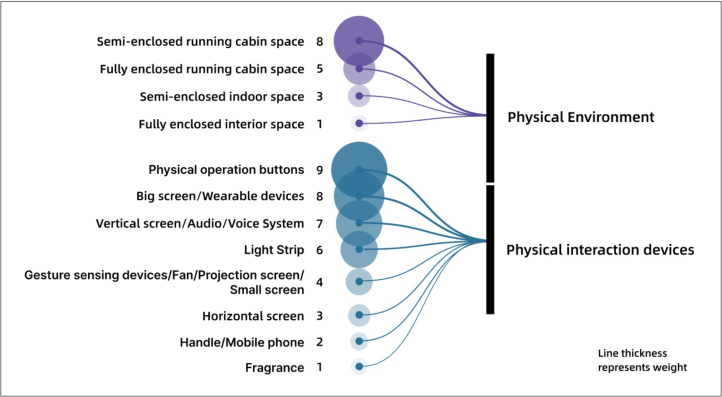
Figure 3: Preference statistics for physical environment and physical interaction devices.
Physical Environment In the physical environment, the preference order for physical space is: semi-enclosed treadmill space (8), and fully enclosed indoor space (5), semi- enclosed indoor space (3), fully enclosed indoor space (1). Users want to shield themselves from outside distractions and create quiet, private, and visually enveloping spaces while maintaining ventilation and a sense of openness to avoid the oppression that comes with over-enclosure.
Physical Interaction Devices The order of preference for physical interactive devices is: physical operation buttons (9), large screen & wearable devices (8), voice control system & vertical screen & speakers (7), light strip (6), small screen & projection screen & fan & gesture sensing device (4), horizontal screen (3), mobile phone control & handle control (2), and fragrance (1).
When it comes to physical interactive devices, users believe that safety and controllability are top priorities, so they choose physical operation buttons, wearable devices, and voice control systems; they also believe that in an immersive running scenario, the virtual environment needs to cover the visual range as much as possible and focus on the field of vision, so they choose
Scenario-Based Design Strategies for Immersive Running Interaction Experiences 45
large screens and vertical screens; finally, users believe that the multi-sensory atmosphere created by visual lights and music synchronized with the running rhythm, breathing, or virtual scenarios also contributes to immersion.
Virtual Scenario Themes and Their Scenario Element Preferences and Requirements
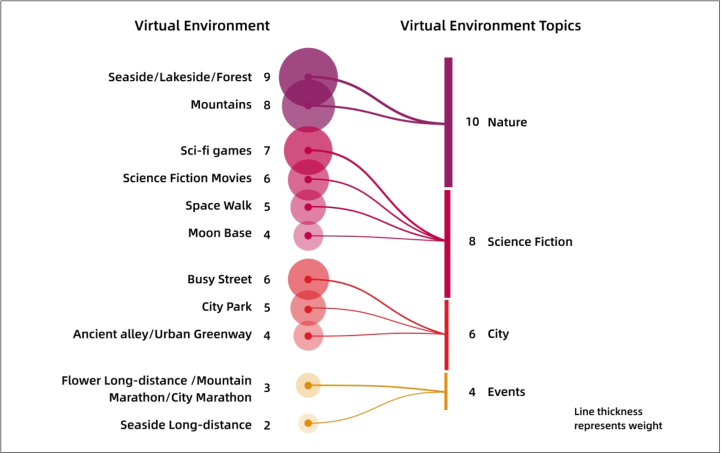
Figure 4: Preference statistics of virtual themes and virtual environment.
Virtual Theme Preferences and Needs According to the number and ranking of virtual themes selected by users, the order of preference for virtual themes is obtained as follows: natural themes (10), science fiction themes (8), urban themes (6), and event themes (4). The following are the specific needs of users for virtual scenario themes:
Users felt the need to set up different narrative mechanisms based on their perceived experience of the virtual theme and to set up diverse narrative mechanisms to meet individualized needs or the diversity of the same user’s needs on different dates. According to the interview statistics, users preferred relaxing and enjoying the scenery in the nature theme, pursuing novelty, fun, and challenge in the science fiction theme, exploring and participating in activities in the city theme, and experiencing competition and socializing in the event theme.
Virtual Environment Preferences and Requirements Under Each Virtual Theme The order of preference for virtual environments with natural scenario themes is: lakeside & forest & seaside (9), mountains and rivers (8). The
order of preference for virtual environments with science fiction themes is: science fiction games (7), science fiction movies (6), spacewalks (5), and moon bases (4). The order of preference for virtual environments with urban scenario themes is: ancient alleys (6), urban parks (5), busy streets & urban greenways (4). The order of preference for virtual environments with event themes is: city marathons & flower-viewing long-distance running festivals & mountain marathons (3), and seaside long-distance running festivals (2).
Users have different needs for the audio-visual experience of virtual environments under each virtual theme scene: the nature theme needs to have both a sense of beauty, pleasure, relaxation, and shock; the science fiction theme needs to emphasize freshness, science fiction, and futuristic sense while maintaining openness and comfort; the city theme needs to reflect the cultural ambiance and freshness; and the tournament theme needs to create a sense of pleasure, fun, and tournament lively atmosphere. In addition, all virtual environments should focus on visual clarity, road guidance, and reasonable perspective.
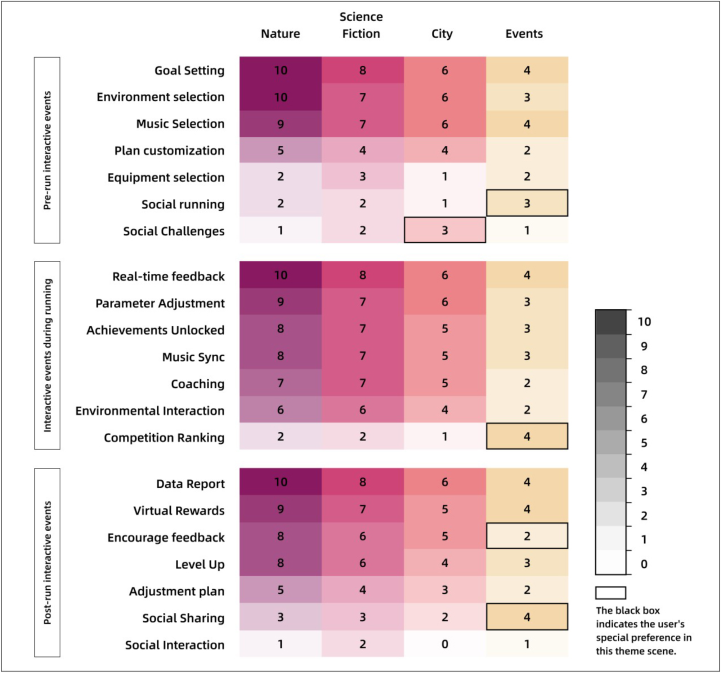
Pre-Run Interactive Events In the nature theme, the preferences for pre-run interactive events are: goal setting & location selection (10), and music selection (9). In the science fiction theme, the preferences are: location selection (8), goal setting & music selection (7). In the city theme science fiction theme, the preferences are: goal setting & location selection & music selection (6). In the event theme science fiction theme, the preferences are: goal setting & music selection (4), location selection & social running (3).
The difference lies in the choice of location. In the nature theme, users want to choose the running location they are interested in, in the sci-fi theme, they tend to prefer locations with story plots or challenging tasks, in the city theme, they choose locations with cultural backgrounds and exploratory tasks, and in the race theme, they want to choose marathon locations and themes they are interested in to enhance the willingness to run. In addition, users would like to participate with their friends in the race theme for a social experience and motivation.
Interactive Events During Running In the nature theme, the preferred interactive events during running are: real-time feedback (10), parameter adjustment (9), music synchronization & achievement unlocking (8), coach guidance (7), and environmental interaction (6). In the science fiction theme, they are: real-time feedback (8), parameter adjustment & music synchronization & achievement unlocking & coach guidance (7), and environmental interaction (6). In the city theme, they are: real-time feedback & parameter adjustment (6), music synchronization & achievement unlocking & coach guidance (5), and environmental interaction (4). In the competition theme, they are: real- time feedback & competition ranking (4), parameter adjustment & music synchronization & achievement unlocking (3).
Scenario-Based Design Strategies for Immersive Running Interaction Experiences 47
In running, users jointly hope that they need to run to a certain mileage or time, the AI coaching assistant to give voice and visual real-time feedback on the achievement of the data target, or to give the visual celebration screen and sound effects of the achievement unlocking, to enhance the sense of achievement in running; secondly, they hope to conveniently carry out the operation of adjusting the parameters of the speed, slope, etc., and the system can also adaptively adjust the parameters according to the wearable equipment or the user’s running posture monitoring; In addition, it is necessary to play the user’s usual favorite music or the system’s automatic soundtrack, and the music needs to be synchronized with the rhythm and breathing.
Figure 5: Preference statistics of interactive events before running, during running, and after running.
In terms of environmental interaction, the user needs to vary in differently themed scenarios: in the nature theme, users expect randomly appearing animal elements to alleviate the boringness of running; in the sci-fi theme, users tend to interact with virtual creatures through gestures or accept simple one-way interactions with NPCs; in the city theme, users want to
appear with cultural activities and exploration tasks, integrate into the local festival atmosphere and enhance the immersion sense through the collection of cultural items; in the race theme, users want to appear with cultural activities and exploration tasks, integrate into the local festival atmosphere and enhance the immersion sense by collecting cultural items to enhance immersion; the tournament theme focuses more on competitions and social interactions, where users want to check the competition rankings with friends and community partners without the need for environmental interactions.
Post-Run Interactive Events In the natural theme, the preferences for post-running interactive events are: data reports (10), virtual rewards (9), and encouragement and feedback (8). In the science fiction theme, they are: data reports (8), virtual rewards (7), and encouragement and feedback (6). In the urban theme, they are: data report (6), virtual rewards & encouragement, and feedback (5). In the event theme, they are: data reports & virtual rewards (4), and social sharing (3).
After running, users jointly need to give data reports showing the average speed, calories burned, and other data during the run; they also want to receive rewards such as location medals and unlocking new locations, as well as visual or audible encouraging feedback and leveling up to enhance the sense of accomplishment.
The difference is that in the race-themed scenario, users also want to share and communicate with their friends through dialog boxes or voice in social software or running pods.
DISCUSSION
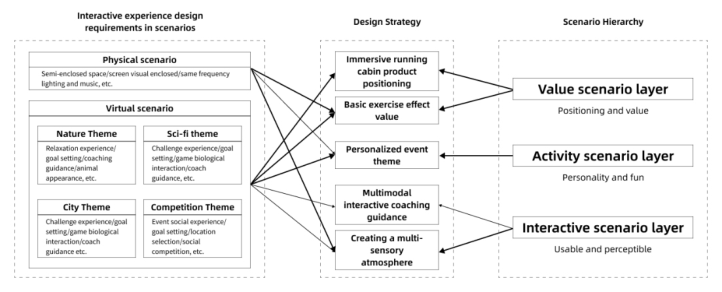
Analyze and organize the design requirements obtained from user interviews and surveys in the early stage, and propose interaction experience design strategies for immersive running scenarios at three scenario levels: value scenario layer, activity scenario layer, and interaction scenario layer (see Figure 5).
Figure 6: Interactive experience design strategy in immersive running scenarios.
Scenario-Based Design Strategies for Immersive Running Interaction Experiences 49
Value Scenario Layer Design Strategy Building a New Immersive Running Pod Product Format Based on the analysis of user interviews, the design concept of “fun-based health”is proposed to build an immersive running pod product that combines fun and technology. Its physical form is a single semi-closed chamber, combining interactive media and multi-sensory technology to provide a focused and immersive exercise experience. The product is suitable for future gyms, providing users with scientific and enjoyable healthy exercise options.
Provide Basic Exercise Health Value to Users The core goal of the immersive running pod is to help users realize the effect of exercise and physical exercise. The interactive interface needs to support functions such as goal setting, real-time feedback, parameter adjustment, and data reporting to meet users’ needs for setting goals before exercise, balancing challenges and abilities during exercise, and improving perception after exercise. At the same time, it is equipped with physical buttons to quickly adjust the speed, incline, switch, pause, and other operations, and an integrated emergency stop function to ensure exercise safety.
Activity Scenario Layer Design Strategy Design Personalized Event Themes The immersive running scene provides four themes: nature, sci-fi, city, and race to meet the diversified needs of users. Each theme contains a unique narrative mechanism and interesting features. As for the narrative mechanism, in the nature theme, users can enjoy running and scenery in forests, lakes, and other beautiful landscapes; animal elements appear randomly during running, adding surprises. In the sci-fi theme, users can enter the futuristic virtual world and complete gamified challenge tasks to enhance the sense of participation. In the city theme, with historical and cultural cities as the background, users can participate in cultural exploration tasks or festivals to feel the charm of the city. In the race theme, users can select race scenarios and focus on the competitive experience, supporting real-time race ranking and social sharing. In terms of fun features, before running, the system presents a story background and pictures according to the theme to help users integrate into the scene; after running, it generates personalized data reports: the nature theme provides basic data, the sci-fi and city themes show the score of task completion, and the race theme includes race ranking. In addition, all themes share the achievement unlocking and virtual reward system, which enhances the sense of participation and fun, and meets personalized needs.
Interaction Scenario Layer Design Strategy Creating a Multi-Sensory Atmosphere In the immersive running scene, it is necessary to meet the user’s needs for both visual and auditory sensory experience. Visually, the space needs to be both wrapped and open, the virtual environment should be clear, the road
needs to have directional guidance, angle reasonableness, and visual field concentration, and can be synchronized with the running rhythm, respiration, or the visual lighting of the scene. The Auditory provides music selection before running, plays the user’s favorite music, ambient sound, or system soundtrack during running, and synchronizes with the rhythm, breathing, or scene.
Multimodal Interactive Coaching Guidance In the process of running, users not only need physical exercise but also need professional guidance and psychological encouragement. Therefore, the coaching function of multi-modal interaction and personalized experience is set up. In terms of voice guidance, it provides AI voice coaches with real human voices and friendly and natural tones, dynamically adjusts the guidance rhythm and intensity according to the running status, and provides encouragement when the goal is reached or advice and support when the status is not good. In terms of visual feedback, through dynamic icons, text prompts, or the image of an AI virtual coach, a synchronized display of heart rate, speed, and other data and corrective action suggestions to ensure that the information is conveyed intuitively.
CONCLUSION
Based on the design thinking method of scenario theory, this paper transforms the research on the interactive experience design of immersive running products into the research on the requirements of immersive running scene elements and then returns to the product interactive experience design to implement the plan. Through the heuristic card method and scenario-based design process, the design strategy of the immersive running interactive experience is output around the three scenario levels of the target scenario, providing new methodological support and strategic reference for immersive fitness products. The limitation is that due to limited time, the design process of simulation scenarios and actual scenarios was not carried out, and these design processes will be carried out in the future.
REFERENCES
Calogiuri, G., Litleskare, S., Fagerheim, K. A., et al. (2018). Experiencing nature through immersive virtual environments: Environmental perceptions, physical engagement, and affective responses during a simulated nature walk. Frontiers in Psychology, 8, 2321. Carroll, J. M. (2000). Five reasons for scenario-based design. In Proceedings of the
Conference (pp. 43–60). Csikszentmihalyi, M. (1975). Beyond boredom and anxiety: Experiencing flow in work and play. San Francisco: Jossey-Bass. Csikszentmihalyi, M. (1975). Play and intrinsic rewards. Journal of Humanistic
Psychology, 15(3), 41–63. Csikszentmihalyi, M. (2020). Flow: The Psychology of Optimal Experience. Translated by D. Q. Zhang. Beijing: CITIC Press, pp. 66–68. Gok, C., Carroll, J. M., & Mimamiya, A. (2000). Surveying scenario-based approaches in system design. IPSJ SIGNotes, 43–48.
Scenario-Based Design Strategies for Immersive Running Interaction Experiences 51
Harth, J., Hofmann, A., Karst, M., et al. (2018). Different types of users, different types of immersion: A user study of interaction design and immersion in consumer virtual reality. IEEE Consumer Electronics Magazine, 7(4), 36–43. Martin-Niedecken, A. L., Rogers, K., Turmo Vidal, L., et al. (2019). Exercube vs.
personal trainer: Evaluating a holistic, immersive, and adaptive fitness game setup. In Proceedings of the 2019 CHI Conference on Human Factors in Computing Systems (pp. 1–15). Glasgow, UK: ACM. Nilsson, N. C., Nordahl, R. & Serafin, S. (2016). Immersion revisited: A review of existing definitions of immersion and their relation to different theories of presence. Human Technology, 12(2), 108–134. Saker, M., & Frith, J. (2020). Coextensive space: Virtual reality and the developing
relationship between the body, the digital and physical space. Media, Culture & Society, 42(7–8), 1427–1442. Shen, Y. (2012). Film and Television Creation. Hangzhou: Zhejiang University Press. Sun, Y. J. (2021). Research on Immersive Scenario Design in Digital Media Art (Doctoral dissertation). China Academy of Art. doi: 10.27653/d.cnki.gzysy.2021. 000013. Wang, Q. (2021). Research on Service Design Concept Derivation Tools and Methods
Based on Design Heuristics (Doctoral dissertation). Hunan University. Wang, Y. M., Hu, W. F., Tang, J., & Li, S. G. (2017). Product interaction design in scenario theory. Packaging Engineering, 38(06), 76–80. Yanagida, K., Ueda, Y., Go, K., et al. (2009). Structured scenario-based design
method. In Proceedings of the International Conference on Human Centered Design (pp. 374–380). Berlin, Heidelberg: Springer. Zhou, X. H., & Zhu, X. L. (2021). Doing trustworthy qualitative research: A review of the China Enterprise Management Case and Qualitative Research Forum (2020). Management World, 37(3), 217–225.
LISTED IN THE AHFE DIGITAL BOOKSTORE CATALOGUE
Explore the complete digital volume
Usability and User Experience
Read this individual research paper free through the original publisher, or explore the full digital proceedings book.
ISBN 978-1-964867-70-0
Explore this ISBN in the AHFE Bookstore ↗Listed in the July 2026 bookstore catalogue; search by ISBN to confirm current availability · Digital book purchase optional