Abner Flores, Alexander Paselk, Teresa Irish (2025). The Impact of Cultural Background on Perception and Understanding in Learning: A Neuroscientific and Psychological Perspective. In: Human Error, Reliability, Resilience, and Performance. AHFE Open Access, vol. 173, pp. 61–77. https://doi.org/10.54941/ahfe1006282
This paper explores the impact of cultural background on an individual's perception and understanding in the context of learning and training, through a neuroscientific and psychological lens. The aim is to synthesize key insights from interdisciplinary research, focusing on the connections between neuroscience, psychology, education, and culture. By reviewing a wide range of peer-reviewed studies, the paper examines how culture influences cognition, emotion, and morality. It also highlights the persistence of neuromyths among educators, particularly in Spanish-speaking countries and Latin America, and discusses their implications for pedagogical practices (Lithander et al., 2024; Gleichgerrcht et al., 2015). The paper examines neurobiological perspectives on cognition, emotion, and moral reasoning (Cohen, 2005; Shenhav et al., 2017), offering a deeper understanding of how cultural contexts shape emotional and moral behavior. Additionally, the review explores neuroscientific research on the neural mechanisms underlying social learning, memory, and hierarchy-related interactions, contributing to the understanding of the social dimensions of neuroscience (Pan et al., 2022). The role of creativity, brain plasticity, and physical activity in aging populations is also examined (Frith et al., 2022). Cognitive mechanisms, including rhythm perception (Grahn, 2012), intertemporal decision-making (Shenhav et al., 2017), and language development (Sussman et al., 2023), are analyzed from a neuroscientific perspective, providing insight into how the brain processes complex cognitive tasks. Furthermore, the paper discusses emerging research linking neuroscience with cultural anthropology (Sarto-Jackson et al., 2017), emphasizing the bidirectional influences between biology, environment, and behavior. By exploring how neuroscience informs transcultural psychiatry, social learning, and moral decision-making, the paper highlights the feedback loop between culture, behavior, and mental health (Choudhary & Kirmayer, 2009). In conclusion, this review emphasizes the need for interdisciplinary approaches to better understand the brain, cognition, and behavior, and calls for further integration of neuroscientific, psychological, and cultural perspectives to advance our knowledge of human development, learning, and societal functioning.
Understanding the role of cultural background in shaping cognition and learning processes has garnered increasing attention in educational and psychological research. Gutchess and Rajaram (2023) note that by “adopting an inclusive approach where diverse cultures are represented in research is of prime importance for cognitive psychology” (Gutchess & Rajaram, 2023). Culture not only influences how knowledge is perceived and processed but also affects emotional responses and moral reasoning (Bentahila et al., 2021). This paper aims to explore the impact of cultural background on individual perception and understanding within the learning and training contexts, utilizing insights from neuroscience and psychology. Tchombe (2023) argues that for humans, specifically in children, activities always involve “social, psychological, and physical implications for cognitive enrichment.” Those activities, “are driven by resilient cultural practices informed by cultural norms, beliefs, and values such as responsible leadership qualities and cultivating socio-emotional and moral balance” (Tchombe, 2023). As education systems worldwide become more interconnected, it is crucial to understand how cultural factors contribute to cognitive styles, emotional experiences, and moral frameworks. This interdisciplinary exploration will examine various aspects, including the persistence of neuromyths among educators, particularly in Spanish-speaking countries and Latin America, and their implications for pedagogical practices. Ferrero et al. (2016) comment on the evidence provided through current literature and research regarding “the increasing popularity of pseudoscientific practices in schools worldwide”. Ferrero et al. (2016) suggest that the development of “a set of interventions to address misconceptions about the brain and education” is required.
LITERATURE REVIEW
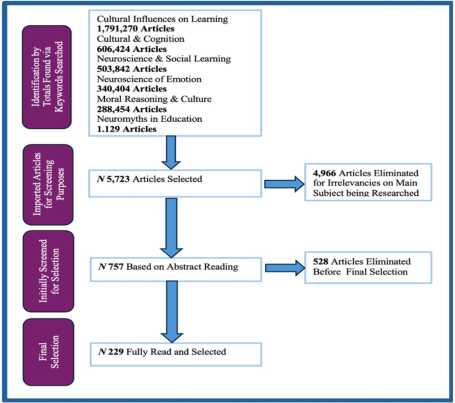
This review seeks to provide a comprehensive overview on the associated impact of cultural background on perception and understanding in learning. This is done through short reference and description of 41 selected peer- reviewed articles out of 229 articles reviewed from the current literature (2000–2024). This scoping review covers a range of topics explored though these articles and organized under two major sections, the interplay of culture and cognition and neurological foundations.
The Interplay of Culture and Cognition Cognition is a complex interplay of neural processes that are profoundly influenced by cultural contexts. Different cultures have distinct ways of understanding the world, shaped by historical, social, and environmental factors. For instance, collectivist cultures emphasize community and relationships, leading to cognitive styles that prioritize social harmony and group cohesion (Varnum et al., 2010). In contrast, individualistic cultures focus on personal autonomy and self-expression, fostering analytical thinking and problem-solving approaches (Hofstede, 2001).
The Impact of Cultural Background on Perception and Understanding in Learning 63
Neurological Foundations Neuroscientific research has shown that cultural experiences can shape brain structure and function (Park & Huang, 2010). Studies utilizing functional MRI (fMRI) have demonstrated that individuals from different cultural backgrounds exhibit varied activation patterns in areas of the brain associated with social cognition, emotion regulation, and moral reasoning (Zhou et al., 2007). These differences highlight the importance of considering cultural factors when examining cognitive processes. Immordino-Yang and Yang (2017) argue that cultural meaning-making shapes the biological correlates of emotional feelings because it involves recognizing the significance of habitual patterns of mental and bodily engagement with other people and their actions, creations and ideas.
RESEARCH METHODOLOGY Qualitative Methodology Overview
This paper adopts a qualitative research methodology, employing a narrative review approach to synthesize existing research on the intersection of cultural background and cognitive processes. The review method is appropriate given the interdisciplinary nature of the topic and the need to explore diverse perspectives from neuroscience, psychology, and education. Through this approach, we aim to critically analyze the existing literature and identify key themes, challenges, and opportunities in understanding how culture influences learning and cognition.
DATA COLLECTION AND SEARCH STRATEGY Databases and Sources
The review draws from a broad range of peer-reviewed academic sources, including journals, books, and other scholarly articles. Key databases (186) such as Scopus, ScienceDirect, PsycARTICLES, Google Scholar, JSTOR, PubMed, CogNet (MIT) and PsycINFO were searched for relevant studies from 2000 to 2024.
Table 1: Databases researched by field.
Table available in the original PDF paper.
Field Number of Databases Researched Medical & Health Sciences 35 Education 15 General Research 20 Life Sciences 51 Philosophy & Religious Studies 2 Social Sciences 61 World Languages & Cultures 2
Keywords and Search Terms Relevant keywords such as “culture and cognition,” “neuroscience of emotion,” “neuromyths in education,” “moral reasoning and culture,”
“neuroscience and social learning,” and “cultural influences on learning” guided the search process.
Inclusion and Exclusion Criteria Inclusion: Only peer-reviewed studies and research articles from reputable journals published between 1970–2025 are included. Studies focusing on the neurological and psychological impacts of cultural background on learning processes were prioritized.
Exclusion: Non-peer-reviewed articles, books without empirical data, and studies outside the specified time frame are excluded.
Data Extraction Process The data extraction process involved reading through the selected articles and synthesizing the findings into key themes related to the influence of cultural background on cognitive processes, emotional regulation, and moral reasoning.
Eligibility Criteria and Scope This scoping review followed the framework of PRISMA-ScR published by Tricco et al. (2019) to be used as a guide and also made use of the team method to develop the core concepts on extracting data for the review published by Tricco et al. (2016). This scoping review was not pre-registered with its protocol. This scoping review has considered the impact of cultural background perception and understanding in learning from a neuroscientific and psychological perspective.
Figure 1: PRISM SrC flowchart.
The Impact of Cultural Background on Perception and Understanding in Learning 65
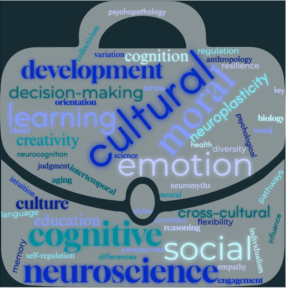
Figure 2: Rendering of “Word Cloud” as per subject and summary of keywords researched.
SCOPING REVIEW ARTICLES–SUMMARY REVIEW FINDINGS Cultural Background and Cognition
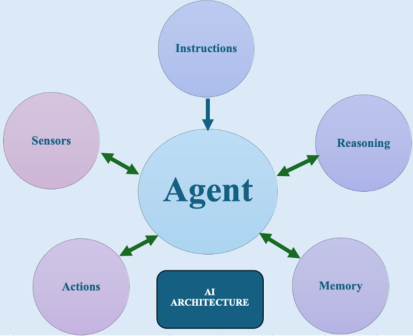
The literature highlights how cultural factors influence cognitive styles. Conversely, individualistic cultures foster independence and personal achievement, leading to cognitive processes that focus more on categorization, analytical thinking, and problem-solving (Hofstede, 2001). Flores et al. (2017) for instance, present some evidence on the role of ethnicity and language backgrounds while assessing the influence of Hispanic ethnicity and language/cultural background on performance on the NIH Toolbox Cognition Battery (NIHTB-CB) (Flores et al., 2017). The results showed that Spanish-speaking Hispanics performed worse than English-speaking Hispanics and NH whites on demographically unadjusted NIHTB-CB Fluid Composite scores (ps <.01)” (Flores et al., 2017). Flores et al. (2017) conclude that on tests of Fluid cognition, the Hispanic Spanish group performed the poorest of all groups. Socio-demographic and linguistic factors were associated with those differences. Furthermore, these findings highlight the importance of considering language/cultural backgrounds when interpreting neuropsychological test performances (Flores et al., 2017). Importantly, after applying previously published NIHTB-CB norms with demographic corrections, these language/ethnic group differences are eliminated. In general, the literature shows that cultures that prioritize collectivism tend to emphasize social harmony, fostering cognitive styles that value interdependence and context-specific thinking (Flores et al., 2017). Theories of human cognition often focus on either biological or cultural roots. Tomasello (1999) highlights the importance of both aspects, arguing that biology provides the foundation for the cultural and developmental processes that shape human cognition. Gutchess (2006) notes that data is suggestive of how culture and age can interact to influence cognition. Dautenhahn (2000) in her Book entitled “Human Cognition and Social Agent technology” expresses how important is the role of subjectivity and the importance of the social and cultural background even for designers and
users of agent technology in artificial intelligence architectures (see Figure 3) (Dautenhahn, 2020).
Figure 3: Agent technology architecture in artificial intelligence.
In studies performed into the possibility of bilingual individuals presenting higher cognitive performance characteristics when compared to monolingual individuals, Samuel et al. (2018) argue that in their study what was found was that it is the associated cultural effects which may add any kind of advantage to the bilingual individuals, and not their bilingual status. According to Callaghan et al. (2011) argue that children first learn the basic rudiments of emotion and self/other distinction, and then, they start to acquire social cognitive skills which are impacted strongly by culture. Koelkebeck (2017) adds that normal development in social cognition is based on culture-dependent strategies in education, language use and behavior. Although some social cognitive processes are understood to be universal, there are certain cultural variations present that can be traced into adulthood Koelkebeck, 2017). Furthermore, biological reaction patterns, such as eye movement in reaction to social stimuli, suggest that cultural variations may impact on cerebral functioning from an early age (Koelkebeck, 2017). In the context of cultural intelligence, specifically in management decision-making processes, Metacognition is referred to as the ability to think about one’s own thinking, involving the monitoring and adjustment of thoughts and strategies while learning new skills (Triandis, 2006). Cultural metacognition specifically pertains to an individual’s conscious cultural awareness and executive processing during cross-cultural interactions (Ang & Van Dyne, 2008). Thomas et al. (2008) identify this as the central component of cultural intelligence. In the area of Human Causal Cognition, Bender and Beller (2019) explain that culture makes human causal unique (Bender & Beller, 2019). Bender and Beller conclude that the ability to use one’s understanding of cause–effect relations for changing the course of events in a manner beneficial to oneself is so advantageous that its foundations evolved in several species independently (Bender & Beller, 2019). Furthermore, in
The Impact of Cultural Background on Perception and Understanding in Learning 67
human evolution, there also exist the claim that behind human achievement, this is the “one cognitive competence that underlying” (Stuart-Fox, 2015). Altarriba (1993) contends that prior knowledge and cultural background greatly influence comprehension processes. Thus, adopting to a specific cultural schema, is essential since the ability of readers to comprehend cultural unfamiliar information can be enhanced by providing efficient ways of acquiring cultural schemata and ways of retrieving schemata when needed (Altarriba, 1993). Kronenfeld (2008) portrays and defines “culture” as “knowledge”. Knowledge that is useful within the content of the specific culture, but also, useful for interacting with other cultures, however, at different levels of performance according to the specific individual. Regarding neural connectivity associated to levels of cognition, Han and Northoff (2008) explain that recent transcultural neuroimaging studies have demonstrated that one’s cultural background can influence the neural activity that underlies both high-and-low level cognitive functions. The findings provide a novel approach by which to distinguish culture-sensitive from culture-invariant neural mechanisms of human cognition (Han & Northoff, 2008).
Emotion and Learning Emotion plays a critical role in learning, as it enhances memory retention and engagement. The amygdala’s interaction with the hippocampus underscores the impact of emotional experiences on memory (Phelps, 2004). Cultural background shapes emotional expression and regulation strategies, which influence how emotions are integrated into the learning process. Cultures with a high value on emotional restraint may foster different classroom dynamics than those encouraging emotional expressiveness. The study of emotions has become a well-established area within the behavioral sciences, demonstrating significant potential for interdisciplinary integration, such as through computational modeling and the development of virtual reality environments (de Gelder, 2017). Both basic and applied research on the relationship between emotion and learning represent highly productive areas of study (Hascher, 2010; Tyng et al., 2017; Wortha et al., 2019). Increasing evidence suggests that emotions influence information encoding and facilitate efficient retrieval (Hurtado-Parrado et al., 2020). In a study published by Antonacopoulou et al. (2021) within the context of organizational change, the authors of the article note that emotions are products of learning, that emotions inhibit or facilitate learning, and that learning re-defines and reorganizes emotions at both the individual and organizational levels (Antonacopoulou et al., 2021). Hawkins (2021) explores academic learning theories alongside modern cognitive research, advocating for an emotion-based approach to understanding learning behavior. She asserts that feelings are rational within individuals’ perspectives, shaped by beliefs and memories. Through case studies, the author illustrates how acknowledging emotions enhances motivation, self-reflection, and cognitive problem-solving in learning contexts. Pekrun et al. (2023) propose a three-dimensional taxonomy of achievement emotions based on valence, arousal, and object
focus, forming a 2 × 2 × 3 structure encompassing 12 emotion groups. Across four studies in different countries, findings confirmed the taxonomy’s empirical validity using structural equation modeling. Results highlight links between achievement emotions, personality traits, cognitive performance, and health. The study underscores the growing recognition of emotions in educational and applied sciences. Building up from what Pekrun et al. (2023) have proposed, we suggest incorporating Cultural Background as a dimension within the Three-Dimensional Taxonomy of Achievement Emotions (see Table 2).
Table 2: Draft Proposal for the addition of a cultural background dimension to Pekrun et al. (2023) “Taxonomy of Achievement Emotions”.
Table available in the original PDF paper.
Object Focus Positive (Activating)
Positive (Deactivating)
Negative (Activating)
Negative (Deactivating) Boredom (e.g., Anger (e.g., more
Activity Enjoyment (e.g.,
acceptable in
Relaxation (e.g., seen as a positive state in collectivist
Assurance (e.g., linked to societal by cultural beliefs
Prospective
by social support
expectations of in destiny or
structures)
success) effort)
tolerance for uncertainty in different cultures) Disappointment Shame/Guilt (e.g., Relief (e.g., linked
Pride (e.g., valued
more pronounced to religious or
Outcome— Retrospective
(e.g., shaped by societal views on in honor-based
philosophical
differently in individualistic vs.
failure and cultures)
beliefs) collectivist
resilience)
cultures)
Key Considerations for Educational Settings From Table 2
1. Cultural Differences in Emotional Expression – Some cultures encourage open emotional expression, while others promote restraint. 2. Role of Social Expectations – Emotions like pride, shame, and anxiety can be amplified or suppressed based on cultural expectations. 3. Motivation – Achievement emotions may drive learning differently across cultures (e.g., fear of failure in high-power distance cultures vs. intrinsic motivation in low-power distance cultures).
Neuromyths and Pedagogical Practices The persistence of neuromyths in educational systems, particularly in Spanish-speaking countries and Latin America, often leads to ineffective teaching practices. Misconceptions about learning styles, such as the belief in fixed visual, auditory, or kinesthetics’ learners, result in teaching strategies that fail to accommodate diverse cognitive needs (Nancekivell et al., 2019). By debunking these myths, educators can adopt more evidence-based
The Impact of Cultural Background on Perception and Understanding in Learning 69
skeptical of neuroscience in education, partly due to the widespread influence of neuromyths. Kim and Sankey (2018) study of 1,144 pre- service teachers found high belief in five common neuromyths (Kim & Sankey, 2018). The article argues for mandatory neuroscience education in teacher training, emphasizing the need for philosophical engagement alongside neuroscientists to combat misconceptions (Kim & Sankey, 2018). Romero-Naranjo (2024) argues in simple terms that neuromyths arise from misinterpreted data, lacking scientific support. Common examples include the Mozart effect, Brain Gym, hemispheric dominance, and learning styles (Romero-Naranjo, 2024). Despite their popularity, these claims lack solid evidence (Romero-Naranjo, 2024). Romero-Naranjo’s (2024) article examines movement-related neuromyths, highlighting their inconsistencies through meta-analyses and longitudinal studies. While research confirms movement’s cognitive benefits, some academic circles still promote unverified claims (Romero-Naranjo, 2024). Myths like crossed laterality and kinesthetic intelligence persist despite lacking scientific backing (Romero-Naranjo, 2024). Romero-Naranjo’s (2024) article aims to debunk these misconceptions using high-impact studies. Gleichgerrcht et al. (2015) notes that educators worldwide show growing interest in neuroscience, yet many believe in unsupported “brain facts.” Gleichgerrcht et al. (2015) study examined neuromyths among 3,451 Latin American teachers, revealing widespread misconceptions about brain structure and function, similar to global trends. Slight national differences were observed, with higher education teachers performing marginally better (Gleichgerrcht et al., 2015). Paradoxically, those claiming greater neuroscience knowledge were more prone to neuromyths (Gleichgerrcht et al., 2015). Findings highlight the need for improved teacher training and policies to ensure neuroscience is accurately applied in education (Gleichgerrcht et al., 2015). Rousseau (2024) argues that despite advances in educational neuroscience, neuromyths persist, hindering their practical application. Early interventions targeted preservice teachers, but recent efforts focus on in-service teacher training (Rousseau, 2024). Rousseau (2024) comments that strategies include refutation texts, neuroscience insights, and immersive research experiences. Furthermore, Rousseau (2024) explains that challenges include conceptual change and educators’ sensitivities. Despite neuroscience’s potential to enhance education, persistent neuromyths highlight the need for classroom-focused interventions to bridge the gap between research and teaching practices (Rousseau, 2024). Lithander et al. (2024) contends that students and educators often believe in neuromyths, misconceptions about learning and intelligence. While refutation texts help correct these myths, misconceptions may still affect reasoning (Lithander et al., 2024). Lithander et al. (2024) study, tested whether feedback could update beliefs and reasoning, the results showed that feedback improved belief accuracy for both groups but only enhanced students’ reasoning, highlighting persistent misconceptions. According to Khramova et al. (2023) studies show that public understanding of the brain often contradicts neuroscience. Furthermore Khramova et al. (2023) notes that neuromyths pose challenges for educational technology. Khramova et al. (2023) study surveyed 958 university students, finding
The Impact of Cultural Background on Perception and Understanding in Learning 71
that science students performed better, while education had a weak effect. However, self-education improved recognition of neurofacts (Khramova et al., 2023). Findings point to a widespread belief in neuromyths among future teachers and other students (Khramova et al., 2023). Research shows that teachers worldwide believe in neuromyths, yet little is known about their impact on teaching practices (Murtaugh, 2016). Murtaugh (2016) study examined the relationship between neuromyth beliefs and instructional methods. A survey measuring neuromyth beliefs, teaching efficacy, and neuroscience literacy was tested and sent to 4,519 Pennsylvania teachers, with 118 responses analyze (Murtaugh, 2016). Results showed that both teaching efficacy and neuromyth beliefs significantly influenced instructional practices (Murtaugh, 2016). A regression model revealed that teaching efficacy had the strongest effect on neuromyth-based practices (Murtaugh, 2016). Cui and Zhang (2021) explain that in the era of smart education, understanding brain function and learning mechanisms drives the convergence of education and neuroscience, influencing teacher development. While teachers show interest in educational neuroscience (EN), limited knowledge fosters neuromyths, and its link to technological pedagogical content knowledge (TPACK) remains unclear (Cui & Zhang., 2021). Cui and Zhang (2021) study involved 216 teachers, which showed evidence that EN training enhances EN-related knowledge and correlates with TPACK. However, it does not improve well-being or satisfaction, highlighting the need for further EN training programs (Cui & Zhang, 2021). Gholami et al. (2022) notes that an epistemological belief system refers to an individual’s beliefs about the nature of knowledge and the process of learning. It encompasses perspectives on how knowledge is acquired, its certainty, and its structure. These beliefs influence reasoning, decision- making, and educational practices (Gholami et al., 2022). A well-developed epistemological belief system supports critical thinking and adaptability, while rigid beliefs may hinder learning (Gholami et al., 2022). Understanding this system is crucial for educators and learners, as it shapes attitudes toward information, problem-solving approaches, and openness to new ideas.
DISCUSSION
Implications for Pedagogical Practices The findings highlight the need for educators to consider cultural factors when designing learning environments. Cultural influences on cognition and emotion underscore the importance of personalized learning approaches that accommodate diverse cognitive and emotional responses. Teachers should be trained to recognize cultural differences and adapt their teaching strategies accordingly.
Neuroscience of Moral Reasoning Moral reasoning is influenced by both cultural norms and biological processes. Neuroscientific studies show that moral decisions are underpinned by neural mechanisms in the prefrontal cortex and other areas associated
with emotion and social cognition (Greene et al., 2001). The cultural context determines how individuals approach moral dilemmas, influencing ethical decision-making.
Significance of the Review The significance of this scoping review lies in its comprehensive exploration of how cultural background influences an individual’s perception and understanding in the domains of learning, cognition, emotion, and morality. By synthesizing interdisciplinary research across neuroscience, psychology, education, and cultural studies, the paper highlights the critical role that culture plays in shaping human cognition and emotional responses. Through the review of a wide array of peer-reviewed studies, the paper addresses the intersections between neurobiological mechanisms and cultural contexts, revealing how these factors together influence behavior and mental processes. One key aspect of the review for future purposes is its focus on the persistence of associations between emotions and learning, the interplay between neuroscience and moral reasoning and, the prevalence of neuromyths in educational settings, particularly in Spanish-speaking and Latin American countries. The overall misconceptions about how the brain works have direct implications for teaching strategies and student outcomes. The paper notes the need for a more scientifically accurate understanding of brain function in educational practices, as well as the importance of incorporating neuroscientific insights into pedagogy (Lithander et al., 2024; Gleichgerrcht et al., 2015). The review also draws attention to the neurobiological foundations of cognition, emotion, and moral reasoning, offering a deeper understanding of how the brain processes emotional and moral stimuli across different cultures (Cohen, 2005; Shenhav et al., 2017). This insight is particularly valuable for understanding how cultural contexts shape not only emotional responses but also social and moral behavior, emphasizing the social dimensions of neuroscience (Pan et al., 2022).
By integrating findings from neuroscientific and cultural anthropology research, the paper stresses the bidirectional relationship between biology and culture, advancing our understanding of cultural neuroscience and its applications in fields like transcultural psychiatry and social learning (Sarto-Jackson et al., 2017; Choudhary & Kirmayer, 2009). Ultimately, this review underscores the necessity of interdisciplinary approaches to comprehensively understand the complex relationship between culture, cognition, and behavior, and it calls for further research to bridge these fields for a more holistic view of human development. The shift to more technology-driven learning environments can also create issues of engagement and human connection, particularly in remote or automated learning scenarios. While these technologies offer efficiency, they often lack the social and emotional context that is integral to learning in face-to-face environments. This emphasizes the importance of understanding how cultural and emotional contexts shape learning, and how the neurobiological processes behind social learning and moral decision-making might be overlooked in AI-driven educational tools. As
The Impact of Cultural Background on Perception and Understanding in Learning 73
the landscape of learning and training continues to evolve, integrating a closer understanding of how culture, cognition, and emotion interact with technology will be critical in creating educational systems that are not only effective but also culturally sensitive, and beneficial as a whole for society.
CONCLUSION
Based on Pekrun et al. (2023) proposal of a three-dimensional taxonomy of achievement emotions, further studies are required. We propose that there is a need for the inclusion of associated elements present in cultural background contexts in taxonomies such as the one proposed by Pekrun et al. (2023), as a fourth dimension. Cultural background is an inherently present dimension at play in every aspect of human emotions and learning. The exploration of cultural background’s impact on perception and understanding in learning underscores the complexity of cognitive processes shaped by interdisciplinary influences. By synthesizing insights from neuroscience, psychology, and cultural studies, this paper highlights the intricate connections between culture, cognition, and behavior. Addressing neuromyths and promoting accurate neuroscientific understanding among educators can enhance pedagogical practices, particularly in culturally diverse contexts. Furthermore, recognizing the role of emotion, moral reasoning, social learning, and creativity in education is vital for fostering inclusive and effective learning environments. The findings presented in this paper call for ongoing interdisciplinary collaboration to advance our understanding of human development, learning, and societal functioning. Integrating neuroscientific, psychological, and cultural perspectives will be essential in addressing the challenges of an increasingly interconnected world.
ACKNOWLEDGMENT
The authors thank the Purdue University Libraries for allowing us the access to conduct research on associated topics for this scope review. Also, to the faculty members of Capitol Technology University, Department of Aeronautics, for their invaluable support in publishing this work.
REFERENCES
Altarriba, J. (1993). Cognition and culture: A cross-cultural approach to cognitive psychology. North-Holland. Alves, M. V. (Ed.). (2022). Cognitive sciences and education in non-WEIRD
populations: A Latin American perspective. Springer. Ang, S., & Van Dyne, L. 2008. Conceptualization of cultural intelligence: Definition, distinctiveness, and nomological network. In S. Ang & L. Van Dyne, (Eds.), Handbook of cultural intelligence: Theory, measurement, and applications: 3–15. New York: M. E. Sharpe. Antonacopoulou, E. P., & Gabriel, Y. (2001). Emotion, learning and organizational
change: Towards an integration of psychoanalytic and other perspectives. Journal of Organizational Change Management, 14(5), 435–451. https://doi.org/10.1108/ EUM0000000005874 Bandura, A. (1977). Social Learning Theory. Prentice Hall.
Bender, A., & Beller, S. (2019). The Cultural Fabric of Human Causal Cognition.
Perspectives on Psychological Science, 14(6), 922–940. https://doi.org/10.1177/ 1745691619863055 Bentahila, L., Fontaine, R., & Pennequin, V. (2021). Universality and Cultural Diversity in Moral Reasoning and Judgment. Frontiers in psychology, 12, 764360. https://doi.org/10.3389/fpsyg.2021.764360 Callaghan, T. C., Moll, H., Rakoczy, H., Warneken, F., Liszkowski, U., Behne, T.,
& Tomasello, M. (2011). Early social cognition in three cultural contexts. Monographs of the Society for Research in Child Development, 76(2), vii–125. doi: 10.1111/j.1540–5834.2011.00603.x Chiu, C. Y., et al. (2013). The role of culture in learning: An examination of collectivism and individualism. Educational Psychology Review, 25(2), 269–290. Choudhury, S., & Kirmayer, L. J. (2009). Cultural neuroscience and psychopathology: Prospects for cultural psychiatry. Progress in Brain Research, 178, 263–283. https://doi.org/10.1016/S0079-6123(09)17820-2 Cui, Y., & Zhang, H. (2021). Educational Neuroscience Training for Teachers’
Technological Pedagogical Content Knowledge Construction. Frontiers in Psychology, 12, 792723–792723. https://doi.org/10.3389/fpsyg.2021.792723 Dautenhahn, K. (2000). Human cognition and social agent technology (1st ed.). John Benjamins. Ferrero, M., Garaizar, P., & Vadillo, M. A. (2016). Neuromyths in Education:
Prevalence among Spanish Teachers and an Exploration of Cross-Cultural Variation. Frontiers in human neuroscience, 10, 496. https://doi.org/10.3389/fn hum.2016.00496 Flores, I., Casaletto, K. B., Marquine, M. J., Umlauf, A., Moore, D. J., Mungas, D., Gershon, R. C., Beaumont, J. L., & Heaton, R. K. (2017). Performance of Hispanics and Non-Hispanic whites on the NIH Toolbox Cognition Battery: The roles of ethnicity and language backgrounds. The Clinical Neuropsychologist, 31(4), 783–797. https://doi.org/10.1080/13854046.2016.1276216 Frith, U., et al. (2022). The importance of creativity in aging: Neuroplasticity and
cognitive health. Aging & Mental Health, 26(5), 877–883. Gholami, K., Alikhani, M., & Tirri, K. (2022). Empirical model of teachers’ neuroplasticity knowledge, mindset, and epistemological belief system. Frontiers in Psychology, 13, 1042891–1042891. https://doi.org/10.3389/fpsyg.2022. 1042891 Gleichgerrcht, E., et al. (2015). Neuromyths in education: A systematic review of the
literature. Frontiers in Psychology, 6, 1–10. Gleichgerrcht, E., Lira Luttges, B., Salvarezza, F., & Campos, A. L. (2015).
Educational Neuromyths Among Teachers in Latin America. Mind, Brain and Education, 9(3), 170–178. https://doi.org/10.1111/mbe.12086 Grahn, J. A. (2012). The role of rhythm in the perception of music. Current Directions in Psychological Science, 21(4), 249–254. Greene, J. D., et al. (2001). An fMRI investigation of emotional engagement in moral
judgment. Science, 293(5537), 2105–2108. Grospietsch, F., & Mayer, J. (2019). Pre-service Science Teachers’ Neuroscience Literacy: Neuromyths and a Professional Understanding of Learning and Memory. Frontiers in Human Neuroscience, 13, 20. https://doi.org/10.3389/fnhum.2019. 00020 Gross, J. J. (2002). Emotion regulation: Affective, cognitive, and social consequences.
Psychophysiology, 39(3), 281–291.
The Impact of Cultural Background on Perception and Understanding in Learning 75
Gutchess, A. H., Yoon, C., Luo, T., Feinberg, F., Hedden, T., Jing, Q., Nisbett, R. E., & Park, D. C. (2006). Categorical Organization in Free Recall across Culture and Age. Gerontology (Basel), 52(5), 314–323. https://doi.org/10.1159/000094613 Gutchess, A., & Rajaram, S. (2023). Consideration of culture in cognition: How
we can enrich methodology and theory. Psychonomic bulletin & review, 30(3), 914–931. https://doi.org/10.3758/s13423-022-02227-5 Haidt, J. (2001). The emotional dog and its rational tail: A social intuitionist approach to moral judgment. Psychological Review, 108(4), 814–834. Han, S., & Northoff, G. (2008). Culture-sensitive neural substrates of human cognition: A transcultural neuroimaging approach. Nature Reviews. Neuroscience, 9(8), 646–654. https://doi.org/10.1038/nrn2456 Hascher, T. (2010). Learning and emotion: Perspectives for theory and research. Eur.
Educ. Res. J. 9, 13–28. doi: 10.2304/eerj.2010.9.1.13. Hawkins, J. A. (2017). Erratum to: Feelings and Emotion-Based Learning. In Feelings and Emotion-Based Learning (pp. E1–E1). Springer International Publishing AG. https://doi.org/10.1007/978-3-319-66056-1_9 Hofstede, G. (2001). Culture’s Consequences: Comparing Values, Behaviors, Institutions, and Organizations Across Nations. Sage Publications. Hurtado-Parrado, C., Gantiva, C., Ortega, L. A., Gómez-A, A., Cuenya, L., &
Leonardo Rico, J. (2020). Research on Emotion and Learning: Contributions from Latin America. Frontiers Media SA. Immordino-Yang, M. H., & Yang, X.-F. (2017). Cultural differences in the neural correlates of social–emotional feelings: An interdisciplinary, Developmental Perspective. Current Opinion in Psychology, 17, 34–40. https://doi.org/10.1016/ j.copsyc.2017.06.008 Khramova, M. V., Bukina, T. V., Smirnov, N. M., Kurkin, S. A., & Hramov, A. E.
(2023). Prevalence of neuromyths among students and pre-service teachers. Humanities & Social Sciences Communications, 10(1), 950–14. https://doi.org/ 10.1057/s41599-023-02412-4 Kim, M., & Sankey, D. (2018). Philosophy, neuroscience and pre-service teachers’ beliefs in neuromyths: A call for remedial action. Educational Philosophy and Theory, 50(13), 1214–1227. https://doi.org/10.1080/00131857.2017.1395736 Koelkebeck, K., Uwatoko, T., Tanaka, J., & Kret, M. E. (2017). How culture shapes
social cognition deficits in mental disorders: A review. Social Neuroscience, 12(2), 102–112. https://doi.org/10.1080/17470919.2016.1155482 Kronenfeld, D. B. (2008). Culture, society, and cognition: Collective goals, values, action, and knowledge (1st ed.). Mouton de Gruyter. https://doi.org/10.1515/ 9783110211481 Lithander, M. P. G., Geraci, L., Karaca, M., & Hunsberger, R. (2024). The Effect of
Correcting Neuromyths on Students’ and Teachers’ Later Reasoning. Journal of Intelligence, 12(10), 98. https://doi.org/10.3390/jintelligence12100098 Mor, S., Morris, M., & Joh, J. (2013). Identifying and Training Adaptive Cross- Cultural Management Skills: The Crucial Role of Cultural Metacognition. Academy of Management Learning & Education, 12(3), 453–475. https://doi. org/10.5465/amle.2012.0202 Murtaugh, A. L. (2016). Myth to Reality? The Pedagogical Connection Between
Neuromyths and Classroom Instruction. ProQuest Dissertations & Theses. Nancekivell, S. E., Shah, P., & Gelman, S. A. (2020). Maybe they’re born with it, or maybe it’s experience: Toward a deeper understanding of the learning style myth. Journal of Educational Psychology, 112(2), 221–235. https://doi.org/10.1037/ed u0000366
Novak-Geiger, V. (2023). Prevalence of neuromyths among psychology students: small differences to pre-service teachers. Frontiers in Psychology, 14, 1139911–1139911. https://doi.org/10.3389/fpsyg.2023.1139911 Pan, Y., et al. (2022). Social learning and cultural influences on behavior:
A neuroscientific perspective. Neuroscience & Biobehavioral Reviews, 132, 262–275. Papadatou-Pastou, M., Touloumakos, A. K., Koutouveli, C., & Barrable, A. (2021).
The learning styles neuromyth: When the same term means different things to different teachers. European Journal of Psychology of Education, 36(2), 511–531. https://doi.org/10.1007/s10212-020-00485-2 Park, D. C., & Huang, C. M. (2010). Culture Wires the Brain: A Cognitive Neuroscience Perspective. Perspectives on psychological science: A journal of the Association for Psychological Science, 5(4), 391–400. https://doi.org/10.1177/ 1745691610374591 Pekrun, R., Marsh, H. W., Elliot, A. J., Stockinger, K., Perry, R. P., Vogl, E., Goetz, T.,
van Tilburg, W. A. P., Lüdtke, O., & Vispoel, W. P. (2023). A three-dimensional taxonomy of achievement emotions. Journal of Personality and Social Psychology, 124(1), 145–178. https://doi.org/10.1037/pspp0000448 Phelps, E. A. (2004). Human emotion and memory: Interaction of the amygdala and hippocampus. Current Directions in Psychological Science, 13(3), 79–82. Romero-Naranjo, F. J. (2024). Neuromyths about movement and the brain:
debunking misconceptions. Journal of Physical Education and Sport, 24(7), 1707–1715. https://doi.org/10.7752/jpes.2024.07190 Rousseau, L. (2024). Dispelling Educational Neuromyths: A Review of In-Service Teacher Professional Development Interventions. Mind, Brain and Education, 18(3), 270–287. https://doi.org/10.1111/mbe.12414 Runco, M. A. (2004). Creativity. Annual Review of Psychology, 55, 657–687. Samuel, S., Roehr-Brackin, K., Pak, H., & Kim, H. (2018). Cultural Effects Rather
Than a Bilingual Advantage in Cognition: A Review and an Empirical Study. Cognitive Science, 42(7), 2313–2341. https://doi.org/10.1111/cogs.12672 Sarto-Jackson, I., et al. (2017). Neuroscience and cultural anthropology: Exploring the bidirectional influence of biology and culture. Anthropological Theory, 17(2), 134–157. Shenhav, A., et al. (2017). The neural and cognitive mechanisms of intertemporal
decision-making. Cognitive Neuroscience, 8(3), 164–176. Stuart-Fox M. (2015). The origins of causal cognition in early hominins. Biology & Philosophy, 30, 247–266. Sussman, J. E., et al. (2023). Language development and cognitive flexibility: A
cultural perspective. Developmental Psychology, 59(2), 210–222. Tardif, E., Doudin, P.-A., & Meylan, N. (2015). Neuromyths Among Teachers and Student Teachers. Mind, Brain and Education, 9(1), 50–59. https://doi.org/10. 1111/mbe.12070 Tchombe T. M. S. (2023). Resilient cultural practices for cognitive development
during childhood within learning pathways with support from mediated mutual reciprocal theory. Frontiers in psychology, 13, 994156. https://doi.org/10.3389/fp syg.2022.994156 Tomasello, M. (1999). The cultural origins of human cognition. Harvard University Press. Triandis, H. C. 2006. Cultural intelligence in organizations. Group and Organization
Management, 31: 20–26.
The Impact of Cultural Background on Perception and Understanding in Learning 77
Tricco, A. C., Lillie, E., Zarin, W., O’Brien, K., Colquhoun, H., Kastner, M., Levac, D., Ng, C., Sharpe, J. P., Wilson, K., Kenny, M., Warren, R., Wilson, C., Stelfox, H. T., & Straus, S. E. (2016). A scoping review on the conduct and reporting of scoping reviews. BMC Medical Research Methodology, 16(1). https://doi.org/10.1186/s12874-016-0116-4 Tyng, C. M., Amin, H. U., Saad, M. N. M., and Malik, A. S. (2017). The
influences of emotion on learning and memory. Front. Psychol. 8:1454. doi: 10.3389/fpsyg.2017.01454. Varnum, M. E., Grossmann, I., Kitayama, S., & Nisbett, R. E. (2010). The Origin of Cultural Differences in Cognition: Evidence for the Social Orientation Hypothesis. Current directions in psychological science, 19(1), 9–13. https://doi. org/10.1177/0963721409359301 Wortha, F., Azevedo, R., Taub, M., and Narciss, S. (2019). Multiple negative
emotions during learning with digital learning environments – Evidence on their detrimental effect on learning from two methodological approaches. Front. Psychol. 10:2678. doi: 10.3389/fpsyg.2019.02678. Zhou, X., et al. (2007). Cultural differences in the neural correlates of social cognition: An fMRI study. Neuropsychology, 45(6), 1170–1180.
LISTED IN THE AHFE DIGITAL BOOKSTORE CATALOGUE
Explore the complete digital volume
Human Error, Reliability, Resilience, and Performance
Read this individual research paper free through the original publisher, or explore the full digital proceedings book.
ISBN 978-1-964867-49-6
Explore this ISBN in the AHFE Bookstore ↗Listed in the July 2026 bookstore catalogue; search by ISBN to confirm current availability · Digital book purchase optional