Abner Flores, Alexander Paselk, Teresa Irish (2025). Enhancing Pilot Training Performance: A Scoping Review of Artificial Intelligence Technologies. In: Training, Education, and Learning Sciences. AHFE Open Access, vol. 193, pp. 1–19. https://doi.org/10.54941/ahfe1006641
This scoping review explores the potential of Artificial Intelligence (AI) to improve pilot training, a critical component in maintaining aviation safety. Traditional training methods, while foundational, are limited by cost, access to real-world scenarios, and adaptability to individual learning needs (AI Labs, n.d.). AI technologies, such as machine learning, computer vision, and natural language processing, offer innovative tools to enhance the cognitive and decision-making capabilities of pilots, enabling personalized learning, real-time feedback, and adaptive simulation environments (Kabashkin et al., 2023; Eddins, 2024). A comprehensive review of academic databases was conducted using specific keywords related to AI and pilot performance. Studies included in this review focused on AI applications that directly impact pilot training efficacy. Data were extracted and qualitatively analyzed to assess the scope and quality of findings across selected literature.Key findings reveal a shift from instructor-led and simulator-based training to more dynamic, AI-enhanced platforms that simulate real-time stressors and decision-making contexts. Additionally, AI supports safety outcomes by powering predictive analytics to identify potential risks before they occur (Mylrea & Robinson, 2023). Despite these advances, challenges remain. Ethical issues such as algorithmic bias and data privacy need to be addressed. Technical limitations, including the demand for high-fidelity simulation and AI reliability, also hinder widespread adoption. Human factors, notably pilot trust in AI systems, significantly affect implementation success (Korentsides et al., 2024). This review concludes that while AI presents transformative opportunities for pilot training, its effective integration requires addressing existing limitations, updating regulatory frameworks, and exploring synergies with technologies like virtual and augmented reality. Future research should emphasize collaborative AI systems and ethical safeguards to ensure both technical effectiveness and pilot acceptance.
In their article, as part of the book entitled The Holy Grail of Aviation: Risk Safety and Security, Boksberger et al. (2021) discuss safety culture within an organization as an entity that embraces the values needed for safety management systems (SMS) to succeed in identifying and rectifying
problems. Pilot training is a cornerstone of aviation safety, requiring rigorous instruction and extensive practice to prepare pilots for real-world challenges. Traditional training methods, which primarily rely on instructor- led sessions and flight simulators, face multiple limitations, including high costs, restricted accessibility, and constraints in real-world scenario replication. As the aviation industry evolves, so does the need for more efficient and effective training methodologies. Artificial Intelligence (AI) has emerged as a transformative force, offering “innovative solutions to enhance pilot training performance” by addressing these limitations (Rizvi et al., 2025). However, there remains a significant gap in the literature regarding the systematic integration of AI into existing pilot training frameworks. Current research offers fragmented insights on individual technologies or isolated use cases, but lacks a cohesive evaluation of AI’s broader impact, implementation challenges, and long-term viability within pilot training ecosystems. This study addresses this gap by conducting a comprehensive scoping review to synthesize existing research, identify key AI applications in pilot training, evaluate their effectiveness, and outline future directions for development.
LITERATURE REVIEW
The purpose of this literature review is to analyze and synthesize the existing body of research on pilot training performance, with a particular focus on the integration of artificial intelligence (AI). From an initial pool of 331 articles, 33 were selected dating back to 2015 to present (2025). This review first examines traditional training methods and challenges faced by pilots, highlighting established instructional techniques, regulatory frameworks, and the limitations of conventional approaches. The review also addresses advancements in simulation and training environments, focusing on AI- driven adaptive systems. Furthermore, it explores personalized learning approaches, where AI customizes training modules based on individual pilot performance. Lastly, AI’s role in safety and risk management is analyzed, assessing how predictive analytics and automated feedback contribute to reducing human error.
RESEARCH METHODOLOGY This study employed a scoping review methodology to systematically explore the extent, range, and nature of existing literature on the integration of Artificial Intelligence (AI) in pilot training performance. A scoping review is particularly suitable for examining emerging areas with a broad and heterogeneous body of literature, such as the intersection between AI technologies and aviation training. This approach facilitates the mapping of key concepts, the identification of knowledge gaps, and the synthesis of research trends across multiple disciplines. The review adhered to the PRISMA-ScR (Preferred Reporting Items for Systematic Reviews and Meta-Analyses extension for Scoping Reviews) framework as outlined by Tricco et al. (2018). Although the protocol was not pre-registered, the process was guided by structured inclusion and exclusion criteria to
Enhancing Pilot Training Performance: A Scoping Review of AI Technologies 3
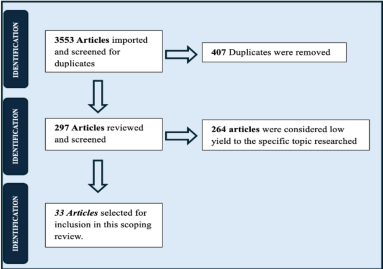
ensure methodological rigor and transparency. The selected studies were evaluated based on relevance to the primary research question: How can AI technologies enhance pilot training performance, and what are the associated challenges and opportunities for implementation? A comprehensive and iterative search strategy was developed using combinations of keywords and Boolean operators across multiple scholarly databases, including Scopus, ProQuest Central, ABI/INFORM, EBSCOhost, Springer, Taylor & Francis, PubMed, and Google Scholar. Keywords used in the search included “Artificial Intelligence in Aviation,” “Pilot Training Performance,” “Adaptive Simulations,” “AI and Decision-Making,” and “Flight Simulation Technologies,” among others. The timeframe for inclusion was restricted to literature published between 2015 and 2025, allowing for the capture of recent advancements while maintaining contextual relevance. Initial screening of 331 articles resulted in a final selection of 33 peer-reviewed sources. Each study was cataloged in an Excel database, with duplicates and irrelevant entries removed through manual screening. Studies were selected for inclusion based on their direct relevance to AI-enhanced pilot training, methodological quality, and conceptual contributions. Qualitative data were extracted and thematically analyzed to identify patterns, application areas, challenges, and opportunities regarding AI integration in pilot instruction. A visual representation of the selection process is provided in Figure 1, with detailed inclusion/exclusion criteria presented in Table 1.
DATA COLLECTION AND SEARCH STRATEGY This review used a broad range of selected peer-reviewed academic sources, such as journals, books, and other scholarly articles. Key databases such as those of ProQuest Central, ABI/INFORM Collection, Scopus, Ebook Central Perpetual and DDA, ABI/INFORM Trade & Industry, ABI/INFORM Global, DOAJ Directory of Open Access Journals, Springer Books, Research Gate, Taylor & Francis eBooks A-Z, ProQuest Dissertations & Theses A&I, Gale, Google Scholar, Big Ten Uborrow, EBSCOhost, PubMed, these were all searched for relevant studies from publications dated between 2015 to 2025.
KEYWORDS AND SEARCH TERMS Artificial Intelligence in Aviation, Pilot Training Performance, Aviation Safety, Flight Simulation Technologies, AI and Decision-Making, Cognitive Skills in Training, Machine Learning in Pilot Training, NLP in Aviation, Computer Vision for Training, AI-driven Learning, Adaptive Simulations, Risk Management, Predictive Analytics, AI Safety Enhancements, Regulatory Challenges, Ethical AI in Aviation, Trust in AI Training, AR & VR in Training, Human Factors in AI Training.
ELIGIBILITY CRITERIA AND SCOPE This scoping review is based on the current landscape of pilot training performance and the associated impact and possible enhancement being sought through the use of AI technologies on pilot training performance, and
it is presented through a selected and brief summary of 33 peer-reviewed articles contained in this review. See Figure 1. The selected articles were screened to avoid having double entries. An Excel spreadsheet was created out of the databases were the documents originally resided. Upon meticulous analysis of the selected articles, those least relevant for the purpose of this scope review were removed, according to the inclusion and exclusion criteria. See Table 1. This scoping review followed the framework of PRISMA-ScR published by Tricco et al. (2018). This scoping review was not pre-registered with its protocol (Tricco et al., 2016). A clear criterion for including studies in the review was early defined and based on their relevance, quality, and focus on AI technologies associated to the enhancement of pilot training performance. See Table 1.
Figure 1: PRISM SrC flowchart.Table 1: Inclusion and exclusion criteria for the scoping review.
Table available in the original PDF paper.
Criteria for Inclusion Criteria for Exclusion Studies not related to AI
Exposure of Interest Studies focusing on AI
in pilot training
technologies in pilot training performance
Studies focusing on
Participants Pilots, pilot trainees, and instructors involved in AI-integrated training
Studies without
aviation roles unrelated to pilot training Outcomes Report Performance metrics, measurable outcomes related to pilot training performance
cognitive skill enhancement, safety improvements, and training efficiency
Non-aviation training
Setting/Environment Flight simulators,
settings or informal learning environments
AI-driven training programs, aviation academies, and research institutions
Continued
Enhancing Pilot Training Performance: A Scoping Review of AI Technologies 5
Table 1: Continued
Table available in the original PDF paper.
Criteria for Inclusion Criteria for Exclusion Non-English articles
Language Articles and/or documents published in English
Peer-reviewed journal
Opinion pieces, blog
without explicit available translations Researched Publications-Types
articles, conference papers, and academic research
Studies lacking a direct
posts, and non-peer-reviewed sources Other Criteria Articles focusing on connection to AI’s role in pilot training
technological advancements and methodologies in AI-based training
SCOPING REVIEW ARTICLES–SUMMARY REVIEW FINDINGS
PILOT TRAINING PERFORMANCE Traditional Methods and Challenges
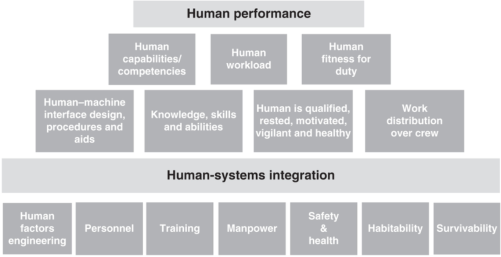
Stephanidis (2021) notes that the manpower community advocates for engineering designs that maximize efficiency and cost-effectiveness in workforce utilization. Program managers and decision-makers must assess necessary manpower positions while acknowledging evolving human demands (e.g., cognitive, physical, and physiological) (Stephanidis, 2021). Furthermore, they should consider the effects of technology on human roles within a system, both beneficial and challenging, ensuring that workforce integration remains effective and sustainable in response to technological advancements (Stephanidis, 2021). See Figure 2. Dideriksen (2021) examines performance criteria for evaluating simulation-based training effectiveness and adaptation strategies for aviation pilots. With a pilot shortage and advancing technology, training methods must evolve (Dideriksen, 2021). The study analyzes multi-year data on pilot task performance and cognitive workload, using electrocardiogram (ECG) signals in simulations and live flights (Dideriksen, 2021). Findings of the study note the impact of simulator fidelity on pilot proficiency and immersion (Dideriksen, 2021). Additionally, it explores adaptive learning strategies, emphasizing the need for further research on optimizing performance assessment and pedagogical approaches (Dideriksen, 2021). Hourlier and Ahram (2020) explore the complexity, ever-present and growing of technologies like AI, ML, DL, IoT, and QC. These technologies, the authors complain, are “increasingly integrated into daily life, yet users often lack full understanding of them” (Hourlier & Ahram, 2020). When these systems work, we function seamlessly, but failures leave us helpless and confused (Hourlier & Ahram, 2020). This hidden complexity can become critical, especially in aviation (Hourlier & Ahram, 2020). Many human-factor incidents occur because pilots fail to grasp system actions, and systems misinterpret pilot intentions, leading to potentially severe consequences in flight operations (Hourlier & Ahram, 2020). Within
the context of fighter pilot training performance, Morarescu (2024) discusses the Digital Revolution that is set to transform fighter pilot training through the integration of advanced technologies that can enhance realism, efficiency, and adaptability. Innovations such as virtual and augmented reality, big data analytics, cortex development insights, and the athlete model are replacing traditional training methods (Morarescu, 2024). Morarescu (2024) expresses those conventional approaches, while effective, are costly and limited in replicating modern combat complexities. In contrast, tech-driven training creates immersive simulations, personalizing instruction through continuous performance tracking (Morarescu, 2024). Pechlivanis et al. (2023) explains that single-pilot cargo operations are anticipated by the late 2020s, with commercial passenger flights following around 2030. This shift requires advanced automation and interface technologies, either replacing the second pilot with onboard autonomy or relocating them to ground-based support (Pechlivanis et al., 2023). The authors note that traditional multi-crew apprenticeship training will be obsolete, necessitating a complete training redesign (Pechlivanis et al., 2023). Extended Reality (XR), including VR, AR, and MR, offers immersive, risk-free training environments, enhancing skill development in decision-making and problem-solving. Ramos et al. (2022) note that automation and autonomy have long been part of aircraft cockpits, aiming to enhance situation awareness (SA) and reduce pilot workload for safer flights. While automation has improved efficiency and reduced accidents, system failures or limitations have sometimes hindered pilots’ decision-making (Ramos et al., 2022). This paper explores the need for an advanced AI-driven decision-support system, introducing the Integrated Flight Advisory System (IFAS) as a pilot-centered solution to enhance aviation safety through model-based AI assistance (Ramos et al., 2022).
Figure 2: Domains of human systems integration. Source: USAF (2005).
Emergence of AI in Pilot Training Almquist et al. (2024) contends that artificial intelligence (AI) has rapidly expanded over the past decade, extending beyond personal assistants like Alexa to more complex applications in aviation and transportation. Though often overlooked, AI is increasingly shaping these human-operator-heavy
Enhancing Pilot Training Performance: A Scoping Review of AI Technologies 7
industries (Almquist et al., 2024). Examples include self-driving cars in transportation and heads-up display (HUD) systems in aviation (Almquist et al., 2024). This study analyzes AI’s role in these sectors, exploring research, trends, and future applications (Almquist et al., 2024). As AI progresses, opportunities emerge for its integration in industrial engineering, particularly in enhancing automation, decision-making, and efficiency in transportation through advanced, data-driven systems (Almquist et al., 2024). Ternus et al. (2024) explores the Intelligent Pilot Advisory System (IPAS) for normal flight operations, expanding on prior work that focused on emergencies. A user-centered workshop with pilots, data scientists, and Human-Artificial Intelligence Teaming (HAT) experts identified key IPAS functionalities, including the Mission Monitoring and Advisory Function (MMAF) for real- time updates and pre-flight briefing integration (Ternus et al., 2024). Using ideation methods and rapid prototyping, a timeline-based interface prototype was developed for feedback (Ternus et al., 2024). The study by Ternus et al. (2024) emphasizes AI integration, pilot situational awareness, and the need for further testing, ensuring human-AI collaboration, system customization, and seamless cockpit integration for improved operational efficiency. Dan and Reiner (2017) examined cognitive load differences between 2D and 3D displays in learning paper-folding (origami) tasks. Using EEG measurements, researchers analyzed theta and alpha oscillations while participants observed 2D video and stereoscopic 3D projections of an instructor (Dan & Reiner, 2017). Results showed higher cognitive load for 2D tasks, especially for complex tasks, while 3D displays reduced cognitive strain, particularly for individuals with lower spatial abilities (Dan & Reiner, 2017). Findings suggest that stereoscopic 3D technology may enhance learning and reduce cognitive effort in complex tasks, supporting its application in virtual and augmented reality training for improved cognitive processing (Dan & Reiner, 2017). Hernández-Sabaté et al. (2022) explain that the commercial flightdeck requires constant multitasking, often disrupted by interruptions that contribute to aviation incidents. Automating pilot workload assessment is crucial to preventing such events while minimizing physiological sensor networks remains a challenge (Hernández-Sabaté et al., 2022). EEG signals strongly correlate with cognitive states like workload, but generalization across new subjects remains uncertain (Hernández-Sabaté et al., 2022). This paper presents a convolutional neural network that classifies EEG features, effectively recognizing pilot mental workload in simulated environments by transferring task learning at a general population level (Hernández-Sabaté et al., 2022). Yi˘gitol et al. (2025) expresses that Industry 4.0 technologies are transforming industries, driving digital transformation to maintain global competitiveness. These technologies simplify operations in manufacturing, healthcare, education, logistics, and aviation. In aviation, for instance, real-time data collection and process optimization are crucial for efficiency (Yi˘gitol et al., 2025). Yi˘gitol et al. (2025) study examines Industry 4.0 applications in aviation, offering insights into current industry practices and academic research, serving as a foundation for future studies on technological advancements in the sector. Simultaneously, we must not forget about the benefits of Industry 5.0 further improvements since collaboration between
humans and machines as the technologies get to be integrated (4.0) will be essential in the near future and for moving forward. Finally, Kirwan (2024) explains that artificial intelligence is advancing rapidly, with machine learning already enhancing aviation efficiency. In the next decade, intelligent assistants (IAs) may support personnel in cockpits, air traffic control, and airports, potentially enabling single-pilot operations and AI-driven air traffic management (Kirwan, 2024). However, aviation’s strong safety culture relies on human oversight (Kirwan, 2024). Experts in safety culture and human- AI collaboration have analyzed IA integration, identifying both risks and safety benefits. Kirwan (2024) notes that they propose safeguards for aviation leaders to be vigilant in maintaining safety as AI adoption increases.
Key Technologies and Applications Sestito et al. (2018) contends that a key challenge in cognitive neuroscience is understanding human behavior in real-world complexity. The authors explain that aviation offers a controlled yet dynamic setting to study the interaction of perception, action, and cognition (Sestito et al., 2018). This study proposes a cross-domain approach combining ecological psychology, embodied cognition, and neurophysiology to explain human performance in aviation (Sestito et al., 2018). The Mirror Neuron system, which links perception and action, is crucial for understanding complex behaviors like flying (Sestito et al., 2018). Harnessing this system can enhance flight training, track expertise through brain activity, and inspire neuroscience- driven flight deck designs (Sestito et al., 2018). Wang et al. (2024) Measuring pilot mental workload (MWL) is essential for aviation safety but remains complex due to multiple influencing factors. Traditional MWL assessment methods face challenges in automated cockpit environments. Heart rate variability (HRV) has emerged as a promising tool for detecting MWL during real-flight operations. This review analyzed 29 studies on HRV-based MWL detection, highlighting variability in study designs, measurement methods, and machine-learning techniques. Findings on HRV differences under varying MWL levels were inconsistent. However, advanced machine- learning techniques show potential in improving MWL detection Choe et al. (2016). This study examined whether transcranial direct current stimulation (tDCS) enhances skill learning in flight simulator training. Thirty-two participants underwent four days of training, receiving sham or anodal tDCS to the right dorsolateral prefrontal cortex (DLPFC) or left motor cortex (M1) (Choe et al., 2016). Electroencephalography (EEG) and functional near infrared spectroscopy (fNIRS) data showed that DLPFC stimulation increased midline-frontal theta activity, improving working memory and flight performance consistency (Choe et al., 2016). M1 stimulation increased parietal alpha power during flight tasks (Choe et al., 2016). Results suggest tDCS enhances skill acquisition by modulating brain activity, linking neuronal function changes to improved cognitive and motor performance (Choe et al., 2016). Darses et al. (2023) researched the impact of mindfulness- based training (ARO) on fighter pilots’ decision-making in critical flight situations. Fifteen pilots participated, with seven receiving ARO training
Enhancing Pilot Training Performance: A Scoping Review of AI Technologies 9
and eight in a control group (Darses et al., 2023). While mindfulness scores did not improve significantly, the ARO group showed faster reaction times for complex failures and improved first action correctness (Darses et al., 2023). However, no significant effects were found on later decision- making phases. Despite the small sample size, findings suggest mindfulness training may enhance perceptual and cognitive control skills, offering potential safety and performance benefits for high-stakes aviation operations (Darses et al., 2023). Future research is needed to confirm these results. Li and Lajoie (2021) looked into the impact of affect on aviation training, focusing on cognitive, psychomotor, and motivational processes. Nineteen participants completed ten simulated flight tasks, with affect measured via electrodermal activity, facial expressions, and the NASA Taskload Index (Li & Lajoie, 2021). Performance was assessed using CAE Inc. instructor rubrics. Results showed arousal positively influenced performance in easy tasks, while higher mental workload negatively impacted performance in medium and difficult tasks (Li & Lajoie, 2021). These findings point to the importance of affective states in specific stages of training, suggesting that integrating affect-based instructional strategies could enhance learning and pilot performance in aviation (Li & Lajoie, 2021). Lefrançois et al. (2021) argue that poor cockpit monitoring is a major factor in aviation accidents, and improving pilots’ monitoring strategies could enhance flight safety. This study analyzed flight performance and eye movements of 20 professional pilots in a simulator (Lefrançois et al., 2021). Pilots were classified into three groups based on approach performance: unstabilized, standard, and most accurate. Unstabilized pilots had fewer visual scanning patterns, while the most accurate pilots demonstrated higher perceptual efficiency (Lefrançois et al., 2021). After 10 months, 14 pilots underwent training; those receiving individual feedback and expert eye-tracking data improved flight performance and visual scanning, underlining the value of monitoring-based training programs (Lefrançois et al., 2021).
IMPACT OF AI ON PILOT TRAINING PERFORMANCE Cognitive Skills Enhancement
According to Alreshidi et al. (2023) predicting pilots’ mental states is crucial for aviation safety and performance. The authors contend that EEG data can offer a promising means of detection. However, the interpretability of machine learning and deep learning models remains a challenge (Alreshidi et al., 2023). In this study, the authors looked at ways on how to overcome this issue by developing an interpretable model capable of detecting four mental states, those being, channelized attention, diverted attention, startle/surprise, and normal state all while using EEG data. A convolutional neural network is trained on power spectral density (PSD) features from EEG recordings of 17 pilots. In this study, to improve interpretability, SHapley Additive exPlanations (SHAP) values identify the ten most influential features for each mental state (Alreshidi et al., 2023). Alreshidi et al. (2023) explain that the model achieves strong performance, with an average accuracy of 96%, a precision of 96%, a recall of 94%, and an F1 score of 95%.
Additionally, an analysis of EEG frequency bands reveals neural mechanisms underlying these mental states (Alreshidi et al., 2023). Xu et al. (2025) present in their study, an enhanced collaborative filtering model that incorporates a user difference factor to improve recommendation accuracy for pilots’ core competency behavior indicators (Xu et al., 2025). By refining the Pearson similarity calculation, the model outperforms traditional methods in reducing mean absolute error (MAE) while increasing accuracy, recall, and diversity (Xu et al., 2025). Sun et al., (2023) present an optimized flight training competency assessment model using the VENN framework to address the limitations of traditional evaluations. It introduces the Assessor Score Measurement Form (ASMF) and a competency assessment matrix, linking behavioral indicators to competency-based training (Sun et al., 2023). In their study, a two-dimensional competency model was developed and validated using real flight training data, achieving 84% accuracy in matching instructor ratings (Sun et al., 2023). The adaptable model enhances quantitative evaluation of cadet performance across training phases, ensuring precise competency assessment (Sun et al., 2023). This approach, according to Sun et al. (2023) improves training effectiveness, aligns evaluations with real-world skills, and supports data-driven decision-making in flight training programs. Liu et al. (2018) introduces the Flight Operation Performance Evaluation System, designed to assess pilot performance using Quick Access Recorder (QAR) data. Tested in an airline’s flight quality control department, the system evaluates flight operations, issues warnings, and suggests training improvements (Liu et al., 2018). It enhances flight risk monitoring by analyzing pilot performance trends over time, offering a quantitative risk assessment based on statistical models (Liu et al., 2018). The system objectively supports training programs, performance evaluations, and airline decision making (Liu et al., 2018). While effective, improvements are needed for faster processing and system integration (Liu et al., 2018).
Simulation and Training Environments Hinckley (2024) explores spatial disorientation as a leading cause of fatal aviation accidents, emphasizing the need for improved pilot training. Traditional methods rely on in-flight exercises and simulators, but with advanced air mobility (AAM) growth, the risk increases (Hinkley, 2024). This study enhances motion simulators with realistic illusions, improving training effectiveness. Four disorientation scenarios, pitch-up, graveyard spiral, runway width, and motion decoupling, were tested (Hinkley, 2024). Pitch-up had the most impact, graveyard spiral required refinements, runway width effectively induced disorientation, and motion decoupling had mixed results. Rizvi et al. (2025) examine pilot perspectives on Flight Simulation Training Devices (FSTDs) and Augmented Reality (AR) in Canadian general aviation training. Despite FSTDs’ benefits, they remain underutilized, while AR shows promise for enhanced learning (Rizvi et al., 2025). A survey of 197 pilots found strong support for integrating these technologies, particularly for emergency training and solo flight debriefing (Rizvi et al., 2025). Pilots valued home simulators, self-paced learning, and video-based instruction.
Enhancing Pilot Training Performance: A Scoping Review of AI Technologies 11
Advanced tracking and data analytics were recommended for decision- making skills, while AR/VR was favored for navigation and emergency procedures (Rizvi et al., 2025). Moesl et al. (2023) notes that mid-air collisions are a major safety risk in general aviation. In this study, the authors evaluate multimodal Augmented Reality (AR) applications for training pilots in Visual Flight Rules (VFR) traffic procedures. AR can enhance conventional training by reducing performance pressure and bridging the gap between theory and practice (Moesl et al., 2023). The study assessed AR’s impact on collision detection, avoidance, and scanning patterns with 59 trainees split into AR and simulator training groups (Moesl et al., 2023). Results showed no negative training effects, with AR trainees performing as well as the control group (Moesl et al., 2023). The study found that AR training improved scanning patterns and reduced fear of failure. Gender differences also emerged in AR feature preferences, with women favoring voice interaction and men preferring traffic holograms (Moesl et al., 2023). In this study, Somerville et al. (2024) examines the impact of simulator-based training on drone pilot skills and performance using a true-experimental design. It assesses accuracy, efficiency, and workload perception, drawing from traditional aviation simulation and instructivist learning theory principles (Somerville et al., 2024). Results in this study show a 32% reduction in mean final displacement, demonstrating significant performance improvements (Somerville et al., 2024).
Personalized Learning Approaches Tuhkala et al. (2024) examines disparities between flight instructor evaluations and pilot self-assessments in full flight simulator training using the Competency-based Training and Assessment framework. Eight novice pilots and eight experienced captains performed tasks involving sudden technical malfunctions (Tuhkala et al., 2024). While instructor evaluations showed no significant performance differences, self-assessments revealed contrasts (Tuhkala et al., 2024). Novice pilots perceived tasks as easy, displaying overconfidence and underestimating risks, while experienced pilots were more cautious, discussing potential hazards (Tuhkala et al., 2024). The study also underlines challenges in designing simulator training with surprise elements, as pilots anticipate anomalies more readily than in real flights (Tuhkala et al., 2024). It emphasizes the value of self- reflection in training assessments. Hodge et al. (2020) Competency-based education and training (CBE/T) is widely used in professional, vocational, and continuing education across various fields, from gardening to aviation. Despite its broad acceptance, debate persists regarding its meaning, merits, and effectiveness. In this study, the authors argue that these interpretative processes create fundamental challenges for the assumptions underlying CBE/T, influencing how competency is understood and applied across different professions (Hodge et al., 2020). Ahmadi (2020) explored the use of eye-tracking technology and a PC-based Aviation Training Device (PCATD) to enhance novice pilots’ situation awareness and flight performance. Twenty student pilots were divided into an experimental group, receiving gaze-based
training with feedback, and a control group, watching a general aviation video (Ahmadi, 2020). Training followed the 3M approach (mistakes, mitigation, mastery), using simulated Cessna Skyhawk 172 flight scenarios (Ahmadi, 2020). Eye-tracking data showed improved gaze behavior across all scenarios, and piloting performance significantly improved, except during landing (Ahmadi, 2020). Innes et al. (2021) tested the impact of enhanced symbology on cognitive workload in simulated helicopter flights using the detection response task (DRT). Military pilots flew under varying visual conditions and information levels, with results showing improved landing accuracy with increased symbology (Innes et al., 2021). The DRT effectively measured workload changes, revealing moderate workload effects influenced by symbology and environment (Innes et al., 2021). Findings suggest that increased symbology aids pilots in difficult conditions, supporting its use in aviation training and operations while ensuring manageable cognitive workload levels (Innes et al., 2021). Slobounov et al. (2015) examined brain activity and behavior in 2D vs. 3D VR environments using EEG. Findings suggest 3D VR demands more cognitive and sensory resources than 2D, supporting its use for training, rehabilitation, and performance enhancement in immersive environments (Slobounov et al., 2015).
Safety and Risk Management Lima et al. (2022) challenge the traditional blame-based approach to pilot errors, advocating for a Safety-II perspective that views airmen as key contributors to safety rather than mere rule followers. It critiques rigid procedural compliance, arguing that it fosters bureaucratic work environments rather than genuine safety improvements (Lima et al., 2022). Instead, the study emphasizes Safety as Capacity, highlighting the interaction between pilots’ decision-making and organizational safety systems (Lima et al., 2022). Holbrook (2021) states that aviation safety management often prioritizes undesired operator behaviors, limiting data collection and analysis, which skews safety policies. Furthermore, the author contends that human performance influences aviation safety through both positive and negative actions, yet traditional approaches focus on errors and failures, overlooking valuable safety-enhancing behaviors (Holbrook, 2021). This narrow scope restricts learning, leading to misleading conclusions based on incomplete data (Holbrook, 2021). To improve safety decision-making, it is crucial to redefine safety, integrate safety-producing behaviors, and develop a comprehensive safety picture (Holbrook, 2021). Lu et al. (2024) explain that accurate flight training trajectory prediction is essential for automatic flight maneuver evaluation and flight operations quality assurance (FOQA) since it improves both pilot training and aviation safety. The authors contend that this task is a complex one due to nonlinear trajectory chaos, unconstrained airspace, and random flight patterns (Lu et al., 2024). The model employs stacked neural networks for scalable approximation and adaptive prediction (Lu et al., 2024). Experiments conducted demonstrate its strong performance on flight training data (Lu et al., 2024). Sun et al. (2023) explains that beginner pilots face significant operational risks and limited risk management
Enhancing Pilot Training Performance: A Scoping Review of AI Technologies 13
skills, making risk control in aviation schools increasingly crucial. Enhancing efficiency in flight training requires effective risk management strategies (Sun et al., 2023). This study applies holographic modeling (HHM) and risk filtering, rating, and management (RFRM) theory to develop a risk identification framework (HHM-PAVE) and an improved risk assessment model (IPC-CM) (Sun et al., 2023). Experimental results demonstrate that this approach accurately identifies critical risk factors, offering a scientific, objective method for improving risk prevention and control in flight training (Sun et al., 2023). Patriarca et al. (2019) explain that aviation safety has traditionally relied on analyzing accidents and incidents, a reactive approach based on hindsight. Recognizing the need for a broader perspective, regulations have evolved to address work complexity (Patriarca et al., 2019). EUROCONTROL developed the tool-kit air traffic management TOKAI, a reporting framework aligned with EU and ICAO regulations, enabling structured reporting for air navigation service providers (ANSPs) (Patriarca et al., 2019). Patriarca et al. (2019) proposes a proactive risk assessment strategy using TOKAI, illustrating data-driven analyses and safety dashboards that enhance decision-making through standardized language and taxonomy for both incidents and daily operations. This type of approach can enhance overall safety risk mitigation mindsets for pilots.
DISCUSSION
This scoping review is an exploration of how AI technologies can augment pilot training by enhancing cognitive, technical, and decision-making skills. Recent advancements in AI, including machine learning, natural language processing, and computer vision, have paved the way for “personalized learning environments”, real-time feedback mechanisms, and adaptive simulations (Raza, 2023). These AI-driven approaches not only improve skill acquisition but also contribute to “enhanced risk management through predictive analytics” and accident prevention strategies (Kavashkin et al., 2023). However, despite its potential, the integration of AI into pilot training presents significant challenges in a wide variety of areas. For instance, as Ke et al., (2023) explains, related to pilot selection, issues associated with high cost, insufficient immersiveness, and associated environment unfriendly issues. Ethical concerns related to “data privacy and algorithmic bias” as Sreerama and Krishnamoorthy (2022) note, as well as technical limitations such as the need for high-fidelity simulations, must be addressed. Additionally, human factors, including pilot acceptance and “trust in AI-driven training”, play a critical role in determining its effectiveness (Henrique & Santos, 2024). This review aims to assess the current landscape of AI integration in pilot training, identify key challenges, and identify opportunities for further advancements, ultimately contributing to safer and more efficient aviation training methodologies. Thomas et al. (2015) for instance, have examined the impact of fatigue on commercial pilots by collecting physiological and performance data during simulated flights under rested and fatigued conditions. In a thirty-two-pilot experiment who flew either long-haul (6.5 hours) or short-haul (multiple shorter flights) scenarios
in a B-777 simulator while subjective fatigue ratings aligned with conditions, psychomotor vigilance tests showed no significant differences (Thomas et al., 2015). Furthermore, Thomas et al. (2015) findings showed that no single physiological device reliably detected fatigue, but a machine learning model successfully classified fatigue with 95% accuracy (Thomas et al., 2015). Optimizing this model could enable real-time fatigue detection, benefiting not only aviation but other industries with non-traditional work schedules (Thomas et al., 2015). In another study, Nguyen et al. (2023) looks into the potential of AI and automation in flightcrew training, emphasizing their role in training design, development, delivery, and assessment. Using the Use- Case Technology-Mapping (UCTM) framework, researchers analyzed AI applications through literature reviews, stakeholder discussions, and expert workshops (Nguyen et al., 2023). The findings noted the current and near- future AI applications in training, while addressing ethical, legal, technical, and practical considerations (Nguyen et al., 2023). Li and He (2024) explores AI-based fatigue detection in aviation, addressing its role in enhancing safety by identifying cognitive impairments in pilots. It outlines the definition, causes, and effects of fatigue on aviation safety, followed by an analysis of AI-driven approaches for fatigue and sleep problem assessment (Li & He, 2024). The study compares various methods, evaluating their efficiency and limitations (Li & He, 2024). Findings suggest that AI advancements offer a promising path for early fatigue recognition, enabling timely interventions to mitigate risks and enhance pilot performance in aviation operations (Li & He, 2024).
Significance of the Review This scoping review is significant as it provides a comprehensive analysis of AI’s potential to revolutionize pilot training, addressing key challenges such as cost, accessibility, and real-world simulation limitations. By synthesizing existing research, the review highlights how AI-driven training solutions, including adaptive simulations, real-time feedback, and machine learning, enhance pilot decision-making and cognitive skills. Additionally, it underscores the role of AI in aviation safety, particularly in risk management and predictive analytics for accident prevention. Given the rapid advancements in AI, this review identifies emerging opportunities for integrating AI with technologies like virtual and augmented reality, paving the way for more immersive and efficient training methodologies. Moreover, it acknowledges critical concerns such as data privacy, algorithmic bias, and regulatory challenges that must be addressed for AI adoption to be successful. The findings serve as a foundation for future research, supporting the ongoing evolution of pilot training in the aviation industry.
Findings, Future Recommendations, and Implications This review presents AI’s transformative potential in pilot training, addressing some common traditional limitations through adaptive simulations, real-time feedback, and predictive analytics. Overall, findings indicate that AI enhances cognitive skills and decision-making but also
Enhancing Pilot Training Performance: A Scoping Review of AI Technologies 15
faces challenges like ethical concerns, regulatory adaptation, and pilot trust. The implications for training also suggest that AI-driven tools can optimize learning efficiency while requiring careful integration into existing aviation frameworks. Future research should explore AI’s synergy with virtual and augmented reality, assess long-term AI effectiveness in pilot competency, and refine ethical guidelines. Advancing AI applications will ensure safer, more effective pilot training while strengthening current and future aviation safety standards’ models.
CONCLUSION
This scoping review confirms that Artificial Intelligence (AI) holds transformative potential for enhancing pilot training by addressing critical limitations in traditional instructional methods. AI technologies, such as adaptive simulations, real-time feedback, and predictive analytics, not only improve technical and cognitive competencies but also support more personalized, efficient, and scalable training environments. Moreover, AI’s application in fatigue detection and performance monitoring introduces new possibilities for risk mitigation and aviation safety enhancement. However, the path to full implementation is not without obstacles. Ethical concerns surrounding data privacy and algorithmic bias, technical requirements for high-fidelity simulations, and the need for pilot trust and regulatory adaptation must be systematically addressed. Future research should prioritize the development of integrated, evidence-based AI training frameworks and explore the intersection of AI with immersive technologies like virtual and augmented reality. By doing so, the aviation industry can ensure the responsible adoption of AI, advancing both pilot readiness and safety standards in a rapidly evolving operational landscape.
ACKNOWLEDGMENT
The authors thank the Purdue University Libraries for allowing us the access to conduct research on associated topics for this scope review. Also, to the faculty members of Capitol Technology University, Department of Aeronautics, for their invaluable support in publishing this work.
REFERENCES
Ahmadi, N. (2020). Application of Eye-Tracking Technology and a PC-Based Aviation Training Device in Accelerating the Learning Curve of Novice Pilots. ProQuest Dissertations & Theses. AI-Enhanced Pilot training and simulation. AI LABS: Connecting You with Top
AI Talent. (n.d.). https://www.ailabs.global/blog/ai-enhanced-pilot-training-and- simulation Almquist, E., Mathis, T., & Duffy, V. G. (2024). Artificial Intelligence and Transportation – The Emergence of New Technologies and the Related Impacts on the Transportation of People and Packages. In Digital Human Modeling and Applications in Health, Safety, Ergonomics and Risk Management (pp. 165–181). Springer Nature Switzerland. https://doi.org/10.1007/978-3-031-61066-0_12
Alreshidi, I., Bisandu, D., & Moulitsas, I. (2023). Illuminating the Neural Landscape of Pilot Mental States: A Convolutional Neural Network Approach with Shapley Additive Explanations Interpretability. Sensors (Basel, Switzerland), 23(22), 9052. https://doi.org/10.3390/s23229052 Boksberger, P., Müller, R., Wittmer, A., & Bieger, T. (2021). The Holy Grail of
Aviation: Risk, Safety and Security. In Aviation Systems (pp. 335–354). Springer International Publishing. https://doi.org/10.1007/978-3-030-79549-8_11 Choe, J., Coffman, B. A., Bergstedt, D. T., Ziegler, M. D., & Phillips, M. E.
(2016). Transcranial Direct Current Stimulation Modulates Neuronal Activity and Learning in Pilot Training. Frontiers in Human Neuroscience, 10, 34–34. https://doi.org/10.3389/fnhum.2016.00034 Dan, A., & Reiner, M. (2017). EEG-based cognitive load of processing events in 3D virtual worlds is lower than processing events in 2D displays. International Journal of Psychophysiology, 122, 75–84. Darses, F., Bernier, M., Berthelot, V., Fornette, M.-P., Launay, Y., Dozias, B.,
Chastres, V., & Fournier, J. (2023). Effects of mindfulness training on decision- making in critical and high-demand situations: A pilot study in combat aviation. Safety Science, 166, 106204. https://doi.org/10.1016/j.ssci.2023.106204 Dideriksen, A. L. (2021). Enhancing Performance Criteria to Improve U. S. Military Aviation Training (Order No. 28318072). Available from Dissertations & Theses @ Big Ten Academic Alliance; ProQuest Dissertations & Theses Global Closed Collection; ProQuest One Academic. (2562252239). https://www.proquest.com/dissertations-theses/enhancing-performance-criter ia-improve-u-s/docview/2562252239/se-2 Eddins, J. M. (2024, May 20). The United States Air Force’s focus on AI research
and development. The United States Air Force’s Focus on AI Research and Development >> Display. https://www.airmanmagazine.af.mil/Features/Display /Article/3776930/the-united-states-air-forces-focus-on-ai-research-and-develo pment/ Henrique, B.M., & Santos, E.(2024). Trust in artificial intelligence: Literature review and main path analysis. Computers in Human Behavior: Artificial Humans, 2(1), 100043. https://doi.org/10.1016/j.chbah.2024.100043 Hernández-Sabaté, A., Yauri, J., Folch, P., Piera, M. À., & Gil, D. (2022). Recognition
of the Mental Workloads of Pilots in the Cockpit Using EEG Signals. Applied Sciences, 12(5), 2298. https://doi.org/10.3390/app12052298 Hinckley, J. (2024). Enhancing Spatial Disorientation Training in Aviation: Simulator Development and Validation for Future Pilots. ProQuest Dissertations & Theses. Hodge, S., Mavin, T. & Kearns, S. Hermeneutic Dimensions of Competency-Based Education and Training. Vocations and Learning 13, 27–46 (2020). https://doi.or g/10.1007/s12186-019-09227-y Holbrook, J. Exploring methods to collect and analyze data on human contributions
to aviation safety. In Proceedings of the 49th International Symposium on Aviation Psychology, Online, 5 January 2021; pp. 110–115. Hourlier, S., & Ahram, T. (2020). For Our Complex Future, Don’t Give Us AI, Give Us Intelligent Assistance (IA): The Case for Avionics. In Advances in Artificial Intelligence, Software and Systems Engineering (Vol. 1213, pp. 16–21). Springer International Publishing AG. https://doi.org/10.1007/978-3-030-51328-3_3 Innes, R. J., Howard, Z. L., Thorpe, A., Eidels, A., & Brown, S. D. (2021). The Effects
of Increased Visual Information on Cognitive Workload in a Helicopter Simulator. Human Factors, 63(5), 788–803. https://doi.org/10.1177/0018720820945409
Enhancing Pilot Training Performance: A Scoping Review of AI Technologies 17
Kabashkin, I., Misnevs, B., & Zervina, O. (2023). Artificial Intelligence in Aviation: New Professionals for New Technologies. Applied Sciences, 13(21), 11660. https://doi.org/10.3390/app132111660 Ke, L., Zhang, G., He, J., Li, Y., Li, Y., Liu, X., & Fang, P. (2023). Pilot
Selection in the Era of Virtual Reality: Algorithms for Accurate and Interpretable Machine Learning Models. Aerospace, 10(5), 394. https://doi.org/10.3390/aerosp ace10050394 Kirwan, B. (2024). The Impact of Artificial Intelligence on Future Aviation Safety Culture. Future Transportation, 4(2), 349–379. https://doi.org/10.3390/futuretr ansp4020018 Korentsides, Jenna & Keebler, Joseph & Fausett, Crystal & Patel, Sabina & Lazzara,
Elizabeth. (2024). Human-AI Teams in Aviation: Considerations from Human Factors and Team Science. Journal of Aviation/Aerospace Education & Research. 33. 10.58940/2329-258X.2046. Lefrançois, O., Matton, N., & Causse, M. (2021). Improving Airline Pilots’ Visual Scanning and Manual Flight Performance through Training on Skilled Eye Gaze Strategies. Safety (Basel), 7(4), 70. https://doi.org/10.3390/safety7040070 Li, T., & Lajoie, S. (2021). Predicting aviation training performance with multimodal
affective inferences. International Journal of Training and Development, 25(3), 301–315. https://doi.org/10.1111/ijtd.12232 Li, Y., & He, J. (2024). A Review of Strategies to Detect Fatigue and Sleep Problems in Aviation: Insights from Artificial Intelligence. Archives of Computational Methods in Engineering, 31(8), 4655–4672. https://doi.org/10.1007/s11831-024- 10123-5 Lima, R., de Andrade, D., de Souza Fontes, R., & Soares Leão, M. (2022).
Safety-II: Building Safety Capacity and aeronautical decision-making skills to commit better mistakes. The Aeronautical Journal, 127(1310), 511–536. https: //doi.org/10.1017/aer.2022.74 Liu, S.; Zhang, Y.; Chen, J. A system for evaluating pilot performance based on flight data. In Proceedings of the Engineering Psychology and Cognitive Ergonomics: 15th International Conference, EPCE 2018, Las Vegas, NV, USA, 15–20 July 2018; pp. 605–614. Lu, J., Jiang, J., & Bai, Y. (2024). Deep Embedding Koopman Neural Operator-Based
Nonlinear Flight Training Trajectory Prediction Approach. Mathematics (Basel), 12(14), 2162. https://doi.org/10.3390/math12142162 Moesl, B., Schaffernak, H., Vorraber, W., Braunstingl, R., & Koglbauer, I. V. (2023).
Multimodal Augmented Reality Applications for Training of Traffic Procedures in Aviation. Multimodal Technologies and Interaction, 7(1), 3. https://doi.org/10. 3390/mti7010003 Morarescu, I. C. M. (2024). The impact of the digital revolution on future fighter pilot training. Journal of Defense Resources Management, 15(2), 136–151. Nguyen, B., Sonnenfeld, N., Finkelstein, L., Alonso, A., Gomez, C., Duruaku, F.,
& Jentsch, F. (2023). Using AI Tools to Develop Training Materials for Aviation: Ethical, Technical, and Practical Concerns. Proceedings of the Human Factors and Ergonomics Society Annual Meeting, 67(1), 1343–1349. https://doi.org/10.1177/ 21695067231192904 Patriarca, R., Di Gravio, G., Cioponea, R., & Licu, A. (2019). Safety intelligence: Incremental proactive risk management for holistic aviation safety performance. Safety Science, 118, 551–567. https://doi.org/10.1016/j.ssci.2019.05.040
Pechlivanis, K., Ziakkas, D., Flores, A. D. C., Sottilare, R. A., Ioannou, A., Zaphiris, P., Siau, K., Wei, J., Salvendy, G., Fui-Hoon Nah, F., & Schwarz, J. (2023). Extended Reality in Aviation Training: The Commercial Single Pilot Operations Case. In HCI International 2023 - Late Breaking Papers (Vol. 14060, pp. 228–239). Springer. https://doi.org/10.1007/978-3-031-48060-7_18 Ramos, M. A., Sankaran, K., Guarro, S., Mosleh, A., Ramezani, R., & Arjounilla, A.
(2023). The need for and conceptual design of an AI model-based Integrated Flight Advisory System. Proceedings of the Institution of Mechanical Engineers. Part O, Journal of Risk and Reliability, 237(2), 485–507. https://doi.org/10.1177/ 1748006X221083379 Raza, F. (2023). AI in Education: Personalized Learning and Adaptive Assessment.
10.13140/RG.2.2.24796.77446. Rizvi, Syed & Rehman, Umair & Cao, Shi & Moncion, Bradley. (2025). Exploring technology acceptance of flight simulation training devices and augmented reality in general aviation pilot training. Scientific Reports. 15. 10.1038/s41598-025- 85448-7. Sestito, M., Flach, J., & Harel, A. (2018). Grasping the world from a cockpit:
Perspectives on embodied neural mechanisms underlying human performance and ergonomics in aviation context. Theoretical Issues in Ergonomics Science, 19(6), 692–711. https://doi.org/10.1080/1463922X.2018.1474504 Slobounov, S. M., Ray, W., Johnson, B., Slobounov, E., & Newell, K. M. (2015).
Modulation of cortical activity in 2D versus 3D virtual reality environments: An EEG study. International Journal of Psychophysiology, 95(3), 254–260. https: //doi.org/10.1016/j.ijpsycho.2014.11.003 Somerville, A., Lynar, T., Joiner, K., & Wild, G. (2024). Use of Simulation for Pre- Training of Drone Pilots. Drones (Basel), 8(11), 640. https://doi.org/10.3390/dr ones8110640 Sreerama, J. & Krishnamoorthy, G. (2022). Ethical Considerations in AI Addressing Bias and Fairness in Machine Learning Models. Journal of Knowledge Learning and Science Technology ISSN: 2959–6386 (Online). 1. 130–138. 10.60087/jklst.vol1.n1. p138. Stephanidis, C. (2021). Design for all in Digital Technologies. Handbook of Human
Factors and Ergonomics, 1187–1215. https://doi.org/10.1002/9781119636113. ch46 Sun, H., Yang, F., Zhang, P., & Hu, Q. (2023). Behavioral Indicator-Based Initial Flight Training Competency Assessment Model. Applied Sciences, 13(10), 6346. https://doi.org/10.3390/app13106346 Ternus, S., Würfel, J., Papenfuß, A., Wies, M., Rumpler, M., Harris, D., &
Li, W.-C. (2024). Exploring Functionalities for an Intelligent Pilot Advisory System in Normal Operation. In Engineering Psychology and Cognitive Ergonomics (Vol. 14692, pp. 235–247). Springer. https://doi.org/10.1007/978-3- 031-60728-8_19 Thomas, L. C., Gast, C., Grube, R., & Craig, K. (2015). Fatigue detection in commercial flight operations: Results Using Physiological Measures. Procedia Manufacturing, 3, 2357–2364. https://doi.org/10.1016/j.promfg.2015.07.383 Tricco, A. C., Lillie, E., Zarin, W., O’Brien, K. K., Colquhoun, H., Levac, D., Moher,
D., Peters, M. D. J., Horsley, T., Weeks, L., Hempel, S., Akl, E. A., Chang, C., McGowan, J., Stewart, L., Hartling, L., Aldcroft, A., Wilson, M. G., Garritty, C., … Straus, S. E. (2018). Prisma extension for scoping reviews (PRISMA-SCR): Checklist and explanation. Annals of Internal Medicine, 169(7), 467–473. https: //doi.org/10.7326/m18-0850
Enhancing Pilot Training Performance: A Scoping Review of AI Technologies 19
Tuhkala, A., Heilala, V., Lämsä, J., Helovuo, A., Tynkkynen, I., Lampi, E., Sipiläinen, K., Hämäläinen, R., & Kärkkäinen, T. (2024). The interconnection between evaluated and self-assessed performance in full flight simulator training. Vocations and Learning, 17(2), 253–276. https://doi.org/10.1007/s12186-023- 09339-6 Wang, P., Houghton, R., & Majumdar, A. (2024). Detecting and Predicting Pilot
Mental Workload Using Heart Rate Variability: A Systematic Review. Sensors (Basel, Switzerland), 24(12), 3723. https://doi.org/10.3390/s24123723 Xu, H., Kong, Y., Huang, H., Liang, A., & Zhao, Y. (2025). Research on Recommendation of Core Competencies and Behavioral Indicators of Pilots Based on Collaborative Filtering. Aerospace, 12(1), 9. https://doi.org/10.3390/aerospac e12010009 Yi˘gitol, B., Paksoy, T., & Demir, S. (2025). AI, Robotics, and Autonomous
Systems: Assessing AI Applications in Aviation Industry. In Smart and Sustainable Operations Management in the Aviation Industry (1st ed., Vol. 1, pp. 115–141). CRC Press. https://doi.org/10.1201/9781003389187-9
LISTED IN THE AHFE DIGITAL BOOKSTORE CATALOGUE
Explore the complete digital volume
Training, Education, and Learning Sciences
Read this individual research paper free through the original publisher, or explore the full digital proceedings book.
ISBN 978-1-964867-69-4
Explore this ISBN in the AHFE Bookstore ↗Listed in the July 2026 bookstore catalogue; search by ISBN to confirm current availability · Digital book purchase optional