Özlem Kaya (2024). Body Positivity Perception and Fashion. In: Human Factors in Design, Engineering, and Computing. AHFE Open Access, vol. 159, pp. 741–749. https://doi.org/10.54941/ahfe1005641
One of the most important problems of our day is not liking our own bodies and being like someone else, which has become extremely important especially among young people and women. Due to this situation, many people try to make themselves look like people they want to see or like through surgical operations at a very young age. This situation brings with it very important problems and even causes irreversible mistakes, psychological problems and even deaths at a young age. For all these reasons, the body positivity movement, which sets out with the philosophy of trying to be happy with our own bodies no matter what kind of body type or shape we have, has emerged at this very moment by creating great awareness. With the body positivity movement, a more realistic ideal female body perception has begun to emerge. In this context, the body positivity movement is an important movement that encourages individuals to accept and love themselves as they are. The spread of this movement can change the ideal body perception of society and positively affect the psychological health of individuals. Therefore, awareness about body positivity needs to be increased and supported. In this context, a survey was conducted to determine the body positivity perception among young women between the ages of 18-24, to reveal the situation regarding their bodies and to reveal the attitude of society towards body standards and the findings were presented. According to the findings obtained as a result of the research conducted on a total of 296 university students, it was determined that the majority of the students have knowledge about body positivity and are aware of knowing, loving and accepting their own bodies in this direction.
Throughout history, there has always been an idealized depiction of beauty in most societies. Although the ideal changes in every culture, the concept of exclusion related to it has maintained its universality and people have always had problems, especially in terms of their appearance and physical structure. In this context, the western depiction of beauty is widespread everywhere and has become ingrained in the fabric of American society. Especially with the increasing use of social media, young adults are exposed to a bombardment of images that impose western beauty ideals. At this point, this situation, which especially affects young adults and adolescents, can cause them to question their own bodies, sometimes not accept them, want to change them and even lead to problems that can lead to some surgical interventions. This negative picture that occurs regarding the result of a person’s physical appearance and body image often comes across with extremely sad results
that are frequently reported in the press. Body dissatisfaction is a common problem, especially during adolescence and among young adults (Markey, 2010). Due to the significant developmental changes experienced during this period, adolescents attach more importance to their body image and become more sensitive to messages about body appearance (Keery et al., 2004). Such messages are often spread through media content that emphasizes physical appearance, and the internet serves as an important distribution channel for such content for today’s youth (Saiphoo, Vahedi, 2019). Body image is our personal relationship with our body. It includes perceptions, beliefs, thoughts, and feelings about physical appearance. It also includes how you feel with your body. Body image can be divided into four categories:
Body image satisfaction refers to how satisfied you are with your body and appearance.
Body image investment refers to the importance you give to physical appearance in defining yourself and determining your self-worth.
Body image behavior refers to appearance-related behaviors such as grooming, checking, hiding aspects of your appearance, and avoiding places, activities, or people.
Body image perception refers to how accurately you estimate your own body measurements and/or shape (Anonymous, 2024).
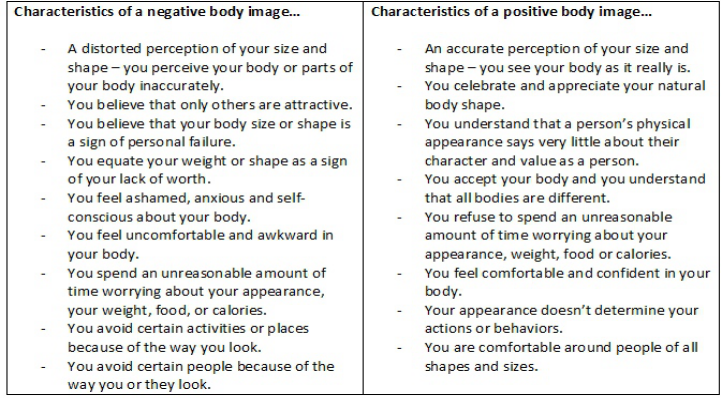
Figure 1: Body image. (Anonymous, 2024).
Questioning the status of their bodies, perception of beauty and body image, which are especially common among young people, have come to the forefront in recent years. This situation, which is gaining momentum all over the world, is closely related to the technological change and transformation experienced. The body positivity movement, which has emerged in recent years as a response to these problems, has also reached an extremely important point. The body positivity movement emerged on social media and has generated both support and criticism in popular culture
Body Positivity, Perception and Fashion 743
discourse (Cohen et al., 2020). Over the last decade, the body positivity movement has developed in response to the constant bombardment of media images promoting unrealistic and unattainable appearance ideals. The body positivity movement is shifting the discussion from insecurities and examining one’s appearance to a focus on radical self-love.
Body positivity aims to challenge dominant appearance ideals, encourage acceptance and respect for all bodies regardless of shape, size, and features, and appreciate the functionality and health of the body rather than focusing solely on appearance (Sastre, 2014). This movement was started by a group of social media influencers who wanted to teach others how to increase their self-confidence and love themselves regardless of their physical appearance and proximity to beauty standards. The roots of such ideologies can be traced back to decades of history where women have refused to conform or define themselves according to expected and standardized beauty parameters. As the ideal image of female beauty in America has evolved over the years, there continues to be an emphasis on certain characteristics such as thinness and an hourglass figure. In the digital age, social media has undoubtedly carried the discourse of these beauty ideals by allowing for more images and messages to be shared with a wider audience than in previous decades (Chiat, 2020; Convertino et al., 2016).
Body positivity content on social media aims to challenge mainstream beauty ideals and encourage acceptance and appreciation of all body types (Cohen et al., 2019: 1–2). There are numerous posts on social media, particularly of women, that include a variety of quotes, images, and captions, ranging from selfies where women proudly display their larger bodies, captions such as “it is possible to love your belly curves, it is possible to have a favorite spot with cellulite”, before and after photos of ‘real’ bodies that promote awareness of the use of digital alteration in mainstream media, positive quotes such as “you are more than a body, show the world more”, and images that focus on body functionality.
It is possible to examine the potential benefits and disadvantages of ‘body positivity’ on social media in light of theory and existing research. Based on early evidence showing the potential benefits of engaging with body positivity content on social media for positive body image, a case is made in support of this emerging content. However, there are many studies on whether young women, in particular, regulate their body images after appearance comparison to idealized body images on social media and whether cognitive coping mediates the relationship between physical appearance perfectionism and body image resulting from social comparison processes (McComb, Mills, 2021: 49). In these studies, it is seen that young women are influenced by social media and act accordingly. In addition, a growing number of studies have also shown that social media use and media content are associated with negative body image and eating concerns (Holland and Tiggemann, 2016). At the same time, studies have shown that viewing such appearance-focused content on social media increases negative mood and body dissatisfaction, especially in women (Robinson et al., 2017; Tiggemann and Zaccardo, 2015).
While body positivity on social media offers a promising approach to promoting positive body image on a large scale, the research is in its early
744 Kaya
stages and more research is needed to draw more definitive conclusions about its usefulness (Cohen et al., 2019). If body positive posts do indeed perpetuate a concern with appearance, perhaps there is room to promote positive body image messages through quotes and illustrations without depicting objectified body images. Experimental research would help to tease apart these elements and clarify whether the same positive effects on mood and body image can be achieved without objectifying elements. Second, given claims in the popular press that body positivity may contribute to obesity, it would be beneficial for future studies to empirically examine the health attitudes and actual behavioral outcomes of body positive social media consumers after exposure to such content. Finally, longitudinal research will help clarify whether the short-term benefits of watching body-positive content on social media persist in the long term or whether a greater focus on appearance following acute exposure ultimately contributes to long-term self-objectification.
The current literature also offers future directions for body-positive content on social media. A systematic content analysis of popular body- positive accounts found that themes of filtering information in a body- protective manner, adaptive investment in body care, and body appreciation were less frequently represented (Cohen et al., 2019). Research suggests that these themes are important for both the promotion of positive body image and the prevention of body image disturbances (Tylka and Wood- Barcalow, 2015). Therefore, body-positive posts may benefit from greater emphasis on these components of positive body image in addition to the broad conceptualizations of beauty, body acceptance, and intrinsic positivity.
Feelings of being comfortable with your own body and loving yourself just the way you are characterize body positivity media and communication, and such well-intentioned messages seem like a timely and welcome reprieve from the pervasive pressure to be thin. Yet while such messages may superficially appear to endorse self-acceptance, little is known about how they might differ in promoting a positive body image (Ryan and Deci, 2000).
As Legault and Sago (2022) stated in their study, although women now have access to messages about body acceptance, the risks and benefits of such messages have not been well researched. In this respect, studies on body positivity are extremely important. In this context, this study aimed to reveal the awareness of the body positivity movement among university students, what kind of perception they have, and their views on their bodies.
METHOD
The aim of this study is to determine the perception of body positivity among young women between the ages of 18-24, to reveal the situation regarding their bodies and to determine the attitude of the society towards body standards.
Personal Information Collection Form was used in the study. In the study, a personal information collection form consisting of questions regarding the students’ gender, age, region of residence, awareness status regarding body positivity and getting to know their own body was used.
Body Positivity, Perception and Fashion 745
The survey form was applied to students studying at a university during the 2022–2023 fall academic year on a voluntary participation basis. A total of 320 surveys were distributed directly to the students and 24 of the surveys collected were not included in the study because they contained missing data, and the analyses were carried out on 296 surveys. The research data were evaluated in the SPSS program on the computer. Frequency distributions were used in the evaluation of the data.
RESULTS
When the demographic information of the participants regarding gender, region and age is examined, it is understood that 85% live in the city center, 81.5% are women between the ages of 18-21. More than half of the students participating in the research, 68%, describe their bodies as normal, and 57% love their bodies and find them healthy and strong.
Data regarding the knowledge of the students participating in the research regarding body positivity are given in Table 1.
Table 1. Distribution of participants’ knowledge of body positivity.
Table available in the original PDF paper.
Having Knowledge About Body Positivity N % Yes 93 31,9 No 101 33,7 Partially 102 34,4 Total 296 100
When Table 1 is examined, it is seen that approximately 35% of the participants have partial knowledge about body positivity, while 32% have knowledge about body positivity. 34% of the participants stated that they do not have knowledge about body positivity. The attitudes and habits of today’s youth in social media and technology use have a great share in the fact that more than half of the participants have knowledge about body positivity. At the same time, the fact that the body positivity movement emerged on social media and has generated both support and criticism in popular culture discourse also has a high share.
Table 2. Distribution of the effect of social media on body positivity.
Table available in the original PDF paper.
The Impact of Social Media on Body Positivity N % Promoting positive body image 49 12,9 Positive self-image perception 42 9,1 Concern about shape and appearance 94 42,6 Stress and anxiety 44 10,1 Making comparisons 67 25,3 Total 296 100
When Table 2 is examined, it is seen that the majority of the participants stated that the effects of social media on their bodies, especially 43%, cause
746 Kaya
shape and appearance anxiety and 25% stated that it makes comparisons. Today, social media has become an indispensable part of life, especially among young people. There is almost no area that social media does not affect or enter. In this study, it is seen that social media has a serious effect on the participants. The most striking point is that young people are concerned about the shape and appearance of their bodies and always make comparisons. This situation unfortunately causes more serious consequences in the future. (surgical intervention, excessive thinness, size 0, etc.)
Table 3. Participants’ body description status.
Table available in the original PDF paper.
Points in Your Own Body That Bother You N % Disproportionate body lines 98 41 Weakening 52 10,5 Excess weight 48 7,9 None 98 40,6 Total 296 100
When the participants’ body conditions are considered, especially in terms of affecting their health, it is stated that it affects the majority of the participants 45% as stress. When Table 3 is examined, almost half of the participants stated that they are most disturbed by their disproportionate body lines. It can be considered extremely normal that the participants who stated that they are disturbed by this situation also stated that they experience stress as a result of this.
Table 4. Distribution of society’s attitudes regarding body standards.
Table available in the original PDF paper.
Thoughts on Society’s Attitude Towards Body Standards N % Restrictive 56 17,8 Oppressive 87 37,8 Devastating 42 9,4 Unrealistic 65 23,5 Insufficient diversity 46 11,5 Total 296 100
When Table 4 is examined, the participants’ thoughts on the society’s attitude towards body standards are especially oppressive 38%, unrealistic 24% and restrictive 18%. This situation shows how directive and shaping the society is in terms of appearance. In addition, this situation, which we can describe as social pressure, is not only about the clothes worn, but also about the society trying to force bodies into a certain uniform shape and trying to impose that uniform body, which is usually white and thin, as beautiful and what it should be.
When Table 5 is examined, it is seen that with the increase in awareness about the body positivity movement, the participants expressed a more positive attitude towards their own bodies when their yes and partial answers
Body Positivity, Perception and Fashion 747
are considered together. This situation may be related to the increase in the number of posts shared especially through social media, which are more self- confident regardless of their body type, and to the fact that they accept and respect their bodies.
Table 5. Positive attitude as a result of increasing awareness regarding body positivity.
Table available in the original PDF paper.
N %
Having a More Positive Attitude Towards Your Body as a Result of Increased Awareness of Body Positivity Yes 93 31,9 No 101 33,7 Partially 102 34,4 Total 296 100
While the increase in awareness about body positivity among people creates a situation where they are more conscious, respectful and positive towards their bodies, it has also caused a process where businesses and fashion brands have gone for more diversity (57% of the research reached a yes result). In this case, it is extremely important for consumers with different body characteristics. Because knowing your own body, dressing accordingly and acting according to it is an extremely important issue. In the research, approximately 60% of the participants stated that there were products they could not buy or gave up buying due to the shape of their body during shopping. In order for consumers not to encounter such a problem, it is important for businesses and manufacturers to act with an approach that takes everybody into consideration.
CONCLUSION
Many studies have shown that body positivity on social media can be a way to increase positive body image at a population level. Therefore, this trend that started on social media has actually positively affected many people and has led them to be more positive, accepting and positive about their bodies. While it is critical to promote body positivity and counteract the underrepresentation of various body sizes, the results show that not all body positive communication styles have positive effects. On the contrary, in order to promote positive body image and self-esteem and reduce negative body image, body acceptance messages must support psychological needs. When body positive messages reinforce body acceptance from others and encourage women to accept their bodies on their own terms, self-esteem is strengthened and body shame is reduced. In contrast, telling women in particular that they should or should be body positive does not improve body image and can even have the opposite effect by increasing perceived pressure. In this context, this study, which aims to reveal the perception of body positivity especially among female students between the ages of 18-24, has revealed the participants’ attitudes towards defining their own bodies, being aware of them, having knowledge about body positivity and therefore exhibiting a positive attitude, and their attitudes towards the body standards of the
748 Kaya
society. When the results are evaluated, it has been concluded that the society has a restrictive, oppressive and unrealistic attitude in this regard, and as a result of this situation, the participants are under stress, they generally define their bodies as having disproportionate body lines, and social media creates shape and appearance anxiety on body positivity. In this direction, it may be possible to gain a more positive body image and self-esteem and develop an attitude after increasing knowledge and awareness about the body positivity movement. Finally, as Bahr (2018) suggests, future research on the body positivity movement should aim to answer the following question: Are we currently observing a user-generated construction of a new norm for body image? With so many users promoting body positivity and a new body standard, we should begin to see the media conforming to these new ideals more than it currently does. The emergence of this new norm should certainly provide rich data for future analysis and interesting implications for a society influenced by the media. It is well known that the media promotes unrealistic beauty standards and plays a significant role in the development and perpetuation of body dissatisfaction and disordered eating. Therefore, more careful actions should be taken and strategies developed in this regard.
REFERENCES
Anonymous, (September 20, 2024). Body Image, Website: https://www.mcgill.ca/co unselling/files/counselling/ways_to_improve_body_image Bahr, Nike. (2018). #Effyourbeautystandards: Message Construction in The Body Positivity Movement on Instagram, Master Thesis, University of Alaska Fairbanks, May. Chiat, Alissa. (September 20, 2020). Body Positivity Movement: Influence of
Beauty Standards on Body Image, HNRS 4970: Senior Honors Project May 1, Website: https://www.academia.edu/83822101/Body_Positivity_Movement_Influ ence_of_Beauty_Standards_on_Body_Image. Cohen, Rachel. Fardouly, Newton-John, Toby. (2019). #Bopo on Instagram: An Experimental Investigation of The Effects of Viewing Body Positive Content on Young Women’s Mood and Body Image, New Media & Society, pp. 1-19, Doi: 10.1177/1461444819826530. Cohen, Rachel. Newton-John, Toby. Slater, Amy. (2020). The Case for Body
Positivity on Social Media: Perspectives on Current Advances and Future Directions, Journal of Health Psychology, Vol. 26, Issue 13, November 2021. Convertino, Alexandra. D. Rodgers, Rachel. F. Franko, Debra. L. Jodoin, Adriana.
(2016). An Evaluation of The Aerie Real Campaign: Potential For Promoting Positive Body Image? Journal of Health Psychology, 24(6), pp. 726–737. Holland, Grace. Tiggemann, Marika. (2016). A Systematic Review of The Impact of The Use of Social Networking Sites on Body Image and Disordered Eating Outcomes, Body Image, Jun:17: 100–10.doi: 10.1016/j.bodyim.2016.02.008. Keery, Helena. Van Den Berg, Patricia. Thompson, J. Kevin. (2004). An Evaluation of The Tripartite Influence Model of Body Dissatisfaction and Eating Disturbance With Adolescent Girls. Body Image, 1, (3), pp. 237-251, doi: 10.1016/j.bodyim.2004.03.001. Legault, Lisa. Sago, Anise. (2022). When Body Positivity Falls At: Divergent Effects
of Body Acceptance Messages That Support vs. Undermine Basic Psychological Needs, Body Image 41, pp. 225–238, https://doi.org/10.1016/j.bodyim.2022. 02.013
Body Positivity, Perception and Fashion 749
Markey, Charlotte. N. (2010). Invited Commentary: Why Body Image is Important to Adolescent Development, J Youth Adolesc., Dec; 39(12), pp. 1387–91. doi: 10.1007/s10964-010-9510-0. McComb, Sarah. E., Mills, Jennifer. S. (2021). Young Women’s Body Image
Following Upwards Comparison to Instagram Models: The Role of Physical Appearance Perfectionism and Cognitive Emotion Regulation, Body Image, Vol. 38, September, pp. 49–62. https://doi.org/10.1016/j.bodyim.2021.03.012 Robinson, Lily. Prichard, Ivanka. Nikolaidis, Alyssa. Drummond, Claire. Drummond, Murray. Tiggemannn, Marika. (2017). Idealised Media Images: The Effect of Fitspiration Imagery on Body Satisfaction and Exercise Behaviour, Body Image, 2017 Sep:22: 65–71. doi: 10.1016/j.bodyim.2017.06.001. Epub 2017 Jun. 24. Ryan, Richard. M., Deci, Edward. L. (2000). Self-determination Theory and The Facilitation of Intrinsic Motivation, Social Development, and Well-Being, American Psychologist, 55, pp. 68–78. https://doi.org/10.1037/0003-066X. 55.1.68 Saiphoo, Alyssa. N., Vahedi, Zahra. (2019). A Meta-Analytic Review of The
Relationship Between Social Media Use and Body Image Disturbance, Computers in Human Behavior, Vol. 101, December, pp. 259–275. Sastre, Alexandra. (2014). Towards A Radical Body Positive Reading The Online “Body Positive Movement”, Feminist Media Studies, Volume 14, Issue 6. Tiggemann, Marika. Zaccardo, Mia. (2015). Exercise To Be Fit, Not Skinny:
The Effect of Fitspiration Imagery on Women’s Body Image, Body Image, 2015 Sep:15:61-7, doi: 10.1016/j.bodyim.2015.06.003. Epub 2015 Jul. 10. Tylka, Tracy L. and Wood-Barcalow, Nichole. L. (2015). What is and What is Not Positive Body Image? Conceptual Foundations and Construct Definition., Body Image 14, pp. 118–129. doi: 10.1016/j.bodyim.2015.04.001.
LISTED IN THE AHFE DIGITAL BOOKSTORE CATALOGUE
Explore the complete digital volume
Human Factors in Design, Engineering, and Computing
Read this individual research paper free through the original publisher, or explore the full digital proceedings book.
ISBN 978-1-964867-35-9
Explore this ISBN in the AHFE Bookstore ↗Listed in the July 2026 bookstore catalogue; search by ISBN to confirm current availability · Digital book purchase optional