Xinyue Zhang, Rafiq Elmansy, Jingyang Liu (2024). Artificial Intelligence in Medication Management for Alzheimer's Patients in China. In: Healthcare and Medical Devices. AHFE Open Access, vol. 130, pp. 28–39. https://doi.org/10.54941/ahfe1004834
This study provides a comprehensive overview of artificial intelligence (AI) in China's pharmaceutical Alzheimer's management by examining past research. The focus is on critical factors that affect medicine adherence and major AI breakthroughs and trends. A systematic analysis examines how artificial intelligence can monitor medication adherence, give reminders, and discover drug interactions. These apps may improve patient adherence, therapeutic efficacy, and quality of life. However, literature gaps emphasise the need for more research. In conclusion, future projects should address these gaps to serve patients better, improve treatment outcomes, and navigate ethical and policy issues, advancing Alzheimer's drug management.
PHARMACOLOGICAL BACKGROUND OF ALZHEIMER’S DISEASE Alzheimer’s Disease
Alzheimer’s Disease (AD) is an incurable neurological illness primarily affect- ing older individuals (Jalbert et al., 2008). As the global population ages, it is estimated that 22% will be over 60 by 2050 (United Nations). China confronts a more pronounced ageing challenge (Zhang et al., 2020). Accord- ing to the seventh Chinese population census, 18.7% of the total population is aged 60 and above (Central People’s Government of the People’s Repub- lic of China, 2021). The prevalence of AD is approximately 7.8% among those aged 65 and older (Tian et al., 2009). The escalating ageing popula- tion has elevated Alzheimer’s disease to a prominent position within medical research and as a significant social concern (Zhang et al., 2020). The incon- gruity between the growing number of individuals affected by AD and the finite healthcare resources has imposed a considerable burden on patients, their families, the social health system, and the care system (Rajiah et al., 2017).
Artificial Intelligence in Medication Management for Alzheimer’s Patients in China 29
Current Status of Pharmacological for AD Treatment in China Alzheimer’s disease (AD) induces neuronal death in the pyramidal cells of the second layer of the internal olfactory cortex and the CA1 region of the hippocampus, as reported by Gomezisla et al. (1996). This leads to a deteri- oration in recent memory, spatial orientation, and attention in severe cases, significantly impacting the daily lives of AD patients. As the disease pro- gresses, there is a decline in both memory and cognitive functions (Ballard et al., 2011).
Various pharmacological interventions, such as cholinesterase inhibitors, N-methyl-D-aspartate receptor antagonists, and newer drugs like GV-971, have shown the potential to slow disease progression and enhance the qual- ity of life for AD patients (Wang et al., 2016). However, despite these advancements, a potent clinical treatment still needs to be developed (Weller, 2018). In China, a substantial number of AD patients adopt a combined approach involving both traditional Chinese herbal treatments and Western inter- ventions. Chinese herbs, known for boosting energy and promoting blood circulation (Sun et al., 2013; Zhang, 2020; Fu, 2011), have gained attention. Innovative compounds derived from these herbs, as highlighted by Zhang et al. (2020), have demonstrated efficacy in reducing dementia symptoms with fewer adverse effects. Additionally, Wu et al. (2011) research indicates that substances like Huperzine A (HupA), Ginkgo biloba, curcumin, and Rhodiola rosea root show promise in treating AD.
MEDICATION ADHERENCE CHARACTERISTICS, BEHAVIOURS, AND INFLUENCES IN AD PATIENTS While non-adherence to disease treatment can have detrimental conse- quences, it is regrettably common. Barriers to medical use, such as complex regimens and unclear directions, contribute to this issue. These challenges, particularly prevalent in Alzheimer’s disease (AD) patients, can complicate medication treatment (Lam and Fresco, 2015).
Key obstacles to patient medication adherence include poor doctor-patient communication, insufficient drug understanding, complex long-term pre- scription regimens, and high treatment expenses (Elmansy and English, 2023). Weingarten et al. (1995) and Haynes et al. (1979) reported that over 60% of patients required assistance in understanding medical advice. Addi- tionally, Svarstad (1976), Meichenbaum, and Turk (1987) found that over 60% of patients misunderstood their prescribed medication following a visit. Complex treatment regimens, primarily responsible for misunderstandings of medical advice (Burnier, 2000), may lead to patients needing to be more accu- rate with medical recommendations. This misunderstanding, often termed medication-taking bias, can result in dosage omissions or late measurement scheduling (Jimmy and Jose, 2011). Identifying these patient behaviours is crucial for physicians to enhance treatment efficacy (Paes et al., 1997).
Another significant factor contributing to poor adherence is the failure of patients and their families to comprehend prescription instructions, leading to improper dosing (Jimmy and Jose, 2011). Given that most Alzheimer’s
patients are cared for by elderly family members (Zhan, 2004), low literacy rates may play a role. Low-literacy patients may require assistance under- standing certain medications, leading to suboptimal medication management and adherence (Praska et al., 2005).
Chronic illnesses like hypertension and Alzheimer’s often contributed to drug nonadherence (Jimmy and Jose, 2011). Meichenbaum and Turk (1987) noted that weak or asymptomatic patients exhibit the highest medication nonadherence rates. Even if they deviate from their prescribed regimen, they may not experience immediate adverse effects. Sackett and Snow (1979) found that 63% of patients adhered to medication for curative purposes. However, when prescribed long-term medications for treatment or preven- tion, patient adherence drops below 50% (Sackett and Snow, 1979). Finally, more studies on the influencing factors affecting medication adherence in AD patients are detailed in Table 1.
Table 1. Summary of some factors influencing adherence. This table was created by the authors to collect and summarise some of the influencing factors affecting medication adherence in AD patients in the relevant literature.
Table available in the original PDF paper.
Article Factors Orange et al., 1994;Werner et al., 2022;Brodaty and Green, 2002 Family and social support
Emotional support
Brodaty and Green, 2002;Brodaty and Green, 2002; Gallagher Thompson et al., 2006; Meng et al., 2020 Cummings et al., 2002;Richter et al., 1993;Ndume, 2020;Cox and Pardasani, 2013 Family Education
Patient self-management
Sona et al., 2013;Mayhew, 2005;Omar et al., 2019; Holroyd and Shepherd, 2001; Ilha et al., 2016 Lalic et al., 2016;Sun et al., 2013;Yang et al., 2021 Complexity of medication regimes Briggs et al., 2016;Weller, 2018;Small and Dubois, 2007;Nili-Ahmadabadi,2017 Clinical Progression and Therapeutic Effects
ARTIFICIAL INTELLIGENCES IN HEALTHCARE Artificial Intelligence
In 1950, Alan Turing introduced the Turing test to distinguish between humans and machines, based on his belief that machines could simulate human behaviour and thought (Mintz and Brodie, 2019). In contrast, the term “Artificial Intelligence” (AI) was first proposed in 1956 by John McCarthy. In the current information age, AI is often called “The new elec- tricity” (Hoppe et al., 2023, p. 225). Obschonka and Audretsch (2020) defined AI as “Intelligence demonstrated by machines” on page 3 of their study (2020, p. 530).
Machine Learning, Deep Learning and Artificial Neural Networks Machine Learning (ML) is an algorithm-based AI learning paradigm (Janiesch et al., 2021). Defined by Hamet and Tremblay (2017) as a machine’s ability to budget and learn from previous examples, machine learning
Artificial Intelligence in Medication Management for Alzheimer’s Patients in China 31
holds significant potential in advancing medical discoveries facilitated by algorithms and learning expertise (Holzinger et al., 2019).
Deep Learning (DL) utilizes multi-layered neural networks resembling the human brain for processing and analyzing complex data (Razzak et al., 2018; Shen et al., 2017). One application of deep learning in healthcare is tai- lored drug management, as highlighted by Oyebode et al. (2023). To enhance adherence, deep learning can use physiological and disease progression data to formulate optimal drug management strategies (Oyebode et al., 2023).
Artificial Neural Networks (ANNs), described by Agatonovic-Kustrin and Beresford (2000) as computational models of biological nerve systems, are anticipated to contribute significantly to future developments in personalized medicine, precision therapy, disease prediction, and medication management (Wang et al., 2020; McCarthy, 2020).
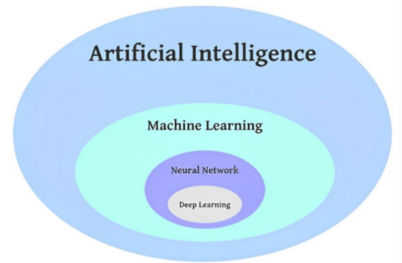
Medical AI Medical AI, characterized by the application of artificial intelligence in healthcare, primarily involves using computer technology for clinical diag- nosis and treatment recommendations (Szolovits et al., 1988). Machine Learning (ML) is one of AI’s crucial sub-domains in the disease detection process (Kumar et al., 2022; Ghaffar et al., 2023). Furthermore, neural net- works and Deep Learning (DL) constitute the fundamental sub-domains of ML (Fig. 1) (Ghaffar et al., 2023).
According to Bohr and Memarzadeh (2020), AI uses computers to simulate intelligent human behaviour, endowing them with human-like thought pro- cesses and programming them to replicate human behaviour. Consequently, AI can effectively mimic and augment human cognitive capabilities. This widespread implementation of artificial intelligence in healthcare has facil- itated improved availability of healthcare data and the rapid development of data analytics (Jiang et al., 2017).
Figure 1: Relationship among AI, ML, NN, and DL techniques (Ghaffar et al., 2023).
Artificial intelligence is commonly employed to tackle diverse healthcare challenges. The benefits of AI in healthcare include drug cross-checking, disease prediction and diagnosis, medical consultation, drug information
education, health data monitoring, and personalized services (Damiano, 2021).
ARTIFICIAL INTELLIGENCES IN MEDICATION MANAGEMENT Medication Management
Drug management and medical management are synonymous terms for med- ication management, a crucial process ensuring that patients receive proper treatment and minimizing drug-related hazards (Croatti et al., 2019; Ancker, 2015). In a broader sense, medication management encompasses formula- tion, prescription, purchase, storage, administration, and monitoring. This comprehensive approach necessitates robust collaboration within the health- care team to optimize patient medication outcomes (Shah et al., 2015; Wang, 2004). According to He (2020), medication management encompasses all patient and organizational actions related to medications, a perspective supported by Ancker, Shah, Wang, and Majeed-Ariss (2015). In the context of Alzheimer’s disease, medication management involves aspects such as adherence, devel- oping a thorough treatment plan, and individualized treatment approaches to enhance patient outcomes (Bassil and Grossberg, 2009).
Drug Development and Therapy Machine Learning (ML) plays a pivotal role in medication management. ML models trained on high-throughput screening data, which observe patient reactions to new drugs or therapeutic combinations, significantly contribute to achieving better treatment goals. Additionally, ML can expedite drug development by designing and constructing reverse synthetic compound routes (Nascimento et al., 2019; Sharma & Rani, 2020; Watson, 2019). In the context of Alzheimer’s, machine learning can predict patient progression and drug responses, aiding healthcare professionals in selecting and adjust- ing drug regimens to enhance therapeutic efficacy and patient care (Fabrizio et al., 2021; Vatansever et al., 2021).
Deep Learning (DL), a novel machine learning algorithm, is extensively employed in the drug discovery industry. Recent studies highlight its appli- cation in computerized picture data extraction, among other uses (Liang et al., 2020). DL algorithms, often based on extensive datasets, have also opened up new possibilities in drug repurposing. Venugopalan et al. (2021) demonstrated that deep learning can analyze brain imaging data, such as MRI scans, for early Alzheimer’s diagnosis and disease progression monitor- ing. This capability allows for the development of individualized treatment plans.
Precision Medicine Precision medicine employs individual patient characteristics and molecular data to inform disease diagnosis, prevention, and treatment. Artificial Intel- ligence (AI) focuses on genetic inheritance and environmental and lifestyle factors to identify practical approaches and tailor treatments (Subramanian
Artificial Intelligence in Medication Management for Alzheimer’s Patients in China 33
et al., 2020). In the medical field, precision therapy is frequently applied in anti-cancer drug development, tumour detection, and immunotherapy (Liang et al., 2020). The application of precision therapy in the pharmacological management of Alzheimer’s Disease (AD) patients holds significant potential.
EVALUATION OF THE CURRENT STATUS OF AI APPLICATION IN AD DISEASE TREATMENT Currently, the use of Artificial Intelligence (AI) in the AD treatment is expanding rapidly technology plays a crucial role in the process of early diagnosis and prediction of AD by analysing large-scale patient data, such as neuroimaging, biomarkers, and genetic information, to assist physicians in detecting early signs of AD (Fabrizio et al., 2021; El-Sappagh et al., 2023; Farooq et al., 2017). AI also has the potential to develop person- alised treatment plans, based on the patient’s condition, genotype, and lifestyle, which can improve treatment outcomes (Fabrizio et al., 2021; El Sappagh et al., 2023; Farooq et al., 2017). Moreover, AI provides innova- tive solutions for monitoring the condition, supplying medical knowledge, and facilitating patient self-management. Although AI extensively treats ado- lescent diseases, it is currently less prevalent in patient-centred medication management. Table 2 brings together more specific uses of AI in AD disease treatment.
Table 2. Application of AI in AD. A summary of relevant literature.
Table available in the original PDF paper.
Article Study/Information Healthcare Area Diagnosis and effect study Li et al., 2023 Natural Language Processing (NLP) techniques are used to predict or diagnose disease information
Drug Formulation and Treatment
Aggarwal, 2018 Utilising DL concentrate on the extraction of valid information from images and a variety of algorithmic models utilising DL will be helped for the treatment. Vamathevan et al., 2019, Qian et al., 2019
Combining high-throughput techniques and deep learning with AI in drug development has led to more accurate drug development
Feil-seifer and Matari, 2005
Socially Assistive Robot (SAR) to assist human users through social interaction and help patients and their families with drug management
Precision medicine
ML and AI-based platforms have enabled more precise disease prediction structures.
Patient Assistance(Nursing Robots in AD Caring and Drug Management) Esteva et al., 2017; Bejnordi et al., 2017; Bello et al., 2019
CHALLENGES AND FUTURE DIRECTIONS FOR AI IN AD MEDICATION MANAGEMENT The Role of AI in Improving Doctor-Patient Communication in the AD Treatment
AI has emerged as a significant driving force in the healthcare industry, progressively integrating into healthcare advancements and medical diag- nostic innovations (Kubassova et al., 2021; Kermany et al., 2018). The doctor-patient relationship has transcended traditional interactions between physicians and patients due to the application of AI tools (Ichkiti et al., 2023). While incorporating artificial intelligence in medicine has propelled modern healthcare, it has also prompted concerns related to medical ethics, particularly the trust within the doctor-patient relationship (Kaptchuk and Miller, 2015; Reddy, 2018). Kumar and Chattu (2018) emphasize the need to prioritize the “human” aspect of the doctor-patient relationship in this transformative process—the essence of the “human” condition.
For accurate disease diagnosis and effective patient advocacy, maximiz- ing patient participation in healthcare is essential (Kubassova et al., 2021). The research by Kumar and Chattu (2018) highlights the significance of considering an individual’s reasoning, desires, feelings, and needs in treat- ing their illnesses, encapsulated in patient-centred care (Hickmann et al., 2022; Robinson et al., 2008). Patient-centeredness involves a range of atti- tudes towards patients and self-reflection on the part of physicians regarding their medical competence (Hickmann et al., 2022). Robinson et al. (2008) noted that patient-centred interactions could effectively promote treatment adherence and assist patients with medication management.
Challenges Artificial intelligence has become a dominant force in healthcare, propelled by rapid advancements in information technology (Reddy et al., 2019). While AI holds enormous potential for enhancing patient care and healthcare pro- cesses, the future of AI in healthcare is still evolving, shaped by ethical and moral considerations such as privacy, doctor’s rights and obligations, and issues related to data bias.
Data bias emerges as a significant challenge for AI in healthcare (Reddy, 2018). Training AI models require extensive health data, making them sus- ceptible to privacy concerns and challenges in data management and sharing (Safavi and Kalis, 2020; Rigby, 2019). Patient healthcare data, encompassing personal information, needs to be improved in distribution and management across databases (Das et al., 2012). As a result, development companies must adhere to stringent privacy regulations, potentially hindering AI development (Singh et al., 2020).
In traditional healthcare, patients trust doctors (Kaptchuk and Miller, 2015). This doctor-patient trust is crucial as it enhances the effectiveness of therapeutic care (Kaptchuk and Miller, 2015). Reddy (2018) argues that trust in the doctor-patient relationship may be compromised if AI exces- sively interferes with therapeutic care or if it starts replacing doctors partially.
Artificial Intelligence in Medication Management for Alzheimer’s Patients in China 35
Hence, trust becomes paramount in this evolving interaction between AI tech- nologies, healthcare systems, and patients (Lupton, 2018). Establishing new ethical boundaries for AI is imperative.
CONCLUSION
This study examined drug adherence and Alzheimer’s disease therapy. Research findings indicate that multiple therapy characteristics significantly influence drug adherence in Alzheimer’s patients. Notably, the existing lit- erature on Alzheimer’s drug adherence often lacks the identification of fundamental causes and patient requirements. Further research is essential to address medication adherence issues among Chinese Alzheimer’s patients.
In the second aspect, the literature was analyzed to understand the potential and limitations of Artificial Intelligence (AI) in Alzheimer’s drug management. AI in drug management can enhance doctor-patient communi- cation, assisting patients in understanding treatment alternatives and adverse effects. However, the study revealed that the potential of AI in Alzheimer’s medication management is still under exploration.
This study aims to assist family member management in exploring factors affecting medication adherence in AD patients through the literature review. It also explores the current status of AI-based research and promotion of patient-centred medication management. Future studies will combine mix research method to explore the most critical medication adherence factors in Chinese Alzheimer’s disease patients and propose medication adherence strategies based on the key parameters and artificial intelligence.
REFERENCES
Agatonovic-Kustrin S, Beresford R. (2020). Basic concepts of artificial neural network (ANN) modeling and its application in pharmaceutical research. Journal of pharmaceutical and biomedical analysis, 22(5), pp. 717–727. Ancker J S, Witteman H O, Hafeez B, Provencher T, Van de Graaf M, Wei E. (2015).
The invisible work of personal health information management among people with multiple chronic conditions: qualitative interview study among patients and providers. Journal of medical Internet research, 17(6), p. 137. Ballard C, Gauthier S, Corbett A, Brayne C, Aarsland D, Jones E. (2011). Alzheimer’s disease. The Lancet, 377(9770), pp. 1019–1031. Bassil N, Grossberg G T. (2009). Novel regimens and delivery systems in the
pharmacological treatment of Alzheimer’s disease. CNS drugs, 23, pp. 293–307. Baskin I I. (2020). The power of deep learning to ligand-based novel drug discovery.
Expert opinion on drug discovery, 15(7), pp. 755–764. Bohr A, Memarzadeh K. (2020). The rise of artificial intelligence in healthcare applications. In Artificial Intelligence in healthcare, pp. 25–60. Burnier M. (2000). Long-term compliance with antihypertensive therapy: Another
facet of chronotherapeutics in hypertension. Blood pressure monitoring, 5, pp. S31–S34. Croatti A, Montagna S, Ricci A, Gamberini E, Albarello V, Agnoletti V. (2019).
BDI personal medical assistant agents: The case of trauma tracking and alerting. Artificial intelligence in medicine, 96, pp. 187–197.
Damiano L. (2021). Homes as human–robot ecologies: An epistemological inquiry on the “domestication” of robots. In The Home in the Digital Age, pp. 80–102. Elmansy, R. and English, S. (2023). Implementing Evidence-Based Design to Improve
Adherence in Self-Administered Treatment Technology. Design Management Journal, 18(1), pp. 63–86. Fabrizio C, Termine A, Caltagirone C, Sancesario G. (2021). Artificial intelligence for Alzheimer’s disease: promise or challenge?. Diagnostics, 11(8), p. 1473. Farooq A, Anwar S, Awais M, Alnowami M. (2017). Artificial intelligence based
smart diagnosis of Alzheimer’s disease and mild cognitive impairment. In: Inter- national Smart Cities Conference (ISC2), pp. 1–4. Grabher B J. (2018). Effects of Alzheimer disease on patients and their family. Journal of nuclear medicine technology, 46(4), pp. 335–340. Goecks J, Jalili V, Heiser L M, Gray J W. (2020). How machine learning will
transform biomedicine. Cell, 181(1), pp. 92–101. Gómez-Isla T, Price J L, McKeel Jr D W, Morris J C, Growdon, J H, Hyman B T.
(1996). Profound loss of layer II entorhinal cortex neurons occurs in very mild Alzheimer’s disease. Journal of Neuroscience, 16(14), pp. 4491–4500. Ghaffar Nia N, Kaplanoglu E, Nasab A. (2023). Evaluation of artificial intelligence techniques in disease diagnosis and prediction. Discover Artificial Intelligence, 3(1), p. 5. Hamet P, Tremblay J. (2017). Artificial intelligence in medicine. Metabolism, 69,
pp. 36–40. Haynes R B, Taylor D W, Sackett D L. (1979). Adherence in health care. Baltimore and London: Johns Hopkins University Press 1979, p. 516. Hickmann E, Richter P, Schlieter H. (2022). All together now–patient engagement,
patient empowerment, and associated terms in personal healthcare. BMC health services research, 22(1), pp. 1–11. Hoppe N, Härting R C, Rahmel A. (2023). Potential Benefits of Artificial Intelligence in Healthcare. In Artificial Intelligence and Machine Learning for Healthcare, pp. 225–249. Holzinger A, Langs G, Denk H, Zatloukal K, Müller H. (2019). Causability
and explainability of artificial intelligence in medicine. Wiley Interdisciplinary Reviews: Data Mining and Knowledge Discovery, 9(4), p. 1312. Ichkiti V, Zhang Z, Nandhakumar J. (2023). Exploring the interplay between ai algorithms, doctor, and patient in the healthcare context. Janiesch C, Zschech P, Heinrich K. (2021). Machine learning and deep learning.
Electronic Markets, 31(3), pp. 685–695. Jalbert J J, Daiello L A, Lapane K L. (2008). Dementia of the Alzheimer type.
Epidemiologic reviews, 30(1), pp. 15–34. Jiang F, Jiang Y, Zhi H, Dong Y, Li H, Ma S,..., Wang Y. (2017). Artificial intelligence in healthcare: past, present and future. Stroke and vascular neurology, 2(4). Jimmy B, Jose J. (2011). Patient medication adherence: measures in daily practice.
Oman medical journal, 26(3), p. 155. Kadurin A, Aliper A, Kazennov A, Mamoshina P, Vanhaelen Q, Khrabrov K, Zhavoronkov A. (2017). The cornucopia of meaningful leads: Applying deep adversarial autoencoders for new molecule development in oncology. Oncotarget, 8(7), p. 10883. Kaptchuk T, Miller F. (2015). Placebo Effects in Medicine. New England Journal of
Medicine, 373, pp. 8–9.
Artificial Intelligence in Medication Management for Alzheimer’s Patients in China 37
Kermany D S, Goldbaum M, Cai W, Valentim C C, Liang H, Baxter S L,..., Zhang K.
(2018). Identifying medical diagnoses and treatable diseases by image-based deep learning. Cell, 172(5), pp. 1122–1131. Kubassova O, Shaikh F, Melus C, Mahler M. (2021). History, current status, and future directions of artificial intelligence. Precision Medicine and Artificial Intelligenc, pp. 1–38. Kumar R, Chattu V K. (2018). What is in the name? Understanding terminologies of
patient-centered, person-centered, and patient-directed care! Fam Med Prim Care, 7, pp. 487–488. Lam W Y, Fresco P. (2015). Medication adherence measures: an overview. BioMed research international. Liang G, Fan W, Luo H, Zhu X. (2020). The emerging roles of artificial intelligence in
cancer drug development and precision therapy. Biomedicine & Pharmacotherapy, 128, p. 110255. Leupkar R V. (1971). Patient adherence: A ‘risk factor’ for cardiovascular disease.
The Framington Study, 215, pp. 1617–1625. Majeed-Ariss R, Baildam E, Campbell M, Chieng A, Fallon D, Hall A,..., Swallow V.
(2015). Apps and adolescents: A systematic review of adolescents’ use of mobile phone and tablet apps that support personal management of their chronic or long- term physical conditions. Journal of medical Internet research, 17(12), p. 287. McCarthy A. (2020). Molecular Diagnostics at the Heart of Precision Medicine: Encompassing testing technologies such as PCR, NGS, and liquid biopsies, the field of molecular diagnostics provides clinicians with actionable information to inform medication prescribing and treatments ranging from cancer to infectious diseases. Clinical OMICs, 7(S1), pp. 20–23. Meichenbaum D, Turk D C. (1987). Facilitating treatment adherence: A practitioner’s
guidebook. Plenum Press. Meng Q, Lin M S, Tzeng I S. (2020). Relationship between exercise and Alzheimer’s disease: A narrative literature review. Frontiers in neuroscience, 14, p. 131. Mintz Y, Brodie R. (2019). Introduction to artificial intelligence in medicine. Mini-
mally Invasive Therapy & Allied Technologies, 28(2), pp. 73–81. Muñoz-Contreras M C, Segarra I, López-Román F J, Galera R N, Cerdá B.
(2022). Role of caregivers on medication adherence management in polymedi- cated patients with Alzheimer’s disease or other types of dementia. Frontiers in Public Health, 10, p. 987936. Nascimento A C, Prudêncio R B, Costa I G. (2019). A drug-target network-based supervised machine learning repurposing method allowing the use of multiple het- erogeneous information sources. Computational Methods for Drug Repurposing, pp. 281–289. Ngiam K Y, Khor W. (2019). Big data and machine learning algorithms for health-
care delivery. The Lancet Oncology, 20(5), pp. 262–273. Obschonka M, Audretsch D B. (2020). Artificial intelligence and big data in entrepreneurship: a new era has begun. Small Bus. Econ, 55(3), pp. 529–539. Oyebode O, Fowles J, Steeves D, Orji R. (2023). Machine learning techniques in
adaptive and personalized systems for health and wellness. International Journal of Human–Computer Interaction, 39(9, pp. 1938–1962. Paes A H, Bakker A, Soe-Agnie C J. (1997). Impact of dosage frequency on patient compliance. Diabetes care, 20(10), pp. 1512–1517. Praska J L, Kripalani S, Seright A L, Jacobson T A. (2005). Identifying and assisting
low-literacy patients with medication use: A survey of community pharmacies. Annals of Pharmacotherapy, 39(9), pp. 1441–1445.
Razzak M I, Naz S, Zaib A. (2018). Deep learning for medical image processing: Overview, challenges and the future. Classification in BioApps: Automation of Decision Making, pp. 323–350. Rasmussen J, Langerman H. (2019). Alzheimer’s disease–why we need early diagno-
sis. Degenerative neurological and neuromuscular disease, pp. 123–130. Rajiah K, Maharajan M K, Yeen S J, Lew S. (2017). Quality of life and caregivers’ burden of Parkinson’s disease. Neuroepidemiology, 48, pp. 131–137. Reddy S. (2018). Use of artificial intelligence in healthcare delivery. In eHealth-
making health care smarter. IntechOpen. Robinson J H, Callister L C, Berry J A, Dearing K A. Patient-centered care and adherence: definitions and applications to improve outcomes. Am Acad Nurse Pract, 20, pp. 601–607. Rodondi N, Peng T, Karter A J, Bauer D C, Vittinghoff E, Tang S,..., Selby J
V. (2006). Therapy modifications in response to poorly controlled hyperten- sion, dyslipidemia, and diabetes mellitus. Annals of internal medicine, 144(7), pp. 475–484. Roy S, Reang T. (2018). Adherence to Treatment Among Type 2 Diabetes Patients Attending Tertiary Care Hospital in Agartala City - A Cross-Sectional Study. Jour- nal of Evolution of Medical and Dental Sciences-JEMDS, 7(10), pp. 1223–1227. Sackett D L, Snow J C, Haynes R B, Taylor D W. (1979). Compliance in health care.
Can Med Assoc, 121(11): 1495–1496. Shen D, Wu G, Suk H I. (2017). Deep learning in medical image analysis. Annual review of biomedical engineering, 19, pp. 221–248. Shah S G S, Fitton R, Hannan A, Fisher B, Young T, Barnett J. (2015). Accessing
personal medical records online: A means to what ends?. International journal of medical informatics, 84(2), pp. 111–118. Simon A B,Vitzthum L K,Mell L K.(2020). Challenge of directly comparing imagingbased diagnoses made by machine learning algorithms with those made by human clinicians. Journal of Clinical Oncology, 38(16), p.1868. Sharma A, Rani R. (2020). Ensembled machine learning framework for drug
sensitivity prediction. IET Systems Biology, 14(1), pp. 39–46. Stokes J M, Yang K, Swanson K, Jin W, Cubillos-Ruiz A, Donghia N M,..., Collins J J. (2020). A deep learning approach to antibiotic discovery. Cell, 180(4), pp. 688–702. Sun Z K, Yang H Q, Chen S D. (2013). Traditional Chinese medicine: A promising
candidate for the treatment of Alzheimer’s disease. Translational neurodegenera- tion, 2(1), pp. 1–7. Subramanian M, Wojtusciszyn A, Favre L, Boughorbel S, Shan J, Letaief K B, Chouchane L. Precision medicine in the era of artificial intelligence: Implications in chronic. Svarstad B. (1976). Physician-patient communication and patient conformity with
medical advice. The growth of bureaucratic medicine. Szolovits P, Patil R S, Schwartz W B. (1988). Artificial intelligence in medical diagnosis. Annals of internal medicine, 108(1), pp. 80–87. Tarn D M, Heritage J, Paterniti D A, Hays R D, Kravitz R L, Wenger N S. (2006).
Physician communication when prescribing new medications. Archives of internal medicine, 166(17), pp. 1855–1862. Tian J Z, Shi J, Miao Y C. (2009). The prevalence of Alzheimer’s disease and its impacts on public health. Journal of Hubei College of TCM, 11, p. 3Y7.
Artificial Intelligence in Medication Management for Alzheimer’s Patients in China 39
Watson O P, Cortes-Ciriano I, Taylor A R, Watson J A. (2019). A decision-theoretic approach to the evaluation of machine learning algorithms in computational drug discovery. Bioinformatics, 35(22), pp. 4656–4663. Wancata J, Musalek M, Alexandrowicz R, Krautgartner M. (2003). Number of
dementia sufferers in Europe between the years 2000 and 2050. European Psychiatry, 18(6), pp. 306–313. Wang M, Lau C, Matsen F A, Kim Y. (2004). Personal health information management system and its application in referral management. IEEE Transactions on Information Technology in Biomedicine, 8(3), pp. 287–297. Weller J, Budson, A. (2018). Current understanding of Alzheimer’s disease diagnosis
and treatment. F1000 research, 7, p. 1161. Wu T Y, Chen C P, Jinn T R. (2011). Traditional Chinese medicines and Alzheimer’s disease. Taiwanese Journal of Obstetrics and Gynecology, 50(2), pp. 131–135. Weingarten S R, Stone E, Green A, Pelter M, Nessim S, Huang H, Kristopaitis R.
(1995). A study of patient satisfaction and adherence to preventive care practice guidelines. The American journal of medicine, 99(6), pp. 590–596. Vatansever S, Schlessinger A, Wacker D, Kaniskan H Ü, Jin J, Zhou M M, Zhang B.
(2021). Artificial intelligence and machine learning-aided drug discovery in cen- tral nervous system diseases: State-of-the-arts and future directions. Medicinal research reviews, 41(3), pp. 1427–1473. Venugopalan J, Tong L, Hassanzadeh H R, Wang M D. (2021). Multimodal deep learning models for early detection of Alzheimer’s disease stage. Scientific reports, 11(1), p. 3254. Xia X, Gong J, Hao W, Yang T, Lin Y, Wang S, Peng W. (2020). Comparison and
fusion of deep learning and radiomics features of ground-glass nodules to predict the invasiveness risk of stage-I lung adenocarcinomas in CT scan. Frontiers in oncology, 10, p. 418. Zhang Y, Li Y, Ma L. (2020). Recent advances in research on Alzheimer’s disease in China. Journal of Clinical Neuroscience, 81, pp. 43–46.
LISTED IN THE AHFE DIGITAL BOOKSTORE CATALOGUE
Explore the complete digital volume
Healthcare and Medical Devices
Read this individual research paper free through the original publisher, or explore the full digital proceedings book.
ISBN 978-1-964867-06-9
Explore this ISBN in the AHFE Bookstore ↗Listed in the July 2026 bookstore catalogue; search by ISBN to confirm current availability · Digital book purchase optional