Yuequn zhang, Xiaotong Wu (2026). Innovation Pathways in Cultural and Creative Product Design:An Emotional Design Perspective Based on the Palace Museum. In: Affective and Pleasurable Design. AHFE Open Access, vol. 204, pp. 186–196. https://doi.org/10.54941/ahfe1007344
In the context of global cultural consumption upgrading and the rise of the emotional economy, traditional museum cultural and creative products face growing challenges in engaging contemporary audiences. Current academic research predominantly emphasizes the visual translation of cultural symbols, yet remains insufficiently attentive to users’deeper emotional engagement and affective connections. To address this issue, a strategic shift toward "emotional empowerment" has become essential. This study draws upon Donald Norman’s three-level theory of emotional design and adopts the Palace Museum’s cultural and creative products as a representative case study. It investigates how strategic design interventions facilitate users’ emotional progression—from initial sensory experience to sustained cultural identification. The study proposes an integrated emotional design framework structured across three interrelated levels: instinctive, behavioral, and reflective. At the instinctive level, visual appeal is enhanced through contemporary reinterpretation of traditional motifs; at the behavioral level, usability and interactive engagement are strengthened to support functional satisfaction; and at the reflective level, cultural metaphors and narrative depth are leveraged to cultivate users’ sense of belonging and cultural resonance. Collectively, this framework establishes a coherent, sequential pathway:“visual attraction—deepened experiential engagement—spiritual resonance”,thereby offering systematic, theory-informed design guidance for museum cultural products to evolve from object-centered storytelling toward meaningful, emotionally grounded user connections.
With the advancement of cultural consumption and the emergence of the emotional economy, the cultural and creative products (CCP) industry is undergoing dynamic growth. UNESCO defines cultural and creative products as “consumer goods that express creativity, ideas, symbols, and lifestyles,” underscoring their centrality to creative expression and their integral role in everyday life (Yang Junjun, 2025). As a key subcategory of CCPs, museum- based cultural and creative products currently face critical developmental constraints particularly the need to evolve beyond the literal translation Received February 6, 2026; Revised March 31, 2026; Accepted April 14, 2026; Available online July 20, 2026
Innovation Pathways in Cultural and Creative Product Design 187 of cultural symbols toward meaningful emotional empowerment. Existing scholarship has inadequately examined the affective dimensions embedded in such products, thereby falling short of meeting consumers’ growing demand for emotional resonance and value. Against this backdrop, this study draws upon emotional design theory to investigate innovative pathways for the development of museum cultural and creative products.
OVERVIEW OF MUSEUM CULTURAL AND CREATIVE PRODUCTS Overview of Museum Cultural and Creative Products
Within the global cultural economy, the cultural and creative industries play a pivotal role in driving economic growth. Cultural and creative products are widely leveraged across nations to advance both economic development and cultural vitality. For instance, Japan’s cultural exports prominently integrate traditional motifs—such as cherry blossoms and samurai imagery—into contemporary design (Davies & Christie, 2017); French creative products are distinguished by their high brand recognizability and strong cultural distinctiveness (Minge & Thüring, 2018); and in the United States, museum- based cultural and creative products have emerged as a key factor in enhancing public engagement and attracting visitors to cultural institutions (Kruusimagi et al., 2017).
Museum cultural and creative products refer to goods or services rooted in tangible and intangible cultural heritage, centered on innovative design, and synthesizing elements of art, fashion, technology, and other interdisciplinary domains (Liu Anbing, 2025). As a vital subset of the broader cultural and creative product ecosystem, museum-derived offerings not only embody the core cultural values and narratives of museums but also revitalize historical artifacts through creative reinterpretation—seamlessly integrating them into everyday life and thereby amplifying the reach and resonance of museum culture.
Current Status of Museum Cultural and Creative Products In the museum-based cultural and creative industries, European and American countries possess a longer-established tradition of integrating museum collections and associated cultural content into the design of industrial derivative products. As early as the Victorian era, British industrial design began systematically incorporating artifacts and related cultural narratives from museum holdings into commercial product development (Yang Junjun, 2025). With the evolution of the global consumer economy, however, museum-derived cultural products have encountered numerous developmental challenges.
First, public aesthetic sensibilities have evolved significantly over time; consumers are no longer satisfied with cultural products that merely reproduce relic imagery in a literal or superficial manner. Instead, they increasingly favor items imbued with emotional resonance or endowed with practical utility.
Second, in developing cultural and creative products, many museums tend to overlook in-depth research into regional cultural heritage and fail
188 Zhang and Wu to effectively articulate distinctive local identities. For instance, the Jiangxi Provincial Museum (China) exemplifies this issue: its cultural and creative offerings exhibit pronounced homogeneity. Local cultural elements are applied in a largely perfunctory manner, with insufficient scholarly refinement or contextual interpretation—resulting in low cultural recognition and indistinct regional character. This not only constrains the products’ cultural value and market competitiveness but also hinders their ability to meet growing consumer demand for personalized, identity-driven, and culturally authentic goods (Chen Liang, 2025).
Finally, certain cultural products place excessive emphasis on formal and visual innovation while neglecting rigorous interpretation and meaningful communication of the underlying cultural connotations. Consequently, such products often lack substantive cultural depth and enduring appeal.
Cultural and Creative Products of the Palace Museum As the imperial palace of the Ming and Qing dynasties, the Forbidden City embodies the quintessential elements of court culture within the broader framework of Chinese civilization. The cultural and creative products developed by the Palace Museum—located within the Forbidden City—are emblematic of China’s cultural and creative industry. By seamlessly integrating outstanding traditional Chinese cultural elements with contemporary design principles, these products present intangible cultural heritage in innovative, vivid, and visually compelling forms. This approach not only enhances public awareness and appreciation of the Palace Museum but also pioneers new pathways for the inheritance, revitalization, and sustainable development of China’s fine traditional culture.
The Palace Museum’s cultural and creative offerings are distinguished by their conceptual innovation and stylistic diversity, enabling them to resonate more effectively with the emotional and aesthetic sensibilities of modern consumers. Through a distinctly contemporary design language, they reinterpret traditional cultural motifs thereby reinforcing users’ sense of cultural identity while simultaneously advancing the broader mission of cultural dissemination and engagement.
OVERVIEW OF EMOTIONAL DESIGN Emotional design seeks to elicit positive emotional responses from users through deliberate design strategies, thereby enhancing product appeal and fostering deeper user engagement (Li et al., 2025). The theoretical foundation of emotional design was first articulated by cognitive psychologist Donald A. Norman in his seminal work “Emotional Design”, where he posits that “cognition provides meaning, and emotion provides value” (Norman, 2006). This principle constitutes the conceptual core of the book. Drawing on this premise, Norman delineates emotional design into three interrelated levels: the instinctive level, the behavioral level, and the reflective level. At the visceral level, design emphasizes immediate, pre-cognitive sensory impressions such as form, color, texture, and material eliciting intuitive and
Innovation Pathways in Cultural and Creative Product Design 189 automatic emotional reactions upon initial user contact, without requiring conscious deliberation. For instance, color design can foster product differentiation and diversification through strategic color combinations— thereby addressing the emotional needs and preferences of diverse user groups—without altering the product’s core functionality (Ding & Bai, 2019). In contrast, behavioral-level design centers on user experience, prioritizing functional efficacy and the quality of interaction throughout the usage process. It demands that design considerations integrate both practicality and interactivity, enabling users to enhance operational efficiency or achieve seamless, intuitive experiences during use, while simultaneously fulfilling emotional needs and fostering a deeper emotional connection with the product. Reflective-level design, representing the highest tier of emotional design, seeks to establish enduring emotional bonds between the user and the product, facilitating meaningful emotional resonance throughout the usage experience.
THE EMBODIMENT OF EMOTIONAL DESIGN IN CULTURAL AND CREATIVE PRODUCTS: A CASE STUDY OF THE PALACE MUSEUM’S CULTURAL PRODUCTS This study selects the Palace Museum as its core case—a decision grounded in a systematic literature review and analysis. During preliminary investigations, over ten relevant scholarly articles were retrieved and analyzed using key search terms including “museum cultural and creative products,” “emotional design,” and “cultural consumption”; notably, more than half of these studies focused specifically on the Palace Museum’s cultural and creative offerings.
As a quintessential representative in the cultural and creative sector, the Palace Museum systematically extracts design elements, interprets symbolic meanings, and re-imagines forms drawn from its extensive collection—thereby integrating profound cultural heritage into a diverse range of cultural products. For instance, its jewelry collection draws inspiration from traditional auspicious beasts, while its everyday essentials line reinterprets motifs and aesthetics from the iconic painting“A Panorama of Rivers and Mountains”. These product lines successfully harmonize classical elegance with contemporary sensibility. Not only do such designs resonate with the aesthetic preferences of today’s consumers, but they also subtly communicate the distinctive allure of Chinese culture, exemplifying all three levels of emotional design. This article analyzes the Palace Museum’s design practice through the lens of the three-level theory of emotional design, substantiated by concrete case studies of its cultural products.
Instinctive Level In instinctive-level design, the Palace Museum’s cultural products emphasize the strategic use of visual elements—including color, form, and material— to engage consumers’ sensory perceptions and thereby elicit emotional
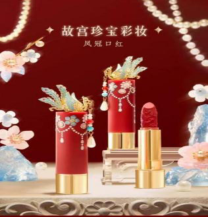
190 Zhang and Wu resonance. A representative example is the “Phoenix Crown Lipstick” from the Palace Museum’s cosmetics collection (see Figure 1). Its exterior design is inspired by the “Three Dragons and Two Phoenixes Crown” worn by Empress Xiaojing of the Ming Dynasty. The design team carefully selected and adapted iconic motifs from the original crown, such as dragons, phoenixes, and pearls, and seamlessly integrated them into the lipstick’s structural and aesthetic form. For color coordination, the team drew inspiration from the crown’s rich, historically authentic palette—particularly its vivid turquoise blue and lustrous golden yellow—while refining these hues to align with contemporary aesthetic sensibilities without compromising classical elegance. This approach not only enhances the product’s visual appeal and broad market resonance, effectively capturing consumer attention, but also enables users to engage meaningfully with the distinctive allure of traditional Chinese culture throughout everyday use.
Figure 1: Palace museum phoenix crown lipstick (2025).
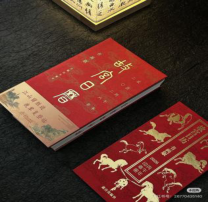
Behavioral Level In behavioral-level design, the Palace Museum’s cultural products prioritize interactivity and practical functionality, effectively meeting users’ everyday needs while delivering distinctive, engaging user experiences. Take, for instance, the Palace Museum Calendar (illustrated in Figure 2): this product thoughtfully integrates iconic Palace Museum motifs and profound cultural narratives without compromising its core calendrical utility. Each month showcases a different artifact from the Museum’s collection, complemented by professionally curated audio explanations and augmented reality (AR) animations. As users consult the calendar for date-related information, they organically absorb rich cultural content embedded within the design, thereby deepening their understanding of, and connection to, traditional Chinese culture. The incorporation of AR animation further narrows the experiential gap between historical relics and contemporary audiences, enabling an immersive, interactive encounter. Such human-centered design strategies substantially elevate the cultural value proposition of the product, reinforcing its functional integrity while amplifying the appeal and efficacy of cultural communication, and ultimately fostering stronger emotional resonance among users.
Figure 2: Palace museum cultural and creative calendar (2026).
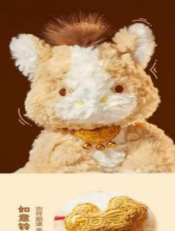
Reflective Level In reflective-level design, the Palace Museum’s cultural products predominantly employ cultural metaphors to imbue them with profound cultural connotations and emotional resonance. For instance, the “New Year Lucky Horse”–themed cultural product launched by the Palace Museum (see Figure 3) draws its design inspiration from relevant artifacts in the Museum’s collection. The visual motif—a small horse carrying a “FU” (blessing) pouch— conveys auspicious symbolism, not only vividly evoking traditional cultural imagery but also enabling users to experience the emotional resonance of “good fortune, happiness, and well-being” during everyday use, thereby fostering a sense of intimacy with and affection for traditional culture.
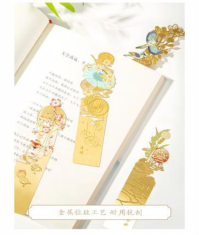
Similarly, the Twenty-Four Solar Terms–themed cultural bookmarks (see Figure 4) exemplify this same design philosophy. Each bookmark features a distinctive pattern corresponding to a specific solar term. Through carefully calibrated cultural metaphors, users intuitively grasp the cultural significance of each solar term during use, gaining appreciation for the ancients’ sophisticated understanding of time and their holistic life philosophy. This approach transcends mere knowledge transmission: it actively cultivates users’ cultural identity and pride, thereby eliciting deep and enduring emotional engagement with China’s intangible cultural heritage.
Figure 3: The little lucky horse of the palace museum (2026).Figure 4: Twenty-character solar terms creative bookmarks (2024).
THE EMOTIONAL DESIGN INNOVATION PATH FOR CULTURAL AND CREATIVE PRODUCTS Based on a case study of the Palace Museum’s cultural and creative products, and integrated with the three-layer theory of emotional design, this paper proposes a design innovation pathway for museum-based cultural and creative products.
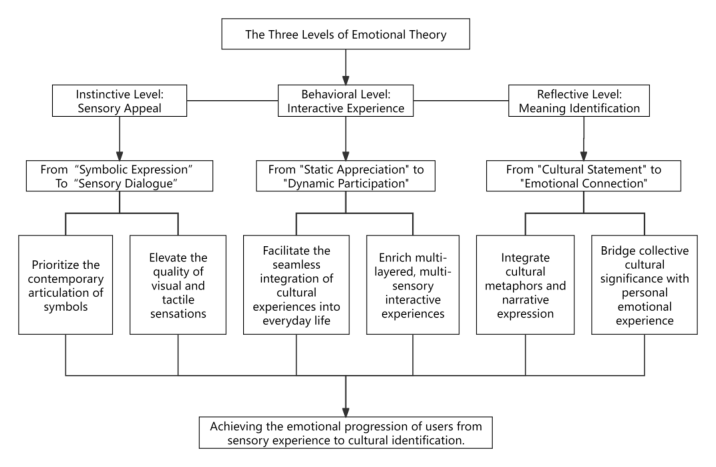
Instinctive Level: From “Symbolic Expression” to “Sensory Dialogue” Norman observes that the richer the sensory experience consumers receive at the instinctive level, the more readily their psychological and emotional responses are evoked. Emotion constitutes one of the pivotal determinants shaping differentiated user experiences (Xinyan et al., 2023). Sensory experience centers on the intuitive communication of cultural connotations through design elements, including patterns, colors, and materials, thereby facilitating consumers’ direct engagement with and comprehension of tangible cultural meanings (Xia et al., 2026). Within instinctive-level emotional design for cultural and creative products, the core objective lies in the visual reinterpretation and contemporary articulation of traditional cultural symbols.
(1) Prioritize the contemporary articulation of symbols. Designers should conduct in-depth research into culturally emblematic elements, such as architectural silhouettes, artifact motifs, and historical figures, while deliberately avoiding literal or static replication of antiquated forms. Instead, they should harness modern design methodologies to distill, reinterpret, and reconstruct traditional symbols, embedding them into cultural products through innovative instinct expressions. This approach not only elicits immediate visceral emotional responses but also invites users to actively explore and internalize the underlying cultural significance. (2) Elevate the quality of visual and tactile sensations. Designers may
synergize advanced materials with time-honored craftsmanship, either reinterpreting traditional culture through cutting-edge techniques or infusing contemporary aesthetics with artisanal methods. The resulting products thus embody both profound cultural resonance and functional durability. Such thoughtfully crafted designs captivate users through
Innovation Pathways in Cultural and Creative Product Design 193 distinctive sensory appeal, thereby establishing an initial, meaningful emotional bond between users and artifacts.
Behavioral Level: From “Static Appreciation” to “Dynamic Participation” In the emotional design process, designers should begin by thoroughly understanding consumers’ actual usage needs and incorporate human-centered functionalities through thoughtful design, thereby enabling users to derive pleasurable, meaningful experiences during product interaction (Li et al., 2025). Consequently, innovation at the behavioral level of emotional design for cultural and creative products centers on the strategic integration of functional attributes and the optimization of interactive user experiences.
(1) Facilitate the seamless integration of cultural experiences into everyday life. Designers must conduct rigorous, user-centered research into behavioral patterns and contextual needs, thoughtfully embedding traditional cultural elements within authentic usage scenarios. This approach achieves an optimal balance between cultural expression and functional utility, allowing cultural connotations to permeate the user journey organically, and enabling users to absorb cultural meaning intuitively and unobtrusively. (2) Enrich multi-layered, multi-sensory interactive experiences. Digital and
intelligent technologies open new avenues for engaging with cultural products. For instance, integrating AR-enabled QR codes allows users to scan a physical product and instantly access dynamic, context-aware interpretations of traditional motifs on their mobile devices, effectively bridging the virtual and physical realms. Such immersive, collaborative interactions transform static cultural representations into dynamic, participatory experiences, fostering emotional resonance during use. Beyond elevating engagement and enjoyment, this interactive paradigm cultivates personalized affective connections between users and cultural content, strengthening identification with, and emotional attachment to, cultural products, and thereby deepening affective interaction. When leveraging emerging technologies for cultural innovation, it is imperative to reinterpret heritage through contemporary design language while rigorously preserving the integrity and semantic coherence of traditional cultural symbol systems, thus ensuring both faithful transmission and innovative evolution of cultural value (Wu et al., 2025).
Reflective Level: From “Cultural Statement” to “Emotional Connection” Design at the reflective level for cultural and creative products can foster deeper spiritual connections between users and culture. This design approach seeks to evoke users’ emotional identification, transforming products into meaningful carriers of cultural metaphors, and thereby cultivating profound,
194 Zhang and Wu enduring associations between users and cultural heritage, while nurturing a genuine sense of cultural belonging.
(1) Integrate cultural metaphors and narrative expression. Thoroughly investigate the historical context and cultural narratives embedded in each product; identify key narrative nodes possessing strong emotional resonance or evocative potential; and translate these insights into tangible design language, seamlessly embedding them within the product’s form, structure, and detailing. In doing so, users intuitively perceive the layered cultural meaning while engaging with the product’s aesthetics and functionality. (2) Bridge collective cultural significance with personal emotional
experience. Align product design with pivotal life events, such as festivals, graduation ceremonies, birthday rituals, or with broader societal values, including nostalgia, sustainability, and intergenerational continuity. Position the product as a culturally resonant symbol through which users can articulate emotions and construct personal and communal identity. Guided by intentional design elements, users are invited to map their own lived experiences onto the product’s cultural connotations, generating robust emotional resonance and identification, reawakening deep-seated affective memories, and imbuing the product with distinctive emotional value. This process not only enriches users’ understanding of, and appreciation for, the culture embodied in the product, but also culminates in authentic, lasting emotional engagement.
Figure 5: Framework of innovative paths for creative products (2026).
As illustrated in Figure 5, the three levels of design are not discrete but must cohere into an organic whole. Exceptional products engage users at the
Innovation Pathways in Cultural and Creative Product Design 195 instinct level through compelling sensory forms; foster deeper engagement at the behavioral level via intuitive and meaningful interactive experiences; and ultimately resonate at the reflective level by connecting with cultural values and conveying profound spiritual significance, thereby completing a holistic emotional experience cycle that progresses seamlessly from “form” to “function” to “meaning.”
CONCLUSION
Museum-based cultural and creative products, examined through the lens of emotional design, hold substantial developmental potential. This study centers on cultural products developed by the Palace Museum and, grounded in Norman’s three-level theory of emotional design, systematically investigates their practical pathways for integrating traditional Chinese culture with contemporary design principles. It elucidates the underlying mechanisms through which users perceive and internalize cultural resonance during product interaction, thereby offering actionable insights for the design practice of cultural and creative products. From the perspective of cultural and creative design, the research conducts a comprehensive analysis across the visceral, behavioral, and reflective levels proposing novel, emotion-driven design strategies tailored to this domain. Future research could employ quantitative methodologies to further examine age-related variations in users’ emotional responses to cultural products, thus advancing the personalization, intelligence, and deep emotional engagement of such products. This evolution will continuously invigorate cultural inheritance and innovation.
The topic of this study (Putri et al., 2025) aligns closely with the AHFE 2026 conference theme “Affective and Pleasurable Design,” particularly in its dual emphasis on theoretical inquiry and applied practice within cultural and creative design.
ACKNOWLEDGMENT
This research was funded by the Tianjin Municipal Art Science Planning Key Project, Research on the Construction and Development of Tianjin’s “Mountains, Sea, Rivers, Buildings, and Lively Atmosphere” Cultural Tourism Belt (Project No.: B24002).
REFERENCES
Chen Liang. (2025). The current situation and prospects of cultural and Creative products in museums. Collection and investment, 16 (5), 138–140. Ding, M., & Bai, Z. (2019). Product color emotional design adaptive to product
shape feature variation. Color Research & Application, 44 (5), 811–823. Donald Arthur Norman. (2006). Emotional Design. Beijing: China CITIC Press.
pp. 52–70. Donald Arthur Norman. (2006). Emotional Design.Beijing: China CITIC Press.
pp. 52–70.
augmented/virtual reality applications and their impact on tourism experience. Tourism Management, 91, 104534. Kruusimagi, M., Sharples, S., & Robinson, D. (2017). Living with an autonomous spatiotemporal home heating system: Exploration of the user experiences (UX) through a longitudinal technology intervention-based mixed-methods approach. Applied Ergonomics, 65, 286–308. https://doi.org/10.1016/j.apergo.2017.06.017 Li, L., Liu, Y., & Zhang, S. (2025). The Application Boundaries and Optimization
of Emotional Design Theory in Products for the Elderly. Highlights in Art and Design, 12 (3), 66–69. https://doi.org/10.54097/wnnpvj50 Liu Anbing. (2025). The current situation and practical approaches of the Museum Cultural and Creative Market from the perspective of “National trend”. Museum Management, (5), 6–16. Minge, M. & Thuring M. (2018). Hedonic and pragmatic halo effects at early stages
of User Experience. International Journal of The Human - Computer Studies, 109, 13-25. https://doi.org/10.1016/j.ijhcs.2017.07.007 Putri, S. A., Arindiono, R. Y., Chasanah Nursyifani, C. U., Abednego, V. A., & Windaningsih. (2025). Augmented Reality Souvenirs for Immersive Cultural Tourism: A Case Study of Bendosari Tourism Village. Procedia Computer Science, The 10th International Conference on Computer Science and Computational Intelligence 2025, 269, 681-689. https://doi.org/10.1016/j.procs.2025.09.011 Wu, X., Dong, J., & Wu, L. (2025). Research on Cultural Transmission in AI-assisted
Cultural and Creative Product Design: A Semiotic Perspective. Journal of Social Science Studies, 12 (2), 103. https://doi.org/10.5296/jsss.v12i2.23211 Xia, J., Li, Y., He, Y., & Ma, K. (2026). How museum-based creative-product experiences shape cultural confidence via cultural cognition and cultural Identity. The Frontiers in tended, 16. https://doi.org/10.3389/fpsyg.2025.1742322 Xinyan, K., Hong, L., & Liu, H. (2023). Design strategies for museum digital games
based on emotional interaction. Affective and Pleasurable Design, 71 (71). Yang Junjun. (2025). Research on the Concepts and Strategies of Museum Cultural and Creative Development in the Context of High-Quality Development. Cultural relics appraisal and appreciation, (23), 48–51.
LISTED IN THE AHFE DIGITAL BOOKSTORE CATALOGUE
Explore the complete digital volume
Affective and Pleasurable Design
Read this individual research paper free through the original publisher, or explore the full digital proceedings book.
ISBN 978-1-964867-80-9
Explore this ISBN in the AHFE Bookstore ↗Listed in the July 2026 bookstore catalogue; search by ISBN to confirm current availability · Digital book purchase optional