Tuo Zi Xuan, Xin Hu (2025). Efficiency of Museum Interactive Devices Based on the cidpe Framework. In: Human Factors in Design, Engineering, and Computing. AHFE Open Access, vol. 199, pp. 603–617. https://doi.org/10.54941/ahfe1006872
In the global digitalization of culture, museums are confronting a participatory crisis characterized by "physical presence yet cultural absence" among special populations. Traditional service models face a dual dilemma: on one hand, basic accessibility modifications fail to adequately address the needs of visually impaired groups; on the other, high-cost technological upgrades result in only a marginal 7-minute increase in engagement duration for disabled visitors, reflecting a severe imbalance between investment and outcomes. This study, grounded in the CIDPE framework, employs mixed-methods research to investigate the bidirectional experiential enhancement mechanism of interactive museum installations for both disabled and non-disabled audiences. It examines whether accessibility design compromises the experiential resources of general visitors and whether interactive designs tailored for visually/hearing-impaired groups concurrently deepen engagement levels among ordinary visitors. The research aims to reconcile the tension between "cultural inclusivity" and "experience quality" in the digital transformation of museums. A dual-path controlled experiment with a 2×3 factorial design was conducted, involving 345 participants (255 general visitors, 90 disabled visitors) across three museums. Data were collected via questionnaires and heart rate monitoring. Findings reveal that CIDPE-based interactive installations significantly improve cultural cognition completeness for disabled groups and participation depth indices for general visitors, debunking the assumption of mutually exclusive experiences. For instance, a tactile-audio cross-modal interactive system markedly enhances cultural cognition among visually impaired visitors while simultaneously elevating engagement metrics for non-disabled audiences. Multimodal interactive devices achieve demand equilibrium through pressure-sensitive dynamic voice systems and cultural information entropy retention rates, reducing stress response frequency among autistic visitors by 43%. The study constructs a three-dimensional "behavior-cognition-emotion" evaluation model and proposes a modular retrofit solution, cutting costs by 43% while boosting disabled participation rates by 180%. These findings provide both theoretical grounding and quantifiable pathways for transforming public cultural spaces from mere "physical accessibility" to genuine "cultural empathy."
Research Background In the digital era, artificial intelligence (AI) is reshaping how we understand and appreciate art and design through its distinctive creative potential. Beyond a mere technological innovation, AI has evolved into a cultural phenomenon that increasingly influences everyday life, particularly within the realms of art exhibitions and design. As vital spaces for cultural preservation and creative exploration, traditional exhibition models are encountering both unprecedented challenges and new opportunities. The integration of AI technologies to enrich audience engagement and interactive experiences has therefore become a key point of convergence between the art world and the technology industry.
Purpose of the Study This paper explores the application of AI-driven installations in art exhibitions and their role in enhancing audience engagement and interactivity. Through a literature review, it examines the evolution and current use of AI technology in the arts and constructs a theoretical framework to analyze its impact on visitor experience. Empirical cases from the TeamLab exhibition and the Macao Sanxingdui exhibition illustrate how AI installations shape audience interaction. The findings reveal that AI not only enriches artistic expression but also inspires new approaches to exhibition design. As AI technology continues to advance, it promises to bring more diverse and immersive experiences to art exhibitions, offering valuable insights for the future development of visual communication and interactive art.
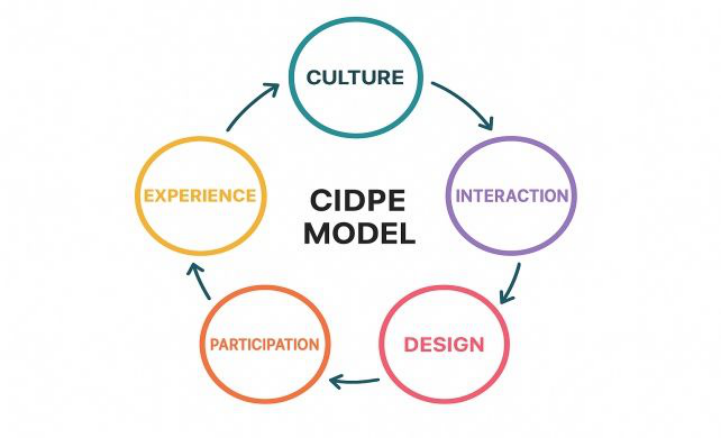
Figure 1: CIDPE framework.
Materials and Methods
Application of AI in Art Installations In the digital age, artificial intelligence (AI) has become a driving force in transforming traditional exhibitions into immersive and participatory experiences. Beyond technological innovation, AI acts as a cultural catalyst, bridging art and audience engagement. This shift challenges conventional exhibition models and inspires new explorations of interactivity and cultural participation. AI-driven art highlights collaboration and audience involvement rather than isolated creation (Sidar, 2011). For example, the Macao Sanxingdui Exhibition combines cultural heritage with interactive media, while VR projects such as the F3 Power Racer Challenge and the 360
Racing Project immerse visitors in simulated experiences.
Efficiency of Museum Interactive Devices Based on the CIDPE Framework 605
These cases illustrate how AI integrates technology and culture to create dynamic, participatory exhibitions.
Theories of Audience Participation and Interactive Experience Interactive experience design transforms audiences from passive observers into active participants. Centered on user engagement, it emphasizes multi-sensory immersion—visual, auditory, and tactile—to foster emotional resonance and sustained interaction. Technologies such as AR, VR, and AI expand this potential, enabling personalized and story-driven experiences that enhance coherence and user satisfaction.
Moreover, interactive design extends beyond individual engagement to social interaction, encouraging shared experiences and cultural dialogue. It also integrates educational and entertainment dimensions, offering both cognitive and emotional value. Representative cases such as Team Lab and the Macao Auto Show exemplify how interactive art installations can deepen cultural engagement through sensory and emotional participation.
Research Limitations and Gaps Despite growing scholarship on interactive design, several research gaps remain. Quantitative studies on user engagement in art exhibitions are still limited, especially across different cultural contexts. Existing work often overlooks how emerging technologies such as AI and VR influence audience participation and emotional flow. Furthermore, research rarely examines whether interactive systems foster genuine voluntary engagement rather than forced participation (Kaidi, 2021). Addressing these gaps is essential for understanding how technology-driven experiences reshape aesthetic and cultural interaction.
Research Questions and Focus This study identifies three core dimensions of inquiry:
(1) Technological Implementation How can multi-modal interactive systems using pressure-sensitive and dynamic voice technologies balance diverse audience needs?
Can tactile-auditory cross-modal systems simultaneously enhance cultural cognition for visually impaired visitors and participation for general audiences?
(2) Experience Evaluation Does accessibility-oriented design reduce the experiential quality for non- disabled audiences?
Can inclusive interaction design deepen engagement for both special and general audiences?
(3) Practical Application How can modular renovation strategies reduce costs while significantly improving participation among disabled groups?
606 Tuo and Hu
Research Methodology Building the Foundation of a Theoretical Framework AI-driven devices integrate advanced technologies such as sensors, machine learning, and real-time data processing to enhance interactivity and user experience. By responding intelligently to user behavior and environmental changes, they create adaptive and immersive forms of engagement. In the Team-Lab exhibition, visitors experience full-body immersion as AI systems dynamically react to movement and collective behavior, demonstrating continuous learning and design optimization.
Personalization is another defining feature. In the Sound Playground project, AI-powered sound sculptures adjust auditory output based on users’ gestures and positions, producing unique real-time experiences. Similarly, research from the Central Academy of Fine Arts shows how AI transforms abstract artistic concepts into tangible visual forms, deepening spatial immersion and aesthetic expression.
The interdisciplinary nature of AI art extends its application across aesthetic education, industrial design, and technological innovation. With predictive and adaptive capabilities—such as self-learning and self-sustaining systems—AI-driven installations represent a new generation of intelligent, evolving art forms.
Basic Concepts and Functions of AI-Driven Devices AI-driven installation art integrates advanced artificial intelligence technologies to enhance audience interaction and engagement. These installations dynamically respond to user behavior and environmental changes through the use of sensors, machine learning algorithms, and real-time data processing.
Audience survey data from the Team-Lab exhibition show that 51.72% of visitors expressed strong interest in the fusion of technology and art, underscoring the appeal and cultural value of AI-driven installations. The intelligent responsiveness and adaptive learning of these systems—enabled by powerful data analysis and flexible sensor integration—allow continuous optimization of user interaction and operational performance.
Moreover, personalization has become a defining feature of AI installations. According to the same survey, 89.66% of visitors selected TeamLab’s works primarily for their artistic value, reflecting how AI- powered personalization deepens aesthetic experience and strengthens emotional connection between audiences and artworks.
Definition and Classification of Interactive Language Interactive language serves as the bridge connecting audiences with AI devices, encompassing diverse communication forms such as physical interaction, voice interaction,and visual interaction.Analysis of the subjective experience survey questionnaire from Team-Lab’s exhibition reveals visitors’ strong desire and enthusiasm for interactive experiences. Specifically, over half of the audience (51.72%) expressed keen interest in the fusion of technology and art, highlighting the central role of interactive language in
Efficiency of Museum Interactive Devices Based on the CIDPE Framework 607
AI devices.The classification of interactive language is multidimensional, including not only physical,voice,and visual interactions but also potentially additional communication methods.The definition of interactive language.
The classification shows the breadth and depth of interaction.With physical, voice and visual interactions, AI devices can provide users with a richer and more customized experience.
Analyze the Language and Behavior of the Audience Interacting With the AI Device AI-driven installations integrate artificial intelligence technologies such as sensors, machine learning, and real-time data processing to create responsive and immersive interactions. These systems adapt dynamically to user behavior and environmental changes, enhancing engagement and participation.
Survey data from the TeamLab exhibition show that 51.72% of visitors were strongly interested in the fusion of art and technology, confirming the cultural appeal of AI-based installations. Their intelligent responsiveness and adaptive learning enable continuous optimization, while personalized experiences—recognized by 89.66% of visitors as a key attraction—deepen emotional connection and elevate artistic value.
Comparative Analysis Comparison of Data Between Team-Lab Exhibition and Macao Sanxingdui Exhibition It Can be Found That Team-Lab Exhibition Has Obvious Advantages in the Following Aspects The Team-Lab exhibition shows strong appeal among young audiences, with 75.86% of visitors aged 18–25, compared to 57.14% at the Macao Sanxingdui Exhibition. Its fusion of technology and art attracted 51.72% of visitors interested in this integration, while Sanxingdui’s audience focused more on cultural heritage. In terms of interactivity, 44.83% of Team-Lab visitors engaged with all projects and 58.62% were willing to wait for popular installations, reflecting high enthusiasm and participation.
Both exhibitions attracted a predominantly female audience (58.62% and 59.52%), demonstrating the broad appeal of AI-based art. Demographically, students accounted for 54.76% of Sanxingdui visitors, while 34.48% of Team-Lab attendees worked in art-related fields, showing strong recognition from creative professionals. Overall, AI technology plays a vital role in enhancing interactivity, personalization, and cultural accessibility in exhibitions, offering valuable insights for the future integration of art and technology.
608 Tuo and Hu
Table 1: Questionnaire collection form.
Table available in the original PDF paper.
Team-Lab Macau Museum of Art-Ji Jin Yaohua
Gender The female audience station ratio was 58.62%, and the male audience station ratio was 41.38%
Female audience station ratio 59.52% male audience station ratio 40.48%
Age The audience station ratio of 18–25 is as high as 75.86%
Among them, 57. 14% of the viewers aged 18–25 years stood higher
Information acquisition pipeline
78.57% of the audience learned about the exhibition through online social media, and 28.57% of the audience learned about traditional media such as TV, radio and newspapers
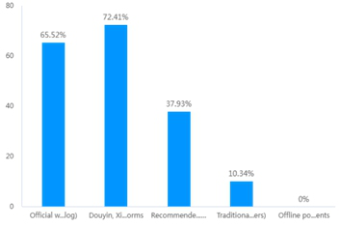
65.52% of the audience learned about the exhibition through the official website or social media 72.41% of the audience learned about through short video platforms such as TikTok and Xiaohongshu
71.43% of the audience are interested in Sanxingdui cultural creation, and 64.29% of the audience love the bronze ware relics
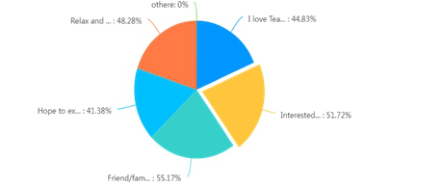
Visit the purpose 51.72% of the audience were interested in the form of combining technology and art, and 44.83% of the audience visited because of their love for Team-Lab art works
85.71% of the audience was interested in the interactive experience related to Sanxingdui IP
Interactive project 44.83% of the audience wanted to experience all the interactive projects, and 58.62% were willing to wait for the most popular interactive projects
Research Methodology Literature Analysis Method This study conducted a literature review on AI-driven devices, audience participation, and interaction modes to construct a theoretical framework and propose research hypotheses. An empirical questionnaire survey was also carried out at the Team-Lab and Macao Sanxingdui exhibitions to test the framework and validate the hypotheses. Findings show that AI technology enhances interactivity and audience engagement. At Team-Lab, 75.86% of visitors were aged 18–25, indicating strong appeal to younger audiences, while 38.1% of Sanxingdui visitors held a master’s degree or higher, reflecting attraction to highly educated audiences. These results highlight differences in audience composition and demonstrate that AI-driven interactions can significantly enrich participation and experience. Overall, Team-Lab shows
Efficiency of Museum Interactive Devices Based on the CIDPE Framework 609
clear advantages in integrating technology with art, offering valuable insights for future exhibitions and AI applications in the arts.
Data Collection and Analysis Process This study collected audience feedback data from the team-Lab exhibition and the Sanxingdui Macao exhibition by designing and implementing the questionnaire. The questionnaire includes the audience’s interactive experience, participation and satisfaction with the AI device. Following are the detailed data collection and analysis processes
Data Analysis
1. Data processing: The collected questionnaire data is first cleaned to exclude invalid questionnaires and outliers.-Data are entered into an electronic database for facilitating subsequent statistical analysis. 2. Statistical analysis: Conduct descriptive statistical analysis of the data, including frequency, percentage, mean value, etc.-For the scale questions in the questionnaire, the mean score for each dimension was calculated to assess the overall feelings of the audience. 3. Comparative analysis: Compare the data of Team-Lab exhibition and Macao Sanxingdui exhibition, and analyze the differences between the two exhibitions in terms of interactive experience, participation and satisfaction. 4. Interpretation of the results: Combining the literature review and theoretical framework, the analysis results are interpreted to explore the impact of AI devices on the audience experience. Identify evidence where research hypotheses are supported and discuss possible practice applications. Through this rigorous data collection and analysis process, this study aims to provide empirical support for the application of AI installations in art exhibitions,and to provide guiding recommendations for future exhibition design.In particular, by comparing audience feedback from Team-Lab and Sanxingdui Macao,this study provides a deep understanding of the interactive effects of AI installations in different exhibition contexts, providing valuable insights into exhibition planning and the application of AI technology.
Data Analysis and Discussion Interactive Experience of Audiences in Different Contexts Through data analysis, this study finds that the interactive experience in the Team-Lab exhibition is more immersive and innovative, while the Macao Sanxingdui exhibition pays more attention to the display and education of traditional culture. According to the questionnaire, the audience of the Team- Lab exhibition showed a high interest in the form of combining technology and art, and 51.72% of the audience said that this was the main reason for their visit. In contrast, the audience of the Sanxingdui exhibition in Macao pays more attention to the historical background introduction of the cultural relics and the interactive experience related to the Sanxingdui IP, and the lack of interaction is boring. Team-Lab exhibition provides a new art experience for the audience through its immersive and interactive
610 Tuo and Hu
characteristics, while Macao Sanxingdui exhibition retains the exhibition mode of traditional museums. Team-lab is far more participants than the Sanxingdui exhibition in Macao, and the audience’s enthusiasm for the interactive experience is far higher than the traditional exhibition.
How AI Drives Generate Works of Art by Tracking Movements or Facial Expressions AI-driven devices in the Team-Lab exhibition, such as Cloud Without Phase: Between Sculpture and Life, generate unique artworks by tracking audience movements and expressions in real time. This intelligent interactivity enhances both engagement and the aesthetic appeal of the artworks, allowing visitors to become active participants in the creative process. In contrast, the Macao Sanxingdui Exhibition employs VR technology to provide immersive experiences but lacks deep integration with AI systems. While Team- Lab’s AI-generated works captivate audiences through personalization and interaction, Sanxingdui’s appeal remains largely tied to cultural interest rather than technological immersion.
Interpretation of the Study Results The results of this study highlight the crucial role of AI technology in enhancing audience interactivity in art exhibitions. Analysis of feedback from the Team-Lab and Macao Sanxingdui exhibitions shows that AI-driven installations not only increase participation but also enrich personalized experiences. At Team-Lab, 75.86% of visitors were aged 18–25, indicating strong interest among younger audiences in immersive, technology-integrated art. In contrast, 38.1% of visitors to the Sanxingdui exhibition held a master’s degree or higher, reflecting its appeal to highly educated audiences and the exhibition’s cultural and educational value. Both exhibitions successfully attracted female visitors (58.62% at Team-Lab; 59.52% at Sanxingdui), suggesting the broad aesthetic appeal of AI art. Professionally, 34.48% of Team-Lab attendees were art-related professionals, while students accounted for 54.76% at Sanxingdui, highlighting differing audience compositions. Overall, these findings demonstrate AI’s potential to enhance interactivity and personalization across diverse cultural contexts, offering valuable insights for future exhibition design.
Figure 2: How did you find out about TeamLab exhibitions?
Efficiency of Museum Interactive Devices Based on the CIDPE Framework 611
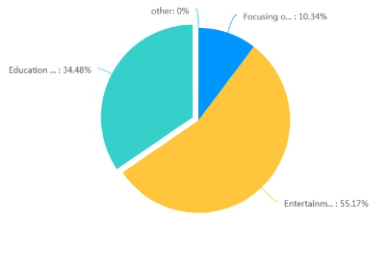
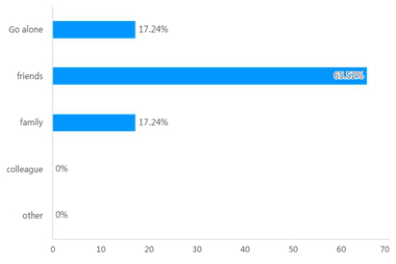
Figure 3: The main reason you chose to visit this exhibition?Figure 4: What do you think theTeamLab?Figure 5: Who did you visit the exhibition with?
How AI Technology Enhances the Specific Mechanism of Interactive Experience and Audience Sense of Participation AI technology enhances the audience’s interactive experience and sense of participation through mechanisms such as instant response, personalized generation and immersive experience. The average score of interactivity, creativity and artistic expression in Team-Lab is more than 4.2, demonstrating the effectiveness of AI technology in improving the exhibition
612 Tuo and Hu
experience. In contrast, although Sanxingdui Exhibition is trying to improve interactivity through VR technology, its attraction to the audience is still limited to its interest in Sanxingdui culture.
Future Research Directions Future research could further explore the application of AI technology across various art forms and how these applications shape audience experiences.Additionally, the role and impact of AI in artistic creation warrant deeper investigation. Particularly in education, the implementation of AI technologies requires careful consideration of its effects on educational equity and teaching quality.
Application Prospects of AI-Driven Devices in Other Fields (Such as Education, Entertainment, Etc.)
AI-powered devices hold vast potential for applications in fields like education and entertainment. By delivering interactive and personalized experiences, AI technology can enhance engagement and user satisfaction, thereby improving educational outcomes and entertainment experiences. In the realm of education, AI implementations such as smart tutoring and personalized learning have demonstrated remarkable potential, enabling customized teaching content tailored to students’ learning progress and individual styles.
Recommendations and Questions for Further Study Future research could explore how to integrate AI technology in creating more interactive and immersive art installations.Moreover,balancing technological applications with the humanistic values of artistic creation remains a critical issue worth addressing. In the education sector, studies should focus on how AI can enhance educational equity and evaluate its practical effectiveness in teaching processes.
Acknowledgement
At the completion of this thesis, I would like to express my heartfelt gratitude to all those who have offered guidance, support, and encouragement throughout the entire research process.
First and foremost, I wish to extend my deepest appreciation to my supervisor, Professor Hu Xin, for her insightful guidance and patient instruction during every stage of this study—from topic selection and research design to data analysis and thesis writing. Her rigorous academic attitude, broad scholarly vision, and meticulous attention to detail have provided a solid theoretical foundation for my work. Under her mentorship, I have greatly improved my research skills and academic thinking. Every discussion and piece of feedback has been invaluable, helping me clarify my research direction, refine my methodology, and enhance the overall quality of this paper.
I would also like to thank all the participants and institutions who contributed to this study. Your active participation, genuine feedback,
Efficiency of Museum Interactive Devices Based on the CIDPE Framework 613
and valuable opinions made data collection and analysis possible. Your contributions provided essential empirical support for this research and deepened my understanding of the subject matter.
My heartfelt thanks go as well to my family for their unwavering understanding, care, and support. Your encouragement and companionship have given me the strength to persevere through the challenges and pressures of research. Especially during the writing and data analysis stages, your love and reassurance allowed me to stay focused and dedicated to my academic work without distraction.
I am equally grateful to my friends and classmates for their generous help, valuable discussions, and companionship. Your thoughtful suggestions, shared experiences, and kind encouragement have made the research process smoother and enriched my academic perspective.
In addition, I would like to express my appreciation to all the scholars and institutions whose research, data, and technical assistance provided important references and resources for my study. Your work has been an essential foundation and an inspiration throughout my research journey.
Finally, I would like to extend my sincere gratitude to all the teachers, peers, and friends who have offered both academic and emotional support along the way. It is through your collective encouragement and assistance that I have been able to complete this thesis successfully.
Appendix A Questionnaire Results of the Team-Lab Exhibition Survey This appendix presents the summarized data collected from the questionnaire survey on visitors’ experiences at the Team-Lab exhibition.
Q5. How did you learn about the TeamLab exhibition? (Multiple choice) Option Count Percentage
Official website or social media 19 65.52% Short video platforms (e.g., TikTok, Xiaohongshu) 21 72.41% Recommendations from friends/family 11 37.93% Traditional media (TV, newspaper) 6 20.69% Offline posters or advertisements 3 10.34% Others 0 0% Valid responses 29 100%
Q7. What is your main reason for visiting the exhibition? (Multiple choice) Option Count Percentage
Interested in TeamLab’s works 13 44.83% Interested in the fusion of art and technology 15 51.72% Recommended by friends/family 16 55.17% Want to experience immersive interaction 12 41.38% Entertainment or novelty-seeking 14 48.28% Others 0 0%
Q8. Is this your first time visiting a TeamLab exhibition?
Option Count Percentage Yes 26 89.66% No 3 10.34%
Efficiency of Museum Interactive Devices Based on the CIDPE Framework 615
Q9. What is your main purpose of visiting the exhibition?
Option Count Percentage Education (learning about art/technology) 3 10.34% Entertainment (relaxation, enjoyment) 16 55.17% Both education and entertainment 10 34.48% Others 0 0%
Q10. How long did you spend at the exhibition?
Option Count Percentage Less than 1 hour 5 17.24% 1–2 hours 20 68.97% 2–3 hours 3 10.34% More than 3 hours 1 3.45%
Q11. Did you participate in all interactive installations?
Option Count Percentage Yes, I wanted to try all 13 44.83% No, I only chose some 6 20.69% Not sure / depended on situation 10 34.48%
Q12. Did you wait in line for the most popular interactive projects?
Option Count Percentage Yes, I was willing to wait 17 58.62% No 0 0% Depends on wait time 12 41.38%
Q13. What do you think is a reasonable waiting time?
Option Count Percentage Within 10 minutes 14 48.28% 10–30 minutes 13 44.83% 30 minutes–1 hour 2 6.9% More than 1 hour 0 0%
616 Tuo and Hu
Q14. What services or facilities would improve the waiting experience? (Multiple choice) Option Count Percentage
Rest area 23 79.31% Entertainment (e.g., mini games, videos) 24 82.76% Information updates (e.g., estimated wait time) 22 75.86% Fast-pass option 8 27.59% Others 0 0%
Q15. Did the exhibition meet your expectations? (5-point scale; average score 4.34) Aspect 1 2 3 4 5 Mean
Q17–Q20. Open-ended Questions Q17: Which area or work impressed you most, and why? Q19: Please summarize your overall impression of the TeamLab exhibition in one sentence. Q20: What are your expectations or suggestions for future exhibitions?
REFERENCES
Fei, J. (2020). How can individuals become strong connectors in a fragmented world through interdisciplinary approaches combining art and technology? Design, (12), 36–41. Guangzhou Sanshantian Culture Technology Co., Ltd. (2024, March 22). CN117742547A. Guo, G., & Schneider, W. (2002). Interaction design and production in virtual
panoramas: “Virtual Reality” series II. Modern Educational Technology, (1), 61–64, 77. Hangzhou Institute of Science and Technology. (2024, June 4). CN118131911A.
Efficiency of Museum Interactive Devices Based on the CIDPE Framework 617
Interactive art machines: 6 inspirational cases. (2024, November 1). Retrieved from https://zunzheng.com/news/archives/53149. Jin, Y., & Zhou, F. (2022). Synesthetic expression elements in audio-visual interaction
design for music performances. Art Garden, (2), 95–98. Li, S. (2011). Interactive model research on interactive installation art. Art and Design (Theory), (8), 146–148. https://doi.org/10.16824/ j.cnki.issn10082832.2011.08.040. Liu, P., Zhu, C., & Liu, Q. (2024). Research on interactive narrative in art museum exhibitions based on AR technology: Taking the “Hidden Art” AR digital art exhibition as an example. Toy World, (10), 135–137. Liu, Z., & Hu, J. (2023, July 4). TeamLab connects emotions with consumption
scenarios. Beijing Business News, 5. Macao Special Administrative Region Government Tourism Bureau. (2023). Macao New Neighborhood · Racing Carnival event introduction. Retrieved from https: //www.macaotourism.gov.mo/zht/programdetail.php?id=2121. Mao, H. (2011). Exploring the operational models of China’s characteristic museum
exhibitions. Art, (4), 110–111. https://doi.org/10.13864/j.cnki.cn11–1311/ j.2011.04.020. Pu, B. (2023, January 20). Using the body to perceive and create digital art spaces.
China Art News, 7. Qiu, L. (2024). Digital preservation of cultural heritage: Applications and challenges of AR technology in traditional art exhibitions. Journal of Footwear Craftsmanship and Design, (19), 20–22. Quan, P., & Yao, Q. (2020). Discussion on the application of interactive installation art in community public facilities. Industrial Design, (11), 26–27. Sun, J. (2021). Interactive design in immersive theater design (Master’s thesis, Jiangnan University). Retrieved from https://kns.cnki.net/KCMS/detail/ detail.aspx?dbname=CMFD202201&filename=1021755950.nh. VR 360 Racing Project Introduction. (2023). Macau Grand Prix Museum. Wang, Y., Hu, H., & Li, X. (2016). Virtual drama space design: When traditional
Chinese theater meets virtual reality technology. Literary and Art Criticism, (12), 103–110. https://doi.org/10.16566/j.cnki.1003–5672.2016.12.013. Wu, B., Wu, H., & Ye, H. (2024). Design patterns for object guidance and virtual interaction in exhibition spaces. Design, (11), 122–125. https://doi.org/10.20055/ j.cnki.1003–0069.001787. Xi’an Dingyi Exhibition Decoration Co., Ltd. (2024, August 30). CN221629211U. Xu, H. (2020). Emotional infiltration and presentation of new media interactive art
in visual communication design. Journal of Chengdu Fan University, (7), 91–95.
LISTED IN THE AHFE DIGITAL BOOKSTORE CATALOGUE
Explore the complete digital volume
Human Factors in Design, Engineering, and Computing
Read this individual research paper free through the original publisher, or explore the full digital proceedings book.
ISBN 978-1-964867-75-5
Explore this ISBN in the AHFE Bookstore ↗Listed in the July 2026 bookstore catalogue; search by ISBN to confirm current availability · Digital book purchase optional