Safa Elkefi (2025). Providers' perceptions of the challenges associated with Virtual Reality use in lung cancer care. In: Human Factors in Design, Engineering, and Computing. AHFE Open Access, vol. 199, pp. 1017–1023. https://doi.org/10.54941/ahfe1006914
Lung cancer patients face challenges when seeking information to make decisions in the treatment phase of their journeys. Although many technologies have been explored in supporting them in decision-making, little has been investigated when it comes to the potential of Virtual Reality in supporting their treatment preparedness. This study collected healthcare providers’ perceptions on the use of VR in addressing lung cancer patients’ treatment-related challenges. Interview data was collected, and providers expressed their concerns as it related to the tools (cost, accessibility, and customization), the systems (implementation in the workflows, and inadequate training), the people (resistance to new technologies, comfort using new tools, more load on providers, and fewer communication channels). To ensure safe and effective implementation of VR use in lung cancer care, these challenges should be addressed.
Lung cancer continues to be a significant public health concern, characterized by high rates of morbidity and mortality, which are often exacerbated by late diagnoses and the associated emotional and physical burdens of treatment. It is responsible for approximately 20% of all cancer-related deaths. The American Cancer Society reported that in 2024, there were 234,580 new cases and 125,070 deaths due to lung cancer (American Cancer Society, 2024). Patients diagnosed with lung cancer face a challenging treatment journey that includes complex regimens, frequent medical appointments, and a steep learning curve in grasping medical vocabulary and procedures. While these difficulties are common across various cancer types, they can be particularly pronounced in lung cancer due to late-stage diagnoses and the multi- modal treatments involved, such as surgery, chemotherapy, radiation, and immunotherapy. The combination of these factors often leads to increased anxiety, confusion, and difficulty in retaining the information discussed during clinical visits (Chapple, 2019).
In recent years, digital health technologies have emerged as effective tools for enhancing cancer care by improving patient education, aiding in decision- making, and facilitating communication between patients and healthcare providers (ElKefi & Asan, 2021; Elkefi et al., 2023). Innovations like patient portals, mobile health applications, and telemedicine platforms have shown promise in enhancing access to information and empowering patients to take an active role in their healthcare. Among these advancements, Virtual Reality (VR) has attracted growing interest as a unique intervention for cancer patients. By immersing users in interactive and realistic environments, VR can present complex information in a more engaging and accessible way (ElKefi & Asan, 2021; Elkefi & Choudhury, 2025; Elkefi et al., 2023). In oncology, VR has demonstrated potential in various areas such as pain management, anxiety alleviation, and patient education (ElKefi & Asan, 2021; Elkefi et al., 2023). However, its regular integration into cancer care remains limited, and there is a lack of understanding regarding healthcare providers’ perceptions of its usefulness and feasibility, especially within the context of lung cancer treatment. Barriers such as costs, equipment maintenance, and provider training have been identified, but their specific impact on the feasibility of using VR in lung cancer care is not well understood, this study seeks to address that gap. The purpose of this study is to investigate healthcare providers’ perceptions on the challenges associated with the use of VR in lung cancer treatment.
METHODS
This study employed a qualitative descriptive design using semi-structured interviews to explore oncology providers’ perspectives on the use of virtual reality (VR) as an educational and supportive tool for lung cancer patients. The design was guided by interpretive description principles, allowing for rich exploration of participants’ experiences, perceived barriers, and recommendations for design and implementation. The study was reviewed and approved by the Institutional Review Board at Columbia University (IRB Protocol #AAAV4003). All participants provided written informed consent prior to participation, and all procedures adhered to the Declaration of Helsinki. A total of ten healthcare providers participated in the study. This sample size was sufficient to reach data saturation, defined as the point when no new themes emerged from the interviews. Interviews were conducted and audio-recorded via Zoom, then transcribed verbatim. The interview guide included open-ended questions exploring providers’ perceptions of VR’s feasibility, and anticipated challenges. A thematic analysis approach was employed, combining inductive and deductive coding strategies (42). Transcripts were first reviewed in full to ensure immersion in the data. Two researchers independently performed open coding to identify emerging ideas, followed by the application of a deductive framework derived from the study objectives (e.g., patient-, system-, and technology-related factors). Codes were then organized into higher-order themes reflecting key challenges and recommendations. All coding was conducted using qualitative analysis software (e.g., NVivo). The two coders compared and discussed their coding decisions to ensure consistency and reliability; discrepancies were resolved
Providers’ Perceptions of the Challenges Associated With Virtual Reality Use 1019
by consensus. Thematic saturation was reached after analysis of the seventh transcript, and remaining transcripts were used to confirm the stability of the themes.
RESULTS
Recruited 10 healthcare providers for this study, 100% of whom were in the oncology specialty. The participants had a mean of 7 years of practice experience (SD = 5) and saw approximately 73 patients (SD = 57) annually. Most participants were unfamiliar with VR, with 60% somewhat unfamiliar and 10% not familiar at all. (Table 1) summarizes the descriptive statistics.
Table 1: Descriptive statistics of the sample size.
Table available in the original PDF paper.
Interview Respondents N/mean %/SD
Years of practice 7 5 Number of patients seen annually 73 57
Familiarity with VR Very familiar 0 0 Familiar 6 60.0 Neutral 1 10.0 Somehow unfamiliar 2 20.0 Not at all familiar 1 10.0
People-Related Challenges We analyzed the challenges associated with virtual reality use by lung cancer patients for information access from the providers’ perspectives.
Challenges included patient, system, technology, and healthcare provider- related factors. Factors identified included patients’ resistance to using new tools. The providers mentioned that: “More confidence in the technology, by the patients and caregivers, could be a challenge.” [HCP 2]. The challenges could be related to age and access to the technology. For instance, one of them mentioned:
“You have a 70-year-old patient that’s not computer-savvy, that’s not really interested in it.” [HCP 6] Some providers were also concerned that this technology could add more questions to patients instead of helping them answer their questions which meant more load to them as providers.
In addition, they were concerned worried that such technologies may make it hard for them to bond with their patients, which may jeopardize the communication channels.
Technology-Related Challenges Other challenges included factors related to the technology itself. Providers expressed their concerns about the ability of such tools to be customized to patients’ needs.
1020 Elkefi
“It’s hard to capture all of the like potential differences between patients in like one module.” [HCP 1] Some other providers also thought that cost and accessibility could hinder the tool’s success.
“I think the problem will be access and accessibility. I don’t know how at which costs…” [HCP 10] System-Related Challenges
The system related factors identified included the ease of implementation of such technologies in the ongoing workflows and the inadequate training provided by the hospitals to support the workers in helping patients.
“Some of them don’t even use cell phones… they don’t use the internet on them.” [HCP 7]
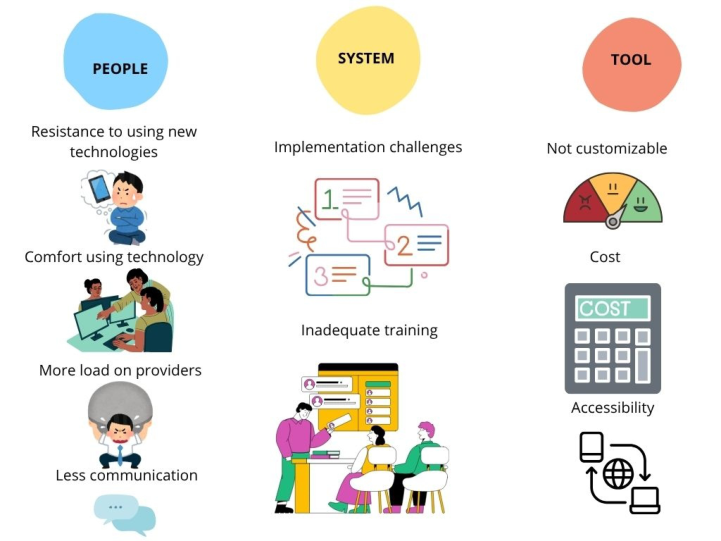
Figure 1 below summarizes the factors identified in our study.
Figure 1: Challenges associated with VR use in lung cancer care.
DISCUSSION
This mixed sample of oncology providers reported limited familiarity with VR and identified multilevel barriers to patient use, patient, technology, and system, that align with and extend prior work on digital tools in cancer care. Overall, the data suggest that VR for information support in oncology is promising but will require careful design for older and digitally excluded patients, guardrails to protect clinician–patient relationships, and
Providers’ Perceptions of the Challenges Associated With Virtual Reality Use 1021
implementation models that fit existing workflows and training capacity. Most participants were unfamiliar with VR, which likely shapes both skepticism and practical concerns. While VR has growing evidence for knowledge gain and symptom relief in oncology and health professions education, these benefits rarely translate without clinician awareness, training, and local champions. Early clinician experience, brief demos, and point-of-care protocols (e.g., when and how to use VR during treatment education) may shift attitudes from “extra work” to “supported workflow” (Kyaw et al., 2019).
Patient-Level Barriers: Age, Confidence, and Misinformation Providers anticipated low uptake among older adults and those “not computer-savvy,” reflecting a persistent digital divide that dispropor- tionately affects older and socioeconomically vulnerable populations. Recent population studies show that, despite improvements, gaps in access and skills remain and are associated with poorer self-rated health among older adults, underscoring the need to address digital exclusion alongside any VR rollout (Bertolazzi et al., 2024; Yang et al., 2024).
Concerns that virtual reality (VR) may lead to increased anxiety or generate more questions are legitimate. Oncology studies show that digital tools can either alleviate or intensify uncertainty, depending on how the content is curated and integrated into patient care. When thoughtfully designed and implemented, VR and similar digital education tools have been shown to reduce anxiety and enhance knowledge during chemotherapy. However, the benefits can vary significantly and are influenced by factors such as customization, usability, and effective communication from healthcare providers (Dodlek et al., 2024; Stansel et al., 2025; Thomas et al., 2024). Providers also worried that VR might weaken rapport. Evidence across oncology and primary care shows technology can either strengthen or strain relationships: tools that enhance shared understanding and communication tend to build trust, whereas poorly integrated tools risk added workload, fragmented communication, and perceived distancing (ElKefi & Asan, 2021). Our providers’ caution to “protect the relationship”is therefore well-founded (ElKefi & Asan, 2021).
Technology-Level Barriers: Personalization, Cost, and Accessibility Participants expressed skepticism about the effectiveness of a “one-module- fits-all” approach in addressing the diverse needs related to diagnosis, treatment stage, literacy, and language. Digital oncology programs consistently highlight the importance of customizing content, language, and interactivity to align with clinical contexts and patient preferences. Recommendations typically include co-design and modular architectures. While emerging platforms, such as metaverse and VR hybrids, demonstrate the technical feasibility of modularity, empirical research indicates that the level of personalization, along with its associated maintenance costs, often determines the success of these initiatives in real-world settings (Turkdogan et al., 2021).
1022 Elkefi
Cost and access issues, such as the availability of devices, headsets, and reliable connectivity, continue to pose significant barriers to the adoption of digital health solutions. Systematic reviews examining the factors influencing digital health adoption consistently highlight a range of obstacles including infrastructural and technical challenges, psychological barriers like low confidence, and concerns related to workload. These findings align closely with the themes brought up during your discussions with participants (Elkefi, 2025).
System-Level Barriers: Workflow Fit and Staff Readiness Providers anticipated challenges in integrating virtual reality into the demanding workflows of oncology, citing a lack of comprehensive institutional training. Implementation analyses in cancer care, such as those involving digital patient-reported outcomes (PROs), reveal similar obstacles: unclear processes, competing priorities, insufficient training, and inadequate IT support hinder the scaling of these initiatives. Success depends on strong leadership support, well-defined workflows, and continuous staff training. Similar reviews advocate for structured training and incentives for clinicians, along with demonstrable evidence that the tools enhance outcomes or efficiency (Lyu et al., 2024).
A broader policy caution articulated by oncology leaders emphasizes the imperative that novel technologies must not detract from fundamental aspects of care, such as timely diagnosis and maintaining an adequately trained workforce. Virtual reality initiatives that neglect essential capacity considerations or exacerbate existing digital inequities risk counterproductive outcomes; consequently, an equity-first approach to implementation is crucial for success.
CONCLUSION
Our study explored the challenges associated with VR use in lung cancer care from a providers’ perspective. More work needs to be done to match these findings to patients’ perceptions about this technology.
ACKNOWLEDGMENT
The author would like to acknowledge HICCC of Columbia University for partially funding this project.
REFERENCES
American Cancer Society, A. (2024). Key Statistics for Lung Cancer. https:// www.cancer.org/cancer/types/lung-cancer/about/key-statistics.html#:∼:text= The%20American%20Cancer%20Society’s%20estimates, men%20and% 2059%2C280%20in%20women). Bertolazzi, A., Quaglia, V., & Bongelli, R. (2024). Barriers and facilitators to
health technology adoption by older adults with chronic diseases: An integrative systematic review. BMC Public Health, 24(1), 506. https://doi.org/10.1186/ s12889–024-18036–5.
Providers’ Perceptions of the Challenges Associated With Virtual Reality Use 1023
Chapple, K. A. L. (2019). What is burden of treatment and how is it experienced by patients living with lung cancer or chronic obstructive pulmonary disease? University of Southampton. Dodlek, N., Kassianos, A., Avraamides, M., Flam, J., & Miki, T. Š. M. (2024).
1898P Efficacy of virtual reality-based interventions in cancer-related symptom management in AYA’s: A systematic review. Annals of Oncology, 35, S1108. https://doi.org/10.1016/j.annonc.2024.08.2117. Elkefi, S. (2025). Feasibility and Design of a Virtual Reality Tool to Support Lung Cancer Patients’ Treatment Preparedness: EveryBreathMatters. Proceedings of the Human Factors and Ergonomics Society Annual Meeting. ElKefi, S., & Asan, O. (2021). How technology impacts communication between
cancer patients and their health care providers: A systematic literature review. Int J Med Inform, 149, 104430. https://doi.org/10.1016/j.ijmedinf.2021.104430. ElKefi, S., & Asan, O. (2021). How technology impacts communication between cancer patients and their health care providers: A systematic literature review. International journal of medical informatics, 149, 104430. Elkefi, S., & Choudhury, A. (2025). Role of Virtual Reality in Improving Home
Cancer Care: A Systematic Literature Review. Electronics, 14(2), 385. Elkefi, S., Trapani, D., & Ryan, S. (2023). The role of digital health in supporting cancer patients’ mental health and psychological well-being for a better quality of life: A systematic literature review. Int J Med Inform, 176, 105065. https:// doi.org/10.1016/j.ijmedinf.2023.105065. Kyaw, B. M., Saxena, N., Posadzki, P., Vseteckova, J., Nikolaou, C. K., George,
P. P., Divakar, U., Masiello, I., Kononowicz, A. A., & Zary, N. (2019). Virtual reality for health professions education: Systematic review and meta-analysis by the digital health education collaboration. Journal of medical Internet research, 21(1), e12959. Lyu, J., Zhang, H., Wang, H., Liu, X., Jing, Y., Yin, L., & Wang, A. (2024).
Facilitators and barriers to implementing patient-reported outcomes in clinical oncology practice: A systematic review based on the consolidated framework for implementation research. Implementation Science Communications, 5(1), 120. https://doi.org/10.1186/s43058–024-00654–0. Stansel, C. C., McLeod, A. R., Gulati, S., Ivory, C. H., Dietrich, M. S., Murray, H. N., Zhang, N., Shah, K., Patel, H. U., & Pegram, K. B. (2025). Effects of Virtual Reality on Pain, Stress, and Affect in an Outpatient Chemotherapy Infusion Clinic: A Randomized Controlled Trial. Clinical Journal of Oncology Nursing, 29(1), 65. Thomas, M. K., Jarrahi, A. A., Dennie, L., Scott, S., Lau, T., & Johnson, A. (2024).
Virtual Reality in Cancer Care: Enhancing Knowledge and Reducing Anxiety about Chemotherapy among Patients and Caregivers. Int J Environ Res Public Health, 21(9). https://doi.org/10.3390/ijerph21091163. Turkdogan, S., Schnitman, G., Wang, T., Gotlieb, R., How, J., & Gotlieb, W. H.
(2021). Development of a digital patient education tool for patients with cancer during the COVID-19 pandemic. JMIR cancer, 7(2), e23637. Yang, R., Gao, S., & Jiang, Y. (2024). Digital divide as a determinant of health in the U.S. older adults: Prevalence, trends, and risk factors. BMC Geriatr, 24(1), 1027. https://doi.org/10.1186/s12877–024-05612-y.
LISTED IN THE AHFE DIGITAL BOOKSTORE CATALOGUE
Explore the complete digital volume
Human Factors in Design, Engineering, and Computing
Read this individual research paper free through the original publisher, or explore the full digital proceedings book.
ISBN 978-1-964867-75-5
Explore this ISBN in the AHFE Bookstore ↗Listed in the July 2026 bookstore catalogue; search by ISBN to confirm current availability · Digital book purchase optional