Jorge A. González Mendívil, Miguel X. Rodríguez-Paz, Israel Zamora-Hernandez, Eduardo Caballero-Montes (2023). Defining optimal lifting loads using augmented reality and internet of things. In: Human Factors and Systems Interaction. AHFE Open Access, vol. 84, pp. 274–284. https://doi.org/10.54941/ahfe1003613
The design of the optimal workplace is still a task of the highest relevance for an ergonomist, the fact that the workplace adapts to the operator and not the operator to the workplace is a task that can take a long time. and this means that many companies do not want to invest that time in such a task and end up with a version of the workplace that is less than optimal.The time that this task takes includes activities such as the design of the place and the design of the environment, for which each of these tasks requires observations, taking photos, videos, and the consequent analysis to define aspects such as lighting, noise, vibration, temperature, ventilation, processes, optimal lifting loads, heights, widths, distances, etc.In terms of time, we would be talking about weeks and perhaps months to be able to complete the design of a workstation, hence the importance of making the said design as efficient as possible in terms of time.In this paper, we will present how the use of technologies such as augmented reality and the Internet of things can help optimize the design of a workstation by minimizing the time for defining the optimal load to be handled by an operator.Early results give us the opportunity to comment that the application of such technologies really minimizes time without sacrificing the accuracy of the measurements.
IMPORTANCE OF RISK MEASURING From a scientific perspective, measuring the risk of injury in the position adopted by an operator in a manufacturing task is important for several reasons.
Measuring the risk of injury in the position adopted makes it possible to identify work situations that may be detrimental to the health of the operator. This allows preventive measures to be taken to avoid possible injuries, such as changes in the ergonomics of the workplace, the implementation of personal protective equipment or the modification of work procedures (McAtamney et al., 1993).
An appropriate working position can influence the performance of the operator. If the position taken is uncomfortable or causes physical stress, performance is likely to decrease. By measuring the risk of injury, optimal positions can be identified that promote comfort and efficiency, which in turn can improve productivity.
In many countries, there are rules and regulations related to occupational health and safety. These standards often include specific requirements for posture and ergonomics in the workplace. Measuring the risk of injury in the position taken helps ensure compliance with these regulations and avoids potential legal sanctions or penalties The well-being of workers is essential to guarantee a healthy and produ- ctive work environment. Measuring the risk of injury in the position adopted
Defining Optimal Lifting Loads Using Augmented Reality and Internet of Things 275
is a way of showing interest in the well-being of the operators, since it seeks to identify and mitigate possible risks to their health and safety (Alm et al., 1995). Work-related injuries can have a significant impact on a company’s costs, both direct (eg, medical and compensation expenses) and indirect (eg, decrea- sed productivity, lost work time). By measuring and reducing the risk of injury in the position adopted, these situations can be prevented or minimized, which in turn can reduce the associated costs.
RISK MEASURING TIME The time required to measure the risk of injury in the position adopted by an operator in a manufacturing task can vary depending on several factors, such as the complexity of the task, the availability of measurement tools, and the experience of the evaluator. Although I can’t provide a precise estimate of the time required, a general idea of the steps involved in this process and some timing considerations.
Initial evaluation: In this stage, an initial review of the job is carried out and the possible risks associated with the position adopted by the operator are identified (Gooyers et al., 2012). This preliminary assessment can take anywhere from a few minutes to several hours, depending on the complexity of the work environment and the specific task.
Data collection: Detailed information about the job position and the activi- ties carried out by the operator is collected. This may include anthropometric measurements, movement analysis, posture records, and other relevant data. Data collection can take anywhere from hours to several days, depending on the extent and precision required.
Risk analysis: Once the data is collected, an analysis is carried out to assess the level of risk associated with the position adopted by the operator. This analysis may involve the use of specific tools, such as ergonomics software, and the application of quantitative or qualitative methods. The time required for analysis will depend on the complexity of the data and the techniques used (Neumann, 2001).
Improvement proposals: Based on the results of the risk analysis, improve- ment proposals can be generated to reduce or eliminate the identified risks. These proposals may include changes to the design of the workplace, the addition of ergonomic aids or the implementation of new work techniques. The time required to develop these proposals may vary depending on the complexity of the changes required.
NIOSH EQUATION The NIOSH (National Institute for Occupational Safety and Health) equa- tion is a tool used to assess the risk of injury from manual lifting. Provides an estimate of the Recommended Lift Rate (RWL) and Recommended Wei- ght Limit (RWL) for a specific manual lifting task (Waters et al., 1993). The equation has the following form: RWL = LC x H x V x DM x AM x FM x CM
Where: LC (Lift Category): It is a factor that takes into account the frequency and duration of the lift, as well as the type of grip used. It ranges from 1 to 3, where 1 represents infrequent lifting and 3 frequent, repetitive lifting.
HM (Handling Factor): Represents the worker’s ability to handle the load properly. It can range from 0.75 to 1.25, where 0.75 indicates poor management and 1.25 indicates optimal management.
V (Verticality Factor): Considers the vertical lift height and how it affects the worker’s ability to lift the load. It can range from 0.95 to 1.80, where 0.95 indicates low height and 1.80 indicates maximum height. H (Distance Factor): Refers to the horizontal distance from the worker’s body to the load and how it affects lifting capacity. It can range from 0.70 to 1.30, where 0.70 indicates close to body distance and 1.30 indicates far distance.
AM (Asymmetrical Factor): Considers the symmetry of the load and how it affects the lifting capacity. It can range from 0.75 to 1.00, where 0.75 indicates asymmetric loading and 1.00 indicates symmetric loading.
FM (Frequency Factor): Represents the frequency of survey over a period of time. It can range from 0.80 to 1.00, where 0.80 indicates a high frequency and 1.00 indicates a low frequency.
CM (Grip Conditions Factor): Considers the grip quality of the load and how it affects lifting capacity. It can range from 0.70 to 1.30, where 0.70 indicates poor grip and 1.30 indicates optimal grip.
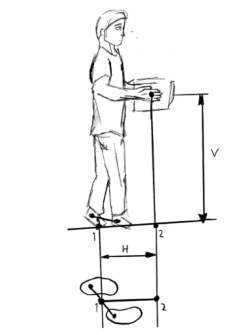
Figure 1 graphically shows the vertical and horizontal measurements to take. The resulting RWL is a number in kilograms that indicates the recom- mended weight limit for manual lifting in a given work situation. If the weight of the load is greater than the RWL, there is considered to be an increased risk of lifting-related injuries. Therefore, it is important that the load weight be equal to or less than the RWL to minimize the risk of injury.
Calculating the NIOSH equation to determine the Recommended Lift Rate (RWL) and Recommended Weight Limit (RWL) can be quite quick and easy once you have the necessary values for each factor ( Dempsey, 2001).
Figure 1: Important measures for NIOSH equation part 1.
Defining Optimal Lifting Loads Using Augmented Reality and Internet of Things 277
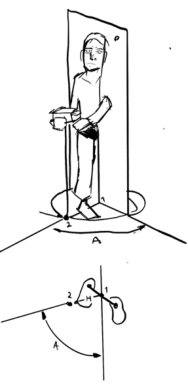
Figure 2: Important measures for NIOSH equation part 2.
Figure 2 graphically shows the angle measurement to take. In general, the time required to calculate the NIOSH equation depends on the availability of the required information and the evaluator’s familiarity with the process. If the factor values are already known and the necessary data is available, the calculation can be performed in a matter of minutes. However, if specific in an ideal lift, the maximum recommended weight (LC) is 23 kg.
This value, is based on psychophysical and biomechanical criteria, and could be lifted without problems under these conditions by 75% of women and 90% of men.
That is, the Recommended Weight Limit (RWL) for an ideal lift is 23 kg (Elfeituri et al., 2018).
RESULT’S INTERPRETATION A coefficient used to assess the risk associated with carrying out a task is the Load Lifting Index, which measures the relationship between the weight lifted and the maximum Recommended Limit Weight. This index evaluates the severity of the task, some experts consider three risk areas (Barim et al. 2019).
1. Limited risk (Lifting index <1). No problems performing this tasks. 2. Moderate increased risk (1 < Lifting Index < 3). Some workers can be injured if they perform these tasks, although the risk decreases as the worker’s training and experience increases. 3. Marked increase in risk (Lifting Index >3). The task is ergonomically unacceptable, it must be modified immediately.
Since the factors were calculated, they are substituted in the formula and the Recommended Weight Limit is obtained and compared to the weight lifted to decide what to do in case the test result is not favorable.
AUGMENTED REALITY AS AN ANALYSIS TOOL Augmented reality (AR) can be used as an assistance tool in calculating the NIOSH equation and in ergonomic risk assessment in general. Augmented reality combines virtual elements with the physical environment, allowing real-time information and graphics to be superimposed on the user’s view through devices such as smart glasses or mobile applications. This can be useful in the context of the NIOSH equation in several ways:
AR can facilitate the collection of data needed for the NIOSH equation factors. For example, by using smart glasses equipped with motion sensors and cameras, accurate measurements of height, distance, and angles can be obtained without the need for additional measuring instruments (Mengoni et al., 2018).
Augmented reality can display real-time information about factors relevant to the NIOSH equation, such as lift height, horizontal distance, and other grip values. This data can be overlaid on the user view, making it easy to see and understand the specific parameters being evaluated.
AR can allow virtual analysis and simulations of lifting loads. Virtual models can help identify and correct potential ergonomic problems before they occur in the real environment. In addition, simulations of different sce- narios can be run and the values of the NIOSH equation factors adjusted to assess how changes in injury risk would affect them (Wu et al., 2023).
Augmented reality can be used as a training tool to teach workers how to assess ergonomic hazards and apply the NIOSH equation. Instructors can overlay information and interactive guides on the physical environment to provide effective hands-on training.
It is important to highlight that the application of augmented reality in ergonomic risk assessment is a developing field and its specific applicati- ons are still being explored. However, its potential benefits are recognized to improve the accuracy and efficiency of the evaluation and calculation processes in ergonomics and occupational safety (Matteucci et al., 2017).
INTERNET OF THINGS The Internet of Things (IoT) can also play an important role in ergonomic risk assessment and application of the NIOSH equation. The IoT refers to the connection of physical devices through the internet, allowing the collection of data and the communication between them. Here are some ways the IoT can contribute.
Smart sensors connected via IoT can collect data about the work environ- ment and physical conditions in real time. For example, motion, pressure, or force sensors can detect and record data about postures taken, the way a load is lifted, and environmental conditions, such as temperature or lighting. These data can be used to assess compliance with the factors in the NIOSH equation (Badiali et al., 2014).
Data collected by IoT sensors can be transmitted in real time over a netw- ork for continuous monitoring and analysis. This allows the early detection of risk situations and the implementation of corrective measures in a timely manner. For example, if a worker is assuming a posture that exceeds the limits
Defining Optimal Lifting Loads Using Augmented Reality and Internet of Things 279
set by the NIOSH equation, an alert can be sent to correct the posture before injury occurs.
Big Data Analytics: The IoT provides large volumes of data that can be analyzed using Big Data techniques and predictive analytics. By applying advanced algorithms and models, patterns and trends related to ergonomic risks can be identified. This can help predict high-risk situations and take preventative steps to avoid workplace injuries (Gooyers et al., 2012).
The IoT allows the integration of different systems and devices in a work environment. For example, data collected by IoT sensors can be linked to occupational health and safety management systems, facilitating centralized assessment and monitoring of ergonomic risks. Additionally, the data can be integrated with inventory, production, or human resource management systems for a more holistic view of risk and informed decision-making.
The Internet of Things offers a variety of applications in ergonomic risk assessment and the application of the NIOSH equation. Smart sensors, real- time monitoring, Big Data analytics, and system integration are just a few examples of how the IoT can improve understanding and management of ergonomic risks in the workplace.
A mobile application (app) itself is not directly considered to be the Internet of Things (IoT). However, an app can interact with and take advantage of the IoT by connecting and communicating with smart devices and sensors that are part of an IoT network (Fox et al., 2019).
When an app connects to smart devices over the internet and takes advan- tage of the ability to exchange data between them, it can become part of a broader IoT ecosystem. For example, an app can control and collect data from smart sensors in a smart home, such as thermostats, security cameras, or home appliances, and allow users to monitor and control those devices from their mobile phone.
The app acts as an interface to access and control connected IoT devices. It uses the power of networked connectivity and communication to provide users with an interactive and automated experience. Additionally, you can collect data from IoT devices and send it over the internet for analysis or visualization (Barim et al., 2019).
It is important to note that an app that connects to IoT devices requires an underlying IoT infrastructure, that is, the devices and sensors must be designed to be compatible with and connected to an IoT network. The app acts as a means to interact with these devices, but it is not itself a component of the IoT.
OBJECTIVE The main variable to analyse is the time that the data collection and subse- quent calculation of the equation will take, this task can take up to 2 hours with traditional tools. Due to this, the use of augmented reality applications and the Internet of Things was considered to verify if the analysis could be more efficient (Ranavolo et al. 2017).
EXPERIMENT The experiment was carried out in 2 phases, first it was verified that the calculation was accurate, for this reason a couple of groups of experienced
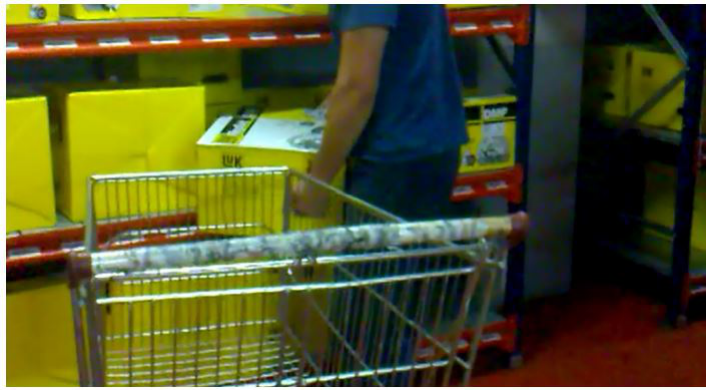
ergonomists were selected, the first of these was asked to evaluate the task with the traditional method and the second was asked to evaluation, using augmented reality tools and the internet of things (Gonzalez-Mendivil et al. 2022) to later compare results. Figure 3 shows the analysed activity. In the second phase, the execution time of the task was evaluated, 2 groups of ergonomists in training were used, the first group measured the risk through the traditional method and the second group used augmented reality tools and the internet of things (Al-haimi et al. 2013).
In the traditional method, the distances necessary for the NIOSH equa- tion are measured using tools such as: tape measure, protractors to measure angles, etc.
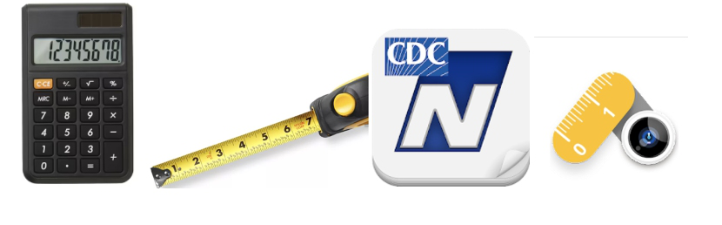
The improved method consists of the use of augmented reality and internet of things applications to take the necessary measurements for the calculation of RWL. In Figure 4 we can see the traditional tools to use, as well as the improved method tools.
Figure 3: Activity analysed.Figure 4: Traditional tools vs AR tools.
Defining Optimal Lifting Loads Using Augmented Reality and Internet of Things 281
RESULTS
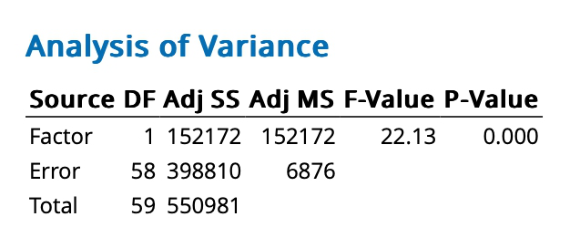
The result of the accuracy analysis of the calculations can be seen in Figures 5 and 6, in Figure 5 we present an ANOVA that defines that there is no difference form using one or the other method, it is clear that the accuracy is the same, regardless of the method used.
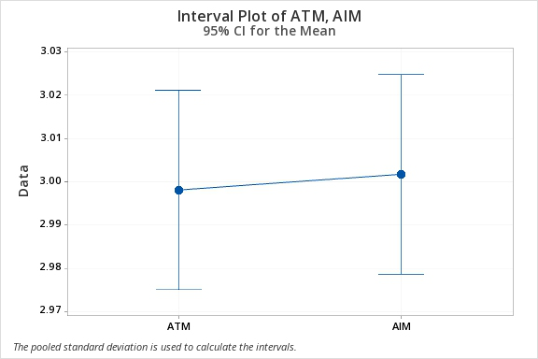
Figure 6 further supports the argument that the accuracy of the analysis does not vary, giving confidence that either by one method or another, a reliable calculation can be reached.
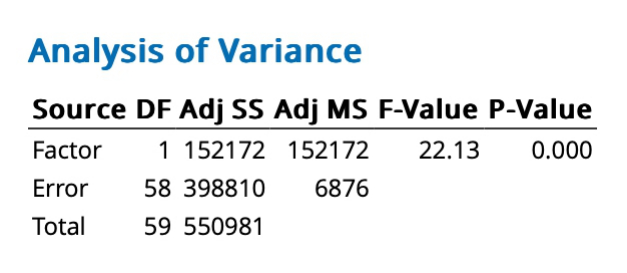
In the second phase of the analysis, the time that the risk measurement task would take with the use of one method or another was measured. Figure 7 makes it clear that this method is a factor that influences time, being the use of improved method presents better results.
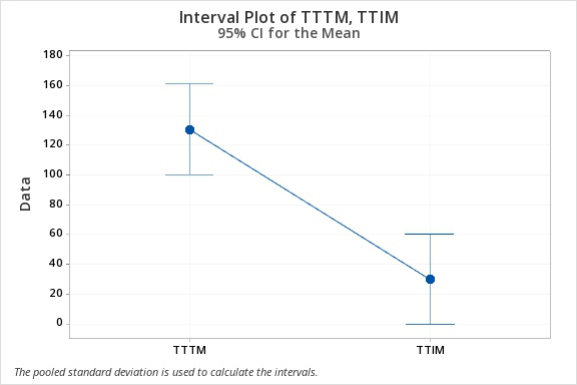
Figure 8 presents a clear difference in the means, being 120 minutes for the group that used the traditional method and 30 minutes for the group that used the improved method.
Figure 5: Analysis of variance for accuracy analysis.Figure 6: Interval plot for accuracy analysis.Figure 7: Analysis of variance for task time analysis.Figure 8: Interval plot for task time analysis.
CONCLUSION
With the results obtained, we can conclude that using Augmented Reality and the NIOSH Mobile Apps ensure the accuracy of the RWL result and the risk index, in addition that the analysis can be done in 1/4 of the time it takes. It is important and necessary to analyze different tasks and include more factors such as the analysis of results between experienced and inexperienced ergonomists.
ACKNOWLEDGMENT
The Authors would like to acknowledge Writing lab for its invaluable support.
REFERENCES
Alm, H., & Nilsson, L. (1995). The effects of a mobile telephone task on driver behaviour in a car following situation. Accident Analysis & Prevention, 27(5), 707–715.
Defining Optimal Lifting Loads Using Augmented Reality and Internet of Things 283
Arjmand, N., Amini, M., Shirazi-Adl, A., Plamondon, A., & Parnianpour, M.
(2015). Revised NIOSH Lifting Equation May generate spine loads exceeding recommended limits. International Journal of Industrial Ergonomics, 47, 1–8. Al-haimi, B. (2013). Usability Guidelines of Mobile Learning Application. Journal of information systems research and innovation, 5(9). Badiali, G., Ferrari, V., Cutolo, F., Freschi, C., Caramella, D., Bianchi, A., & March-
etti, C. (2014). Augmented reality as an aid in maxillofacial surgery: validation of a wearable system allowing maxillary repositioning. Journal of cranio-Maxillofacial surgery, 42(8), 1970–1976. Barim, M. S., Sesek, R. F., Capanoglu, M. F., Drinkaus, P., Schall Jr, M. C., Gallagher, S., & Davis, G. A. (2019). Improving the risk assessment capability of the revi- sed NIOSH lifting equation by incorporating personal characteristics. Applied Ergonomics, 74, 67–73. Elfeituri, F. E., & Taboun, S. M. (2002). An evaluation of the NIOSH lifting equa-
tion: a psychophysical and biomechanical investigation. International Journal of Occupational Safety and Ergonomics, 8(2), 243–258. Fox, R. R., Lu, M. L., Occhipinti, E., & Jaeger, M. (2019). Understanding outcome metrics of the revised NIOSH lifting equation. Applied ergonomics, 81, 102897. Garg, A., Boda, S., Hegmann, K. T., Moore, J. S., Kapellusch, J. M., Bhoyar, P.,... &
Malloy, E. J. (2014). The NIOSH lifting equation and low-back pain, Part 1: Asso- ciation with low-back pain in the backworks prospective cohort study. Human Factors, 56(1), 6–28. González-Mendívil, J. A., Rodríguez-Paz, M. X., & Zamora-Hernández, I. (2022, March). Augmented Reality as an enabling technology to evaluate risk in wor- king postures. In 2022 IEEE Global Engineering Education Conference (EDU- CON) (pp.1772–1778). IEEE. Gooyers, C. E., & Stevenson, J. M. (2012). The impact of an increase in work rate
on task demands for a simulated industrial hand tool assembly task. International Journal of Industrial Ergonomics, 42(1), 80–89. Kumar, B. A., & Sharma, B. (2020). Context aware mobile learning application development: A systematic literature review. Education and Information Technologies, 25(3), 2221–2239. Lu, M. L., Waters, T. R., Krieg, E., & Werren, D. (2014). Efficacy of the revised
NIOSH lifting equation to predict risk of low-back pain associated with manual lifting: a one-year prospective study. Human factors, 56(1), 73–85. Matteucci, M., Raponi, D., Mengoni, M., & Peruzzini, M. (2017, August). Tangible augmented reality model to support manual assembly. In International Design Engineering Technical Conferences and Computers and Information in Enginee- ring Conference (Vol. 58233, p. V009T07A038). American Society of Mechanical Engineers. McAtamney, L., & Corlett, E. N. (1993). RULA: a survey method for the investiga-
tion of work-related upper limb disorders. Applied ergonomics, 24(2), 91–99. Mengoni, M., Ceccacci, S., Generosi, A., & Leopardi, A. (2018). Spatial Augmented Reality: An application for human work in smart manufacturing environ- ment. Procedia Manufacturing, 17, 476–483. Neumann, W. P., Wells, R. P., Norman, R. W., Kerr, M. S., Frank, J., Shannon, H. S.,
& Groupd, O. W. (2001). Trunk posture:: reliability, accuracy, and risk estimates for low back pain from a video based assessment method. International journal of industrial ergonomics, 28(6), 355–365. Ranavolo, A., Varrecchia, T., Rinaldi, M., Silvetti, A., Serrao, M., Conforto, S., & Draicchio, F. (2017). Mechanical lifting energy consumption in work acti- vities designed by means of the “revised NIOSH lifting equation”. Industrial health, 55(5), 444–454.
Waters, T. R., Lu, M. L., Piacitelli, L. A., Werren, D., & Deddens, J. A. (2011).
Efficacy of the revised NIOSH lifting equation to predict risk of low back pain due to manual lifting: expanded cross-sectional analysis. Journal of Occupational and Environmental Medicine, 1061–1067. Wu, S., Hou, L., Chen, H., Zhang, G. K., Zou, Y., & Tushar, Q. (2023). Cognitive ergonomics-based Augmented Reality application for construction performa- nce. Automation in Construction, 149, 104802.
LISTED IN THE AHFE DIGITAL BOOKSTORE CATALOGUE
Explore the complete digital volume
Human Factors and Systems Interaction
Read this individual research paper free through the original publisher, or explore the full digital proceedings book.
ISBN 978-1-958651-60-5
Explore this ISBN in the AHFE Bookstore ↗Listed in the July 2026 bookstore catalogue; search by ISBN to confirm current availability · Digital book purchase optional