Veronica Bessone (2026). Work related musculoskeletal injury rate and ergonomics in bronchoscopy: a global survey. In: Social and Occupational Ergonomics. AHFE Open Access, vol. 228, pp. 138–147. https://doi.org/10.54941/ahfe1007944
Work-related musculoskeletal injuries (MSI) are frequent among bronchoscopists with reported rate up to 75%. However, the number of studies is exiguous and based on a low sample size, while the importance of ergonomics to prevent MSIs raised with the goal to preserve the health and career longevity of the physicians. The objective of this study was to investigate the prevalence of MSI and the correlation with anthropometric, demographic and work characteristics in bronchoscopy. A global online survey containing questions about anthropometrics, demographics and ergonomics was shared among bronchoscopists and interventional pulmonologists. Seventy-three physicians from seven countries participated in the survey. 36% of responders reported to have/had experienced MSI (women: 30%; men: 40%). The most frequent MSI locations were wrist and lower back, and the most common types were muscle strain, trigger finger and tendonitis. According to the injured physicians, the main causes leading to MSI were the position maintained during the procedure, the weight of the endoscope and the position of the equipment. As a result, 58% would like to have lighter bronchoscopes and 62% lower lever's torque. Ergonomic training was completed by 23%, and 67% would be interested in participating in one, with the willingness significantly higher among those who have or had MSI. Given the professional and economic consequences of the frequent MSI, promoting ergonomic awareness is essential. Several ergonomic practices—such as seated positioning, use of ergonomic bronchoalveolar lavage systems, and pre-procedural warmups— are recommended to prevent MSI and safeguard physician's career longevity.
Bronchoscopy encompasses a variety of procedures—flexible and rigid bronchoscopy, endobronchial ultrasound, and interventional bronchoscopic techniques—each performed within complex clinical environments and under significant physical demands. These procedures require endoscopists to adopt prolonged static postures, apply repetitive thumb and wrist motions for endoscope navigation, and generate fine motor forces to control suction and bending tip flexion mechanisms. Consequently, musculoskeletal injuries (MSIs) are highly prevalent among bronchoscopists and interventional pulmonologists, yet they remain largely underreported and insufficiently acknowledged in clinical practice. Previous studies have demonstrated MSI Received February 17, 2026; Revised April 1, 2026; Accepted April 21, 2026; Available online July 20, 2026
Work Related Musculoskeletal Injury Rate and Ergonomics in Bronchoscopy 139 rates between 39 and 89% in bronchoscopy performing physicians, affecting areas such as the neck, shoulders, lower back, hand and thumb (Di Felice et al., 2022; Gilbert et al., 2021).
Over the last decades, bronchoscopic technology has evolved substantially— from fiberoptic systems to lightweight video bronchoscopes and, more recently, single-use bronchoscopes. These developments have improved sterility and workflow efficiency, but ergonomic improvements have been inconsistent. Several analyses have shown that handle geometry, endoscope shaft stiffness, and lever resistance continue to impose mechanical stress on the operator despite technological advances (Gilbert et al., 2021; Ozturk et al., 2023). Di Felice and colleagues (2022) highlighted that the thumb-actuated levers of many bronchoscopes require forces exceeding recommended ergonomic thresholds, particularly during extended procedures.
Ergonomics in bronchoscopy is gaining increasing attention as pulmonology faces important demographic and clinical challenges. Rising rates of lung cancer, chronic respiratory conditions, and infectious diseases have increased the procedural workload for bronchoscopists (Wahidi et al., 2020; Herth et al., 2023). Concurrently, the increasing representation of women in interventional pulmonology underscores the need for ergonomically inclusive device design, as anthropometric differences may influence susceptibility to injury (Mehta et al., 2021). Moreover, MSIs negatively affect both the physical and mental wellbeing of physicians and contribute to burnout, reduced productivity, and early career attrition (Gilbert et al., 2021; Jain & Wahidi, 2022).
Despite the growing awareness of ergonomic challenges in bronchoscopy, few studies have investigated the relationships between anthropometric characteristics, work practices, device ergonomics, and MSI prevalence among bronchoscopists. Existing reports are limited either by small sample sizes or regional scopes. To our knowledge, no global survey has comprehensively evaluated ergonomic risk factors, preventive behaviors, device-related contributors, and the status of ergonomic training among physicians performing bronchoscopy.
The present study aims to fill this gap by examining the prevalence of workrelated MSIs among bronchoscopists, and by exploring potential correlations with demographic and anthropometric characteristics, procedural practices, equipment use, and ergonomic habits. Furthermore, the study assesses the adoption of preventive strategies such as room setup optimization, warmup routines, and ergonomic training.
MATERIAL AND METHODS A world-wide online survey was conducted from August to November 2025 involving clinically active bronchoscopists and interventional pulmonologists. The survey was conducted according to the Declaration of Helsinki and the protocol approved by the ethical committee of Ambu (reference: ANI-0037/2025). The responders consented to participate in the study by submitting the anonymous, unremunerated and voluntary survey. The potential participants were identified during international
140 Bessone conferences and through newsletters. The questionnaire comprised 45 questions including anthropometrics, demographics, MSI experience and treatment, work-place characteristics and preventive measures, such as ergonomic training. To allow comparisons with other fields of endoscopy and enhance content validity, the questions were based partially on a previously developed questionnaire by the author directed at GI endoscopy (Bessone and Adamsen, 2022). The survey design allowed respondents to skip nonapplicable questions, which led to varying denominators across analyses; these are reported accordingly in the tables. Because the objective was exploratory, no formal samplesize calculation was performed. Instead, the study aimed for broad international participation to capture global ergonomic practices and variability in clinical settings. Nevertheless, the sample represents a pragmatic cross section of bronchoscopists frequently performing endoscopic procedures.
Descriptive statistics were used to analyse the data. A chi-squared test was performed to assess whether anthropometrical and demographic data, working setup or ergonomics characteristics were associated with MSI. The calculations were performed using IBM SPSS Statistics (IBM Corporation, Armonk, NY, USA). Statistical significance was set at p<0.05.
RESULTS
Seventy-three healthcare professionals actively working in bronchoscopy participated in the survey. Forty-eight were interventional bronchoscopists, five were pulmonologists, nineteen anaesthesiologists and one an ear- nose-throat specialist. The respondents were from the United States of America, Chile, Ukraine, Australia, India, Mexico and Turkey. The anthropometric and descriptive characteristics of the participants are reported in Table 1.
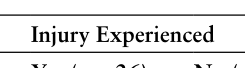
Table 1: Responders’ anthropometric and descriptive data vs. development of work- related injuries (n [%]). Statistical differences were calculated within the groups and significance is highlighted in bold (p<0.05). The percentage is compared to the number of people in the relative group.
8.5 1 [50.0%] 1 [50.0%] 2 [2.7%] Yes 14 [38.9%] 22 [61.1%] 36 [49.3%] χ2 = 0.332 p = 0.565 No 12 [32.4%] 25 [67.6%] 37 [50.7%] Use progressive lenses
Most of the responders (75%) had at least five years of experience. 26% of the participants had more than 10 hours per week of active use of the endoscope and 32% more than 10 procedures per week. Additional procedure characteristics are reported in Table 2.
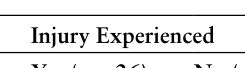
Table 2: Procedure characteristics and development of work-related injuries in bronchoscopy (n [%]). Statistical differences were calculated within the groups and significance is highlighted in bold (p<0.05). The percentage is relative to the number of people in the relative group.
Work Related Musculoskeletal Injury Rate and Ergonomics in Bronchoscopy 143 Nine subjects stated to perform warmups (stretching, mobility exercises, etc.) before starting a procedure (Table 3). Of the responders, 92% adjusted the monitor position, 89% the patient bed’s height, 43% the pedals’ position and 7% use a floor mat. Regarding the working position during the procedure, 90% reported to stand, while 3% reported that it depends on the procedure. 45% reported to use a single piece led apron, while 16% used a two-piece. To perform bronchoalveolar lavage (BAL), a common diagnostic procedure in bronchoscopy and performed utilizing different suction systems, manual aspiration was the most common method (n = 29), followed by Lukens trap (n = 28), Broncho Sampler Set (Ambu, Ballerup, Denmark) (n = 18), Romsons mucus extractor (n = 6) and other systems (n = 2). The Broncho Sampler Set was rated as the most ergonomic one (56%) of the responders’ preference (n=50), followed by the manual aspritation (24%) and the Lukens trap (20%).
Ergonomic training had been completed by 23% of the professionals, who had a higher probability of warming up before performing a bronchoscopy (p<0.05). 67% of the physicians would be interested in participating in an ergonomic training. Among the physical activities, walking was the most common (n = 37), followed by running (n = 22) and gym (n = 21). 7% did not perform any physical activity during the week, while 23% stated doing a leisure activity that involves the use of the fingers, i.e. videogames, and playing a musical instrument.
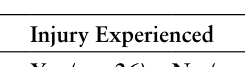
Table 3: Responders’ ergonomic data and work-related injuries (n [%]). Statistical differences were calculated within the groups and significance is highlighted in bold (p<0.05). The percentage is relative to the number of people in the relative group.
Table available in the original PDF paper.
Equation reproduced from the original PDF.
Warm up Yes 3 [33.3%] 6 [66.7%] 9 [12.3%] χ2 = 0.023 p = 0.879 No 23 [35.9%] 41 [64.1%] 64 [87.7%] Adapt position of the monitor Yes 24 [35.8%] 43 [64.2%] 67 [91.8%] χ2 = 0.015 p = 0.903 No 2 [33.3%] 4 [66.7%] 6 [8.2%]
Adapt position of patient’s bed
Yes 23 [35.4%] 42 [64.6%] 65 [89.0%] χ2 = 0.014 p = 0.906 No 3 [37.5%] 5 [62.5%] 8 [11.0%] Use of floor mat Yes 2 [40.0%] 3 [60.0%] 5 [6.8%] χ2 = 2.967 p = 0.227 No 21 [32.8%] 43 [67.2%] 64 [87.7%]
N/A 1 [25.0%] 3 [75.0%] 4 [5.5%] Adapt position of foot pedals Yes 12 [38.7%] 19 [61.3%] 31 [42.5%] χ2 = 0.288 p = 0.866 No 11 [34.4%] 21 [65.6%] 32 [43.8%]
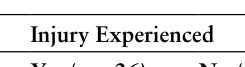
Injury Experienced Yes (n = 26) No (n = 47) Total (n = 73) Yes 25 [37.9%] 41 [62.1%] 66 [90.4%] χ2 = 1.785 p = 0.410 No 1 [20.0%] 4 [80.0%] 5 [6.8%]
Stand while performing the procedure Depends 0 [0.0%] 2 [100.0%] 2 [2.7%] Hand used to hold the endoscope Left 14 [30.4%] 32 [69.6%] 46 [63.0%] χ2 = 2.328 p = 0.312 Right 12 [46.2%] 14 [53.8%] 26 [35.6%]
Depends 0 [0.0%] 1 [100.0%] 1 [1.4%] Had ergonomic training Yes 3 [17.6%] 14 [82.4%] 17 [23.3%] χ2 = 1.412 p = 0.235 No 22 [40.0%] 33 [60.0%] 56 [76.7%]
36% of the responders experienced at least one work-related MSI, located mainly in the wrist (n = 11), lower back (n = 9), and shoulder (n = 8), followed by the neck (n = 7) and upper back (n = 6). When in a limb, MSIs were in 11 cases on the right side and in nine on the left. The MSI limited eleven injured subjects (42%) to go to work. Muscle/tendon strain was the most common MSI (n = 10), followed by trigger finger (n = 5) and tendonitis (n = 5). Rest (n = 11), pain medication and physiotherapy (n = 8, both) were the most frequently used intervention. According to the injured responders, the factors leading to their MSIs were the position maintained during the procedure (n = 10), the weight of the endoscope (n = 9), the position of the equipment and the stiffness to move the lever of the bronchoscope (n = 6, both). As a result, 58% would like to have lighter bronchoscopes and 62% lower lever’s torque. Anthropometric or descriptive characteristics demonstrated not to be risk factors of MSIs (p>0.05). A higher risk of developing MSI was correlated to a higher number of procedures per week and hours per week of active use of endoscope. Lower back pain was correlated to the type of lead apron used, the number of procedures, hours of active use of endoscope and percentage of time doing endoscopy (p<0.05). Higher body weight correlated to a higher risk of hip MSI (p<0.05). A higher number of procedures correlated to a higher risk of neck and thumb MSI (p<0.05).
DISCUSSION
This global survey adds contemporary evidence to a growing body of work showing that work related musculoskeletal injuries (MSIs) are common among bronchoscopists and interventional pulmonologists. Our observed MSI prevalence of 36% aligns with a prior bronchoscopy survey that found 39% of clinicians report procedure related pain or MSIs (Gilbert et al., 2021), reinforcing that operator musculoskeletal strain remains a persistent and clinically relevant occupational hazard in bronchoscopic practice.
Exposure intensity emerged as the clearest signal: a higher number of procedures/week and hours/week of active bronchoscope use were
Work Related Musculoskeletal Injury Rate and Ergonomics in Bronchoscopy 145 significantly associated with MSIs in our dataset. This is coherent with ergonomic fundamentals on cumulative load and repetition, and mirrors volume–injury associations documented in endoscopy more broadly (Buschbacher, 1994; Ridtitid et al., 2015; Pawa et al., 2021). By contrast, no anthropometric or demographic factor achieved significance in our survey. While an earlier survey associated smaller glove size and younger age with pain, our null finding may reflect differences in device mix, practice settings, and increased uptake of lighter singleuse bronchoscopes that can reduce some load pathways (Gilbert et al., 2021).
Most respondents reported optimizing room setup (monitor and bed height, foot pedals). The lack of statistical association between these adjustments and MSI in our data likely reflects a ceiling effect—with 85–90% already performing these optimizations. This interpretation is in line with GI endoscopy ergonomic guidance (e.g., monitor at slight downward gaze, neutral elbow table height, micro/macrobreaks, antifatigue mats) that reduce neck/shoulder/lumbar strain and are recommended as baseline controls (Pawa et al., 2023).
Device factors featured prominently: injured physicians frequently cited bronchoscope weight and lever stiffness as contributors. Bench studies support these perceptions—electromyographybased feasibility work has shown higher muscle activation with less experienced operators and suggests that certain handle geometries (including rotational head concepts) can improve posture/strain (Gilbert et al., 2020; Shinagawa et al., 2025). Additionally, although conventional systems remain widespread, integrated sampler solutions appear to offer ergonomic advantages, as reflected in positive user evaluations in this survey, by streamlining workflow, reducing dependence on assistants, and minimizing awkward upper limb postures.
Despite these risks and device related opportunities, preventive behaviors and training are underadopted. Only 25% of our cohort reported warmups before initiating a procedure, yet this value was higher than what was reported in GI endoscopy and ureteroscopy (Bessone and Adamsen, 2022; Bessone, 2026) and interest in ergonomics education was high (67%). This mirrors patterns described across different fields of endoscopy, where trainees and early career proceduralists report limited formal ergonomics education despite high injury prevalence and ergonomic training interest, and where societies now recommend integrating ergonomics into curricula and daily practice (Di Felice et al, 2024).
As bronchoscopic indications expand, procedure volumes and complexity continue to grow (Wahidi et al., 2020; Herth et al., 2023), amplifying the importance of sustainable bronchoscopist’s ergonomics (Costa et al., 2018). Concurrently, clinician wellbeing literature documents high burnout rates in critical care and procedure heavy pulmonary practice, suggesting that unmitigated physical strain may compound psychosocial stressors and threaten workforce longevity (Jain and Wahidi, 2022; Mehta et al., 2022). Consequently, systematic upstream interventions are needed (training, room design, device design).
Limitations include modest sample size and potential response bias (clinicians with MSI may be more likely to participate). Nonetheless, our multicountry cohort, explicit capture of device/room contributors, and
146 Bessone alignment with contemporary reviews and feasibility studies strengthen external validity and identify concrete targets: exposure reduction strategies, standardized ergonomic setups, lever force and weight optimization in device design, and introduction of formal ergonomic training.
CONCLUSION
MSIs are common among bronchoscopists and interventional pulmonologists, with exposure intensity, i.e. number of procedures and of hours actively using the endoscope, serving as the primary driver in our cohort, rather than anthropometric characteristics. Wrist, lower back, and shoulder remain the dominant injury sites, consistent with the known biomechanical demands of wrist torque, and prolonged standing postures in bronchoscopy. Despite widespread adoption of basic room adjustments, ergonomic training and preprocedural warmups are underutilized—even as clinician interest is high— signaling a clear opportunity for structured, competency based ergonomic programs in bronchoscopy fellowships and continuing education.
Manufacturers should coprioritize human factored design—notably reducing endoscope weight and lever activation forces—, as users explicitly identified these as contributors to MSI. Given growing procedural demands and ongoing innovation, integrating ergonomic principles into daily practice, training, and procurement decisions are essential to safeguard operators’ health, sustain productivity, and preserve career longevity in bronchoscopy.
ACKNOWLEDGMENT
The author is grateful to the physicians participating in the survey for their availability, interest and involvement.
REFERENCES
Bessone (2026). Work Related Musculoskeletal Injury Rate and Ergonomics in Urology: A Global Survey. Applied Human Factors and Ergonomics conference in Istanbul 20-24 July 2026. Accepted. Bessone V, Adamsen S. (2022). Gastrointestinal endoscopy and work-related injuries:
an international survey. Endosc Int Open, 13, 10(5), E562–E569. Buschbacher, R. (1994). Overuse syndromes among endoscopists. Endosc, 26, 539–544. Costa ADS Jr, Scordamaglio PR, Suzuki I, Palomino ALM, Jacomelli M. (2018).
Indications, clinical outcomes and complications of 1,949 flexible bronchoscopies. Einstein (Sao Paulo). 8;16(4):eAO4380. Di Felice C, Mahmood K, Folch E, Majid A. (2022). Ergonomic assessment of bronchoscopy: Evaluation of thumb force, handle design, and operator strain during flexible bronchoscopy. J Bronchol Interven Pulmonol, 29(4), 245–252. Di Felice et al. (2024). The Need for Ergonomics Training in Interventional Pulmonary
Fellowship, ATS Scholar, 5(1):45–52. Gilbert CR, Arias S, Sethi S, Wahidi MM. (2021). Musculoskeletal injuries and ergonomic challenges among interventional pulmonologists: A multicenter survey. CHEST, 160(6), 2154–2162.
Work Related Musculoskeletal Injury Rate and Ergonomics in Bronchoscopy 147 Gilbert CR et al (2020). Assessment of Ergonomic Strain and Positioning During
Bronchoscopic Procedures: A Feasibility Study. J Bronchology Interv Pulmonol, 27(1):58–67. Herth FJ, Sethi S, Mondoni M. (2023). Global burden of bronchoscopic procedures and implications for workforce sustainability. Lancet Respir Med, 11(3), 210– 223. Jain P, Wahidi MM. (2022). Burnout and physical strain among interventional
pulmonologists: A review of occupational hazards. CHEST, 162(4), 1012–1021. Mehta AB, Lockhart S, Reed K, Griesmer C, Glasgow RE, Moss M, Douglas IS, Morris MA. (2022). Drivers of Burnout Among Critical Care Providers: A Multicenter Mixed-Methods Study. Chest. 05; 161(5):1263-1274. Mehta AC, Jantz M, Pastis N. (2021). Women in interventional pulmonology:
Workforce trends and ergonomic considerations. J Bronchol Interven Pulmonol, 28(1), 15–22. Ozturk A, Schneider T, Herth FJ. (2023). Mechanical stress and ergonomic load factors associated with bronchoscope handle design: A biomechanical analysis. ERJ Open Research, 9(1), 00123–2023. Pawa S et al. (2021). Women in gastroenterology committee of the American college
of gastroenterology. Are all endoscopy-related musculoskeletal injuries created equal? Results of a national gender-based survey. Am J Gastroenterol, 116, 530–538. Pawa S et al. (2023). American Society for Gastrointestinal Endoscopy guideline on the role of ergonomics for prevention of endoscopy-related injury: summary and recommendations. Gastrointest Endosc, 98(4):482–491. Ridtitid W et al. (2015). Prevalence and risk factors for musculoskeletal injuries
related to endoscopy. Gastrointest. Endosc, 81, 294–302. Shinagawa N et al. (2025). Evaluating the Usefulness of the Insertion Tube Rotation Function of Bronchoscope in Cadaver Models. J Bronchol Interv Pulmonol,32(2): e1005. Wahidi MM et al. (2020). Current trends in bronchoscopy and interventional
Read this individual research paper free through the original publisher, or explore the full digital proceedings book.
ISBN 979-8-950676-04-8
Explore this ISBN in the AHFE Bookstore ↗Listed in the July 2026 bookstore catalogue; search by ISBN to confirm current availability · Digital book purchase optional