Han Zhang, Siqi Zhu, Yue Fang (2025). Designing Adaptive Immersive Therapeutic Spaces Using Convolutional Neural Networks for Community-Based Elderly Care. In: Intelligent Human Systems Integration (IHSI 2025): Integrating People and Intelligent Systems. AHFE Open Access, vol. 160, pp. 784–794. https://doi.org/10.54941/ahfe1005885
As global aging accelerates, it is projected that by 2050, over 22% of the global population will be aged 60 or older. In this context, promoting healthy aging is crucial, with mental health challenges among the elderly receiving increasing attention. Art therapy has been recognized as an effective intervention to maintain physiological, cognitive, and social functions in older adults, significantly improving emotional well-being and social engagement. However, traditional art therapy faces limitations in scalability and assessment accuracy. Digital art therapy, with its real-time adaptability and sustainability, offers promising potential for expanding mental health interventions. This study focuses on Wuhan, China, surveyed and interviewed 2,000 elderly individuals to explore psychological health factors. Results indicate that individuals aged 60-69 exhibit significantly higher levels of depression and anxiety compared to those aged 50-59, with depression (M60-69=12.231>6.272,p<.001) and anxiety (M60-69=13.837>6.441,p<.001). High social participation was found to significantly enhance mental health (p<.001), with most respondents holding favorable views on community-based art therapy activities. To address these findings, this research proposes adaptive immersive therapeutic spaces for elderly care, integrating sensor and projection technologies. Using Convolutional Neural Networks (CNNs), the system analyzes real-time behavioral and emotional data, dynamically adjusting the visual and auditory elements to match the users' emotional states. A follow-up survey with 1,897 participants confirmed the feasibility of these spaces, with the majority anticipating improved emotional regulation. This study contributes to the advancement of mental health interventions for the elderly, offering novel perspectives for future research and practice.
As the global population ages, the proportion of individuals over the age of 60 is expected to exceed 22% by 2050, highlighting the urgent need to promote healthy aging (Fadda & Giulietta, 2010). Psychological health issues, including social isolation and depression, are increasingly prevalent among the elderly, necessitating effective interventions. Art-related activities,
such as painting and music, have been shown to alleviate these challenges by fostering emotional well-being, cognitive stimulation, and social engagement (Seo, 2016). However, traditional art therapy remains limited in its scope, offering few opportunities for systematic evaluation or personalization of treatment.
The advent of digital technologies presents novel opportunities for enhancing the therapeutic potential of art therapy. Immersive, multisensory environments created using techniques such as light projection, virtual reality, and audio-visual interactions have been developed to provide dynamic, real- time therapeutic experiences. These environments can adapt to the emotional and behavioural states of users, offering more personalized and effective interventions (Zhangxi, 2023).
This study investigates the relationship between social participation and mental health among the elderly, based on a survey of 2,000 individuals in Wuhan, China. The findings reveal a significant positive correlation between higher levels of social engagement and improved mental health outcomes. Furthermore, the elderly exhibited a strong interest in immersive art therapy, with personalized, interactive art activities shown to enhance emotional regulation and overall quality of life (Fancourt & Tymoszuk, 2019).
Building on these insights, we propose a novel framework for designing adaptive immersive therapeutic spaces within community-based elderly care environments. By integrating sensors and projection technology, these spaces are capable of real-time adjustments to their visual and auditory components, guided by the emotional and behavioural responses of elderly users. Utilizing Convolutional Neural Networks (CNN) for real-time analysis, the system delivers personalized mental health services, guiding users through a therapeutic process from initial engagement to emotional feedback.
This study explores four key questions: (1) How does social engagement influence elderly mental health? (2) Do elderly individuals have a positive attitude toward art therapy? (3) What are the preferred audio-visual elements in therapeutic spaces for the elderly? and (4) How do elderly users evaluate immersive therapeutic spaces? Through these inquiries, we demonstrate the potential of adaptive immersive spaces to enhance both social participation and mental health, offering practical solutions to the psychological challenges associated with aging populations.
RELATED WORK
The Practice and Impact of Art Therapy in Communities Art therapy, a combination of art and psychotherapy, has demonstrated significant benefits for treating various psychological conditions, including depression, cognitive impairments, and trauma. It facilitates emotional expression, enhances cognitive function, and promotes social engagement, which is especially beneficial for elderly populations (Xiaoning, 2013). Studies have shown that participation in art therapy can improve emotional well-being, foster self-affirmation, and slow cognitive decline in older adults (Linfeng, Lingna et al., 2020). For instance, research on dementia patients revealed improvements in happiness, attention, and self-esteem following
engagement in art activities (Windle, Joling, et al., 2018). Similarly, found that music interventions improved cognitive performance and regulated neural functions in elderly individuals, highlighting the potential of art therapy to enhance both psychological and physiological health (Sijia, 2023). Art therapy has also been associated with increased self-worth and emotional regulation, contributing to higher social participation and improved quality of life for older adults (Wanyuan, 2021).
Numerous global initiatives have successfully integrated art therapy into community programs for the elderly. For example, the “Sound Community”project in the U.S. involved weekly music rehearsals for seniors, resulting in reduced loneliness and increased life satisfaction (Johnson et al., 2020). Similarly, the Royal Philharmonic Orchestra in the UK collaborated with communities to provide music therapy, with participants reporting improvements in sleep, memory, and anxiety levels (Phillips, 2019). In Chengdu, China, art projects targeting vulnerable elderly populations, such as those living in isolation, have created platforms for emotional expression and peer support through activities like gardening and painting.
The Application of Digital Technology in Art Therapy Recent advances in digital technology have significantly expanded the scope of art therapy, offering more personalized, interactive, and immersive therapeutic experiences. Technologies such as virtual reality, interactive installations, and audio-visual systems have been employed to create therapeutic environments that respond dynamically to users’ emotional states. For example, researchers from Texas A&M University, introduced a plant-interaction device in senior living facilities, which promoted relaxation through touch-responsive visual and auditory feedback.. Interaction with this plant art installation was found to promote feelings of peace and relaxation among participants (Seo, 2016). Other projects, such as Cubicle Ninjas’ “Guided Meditation VR” and Verstand’s “AURA,” have used immersive environments to enhance emotional regulation and self-awareness.
These innovations extend to the analysis of emotional and behavioural patterns among elderly individuals. Machine learning algorithms, particularly Convolutional Neural Networks (CNNs), are increasingly utilized to analyses real-time data on emotional states, facilitating personalized therapeutic interventions. For instance, (Ruofan, 2018) developed a speech emotion recognition system for the elderly, while (Jing, 2024) used graph convolutional networks to analyses daily behaviours across multiple modalities. These approaches provide valuable insights into optimizing therapeutic processes and improving the quality of life for older adults.
QUESTIONNAIRE SURVEY This study uses an empirical quantitative analysis to investigate the mental health status and interest in art therapy among elderly individuals in nursing homes and communities in Wuhan, China. The sample comprises 2,000
residents aged 50 and above (1,015 males and 985 females). Data were analysed using SPSS for statistical processing.
The self-developed questionnaire included four sections: basic information, social relationships and community engagement, mental health, and attitudes toward art therapy. Mental health was assessed using the Simplified Chinese version of the Depression Anxiety and Stress Scale (DASS-21), which evaluated depression, anxiety, and stress. The internal reliability of the scale was confirmed, with Cronbach’s α for social engagement at 0.939, and for DASS-21 at 0.963.
Questionnaire Survey Analysis Analysis of the Psychological Status of the Elderly Population An independent samples t-test compared mental health indicators between the 50–59 and 60–69 age groups (Table 1). The results showed significantly higher scores for depression (t = −17.780, p <.001) and anxiety (t = −17.820, p <.001) in the 60–69 age group compared to the younger. However, there was no significant difference in stress scores (t = −.934, p = .350), suggesting that while depression and anxiety increase with age, stress levels remain relatively stable.
Table 1. Comparison of differences in mental health scores among participants of different age groups.
Table available in the original PDF paper.
Age = 50–59 Age = 60–69 t p Mean Std. Deviation Mean Std. Deviation
Analysis of the Psychological Status of the Elderly Population A correlation analysis explored the relationships between social engagement, social relationships, depression, anxiety, and stress (Table 2). Pearson’s correlation coefficients revealed significant negative correlations between social engagement and both depression (r = −.347, p <.001) and anxiety (r = −.289, p <.001). Social engagement was also negatively correlated with stress (r = −.369, p <.001). These results suggest that increased social engagement is associated with lower levels of psychological distress among older adults.
Further analysis using structural equation modelling (SEM) confirmed these relationships. Social engagement exhibited a significant negative effect on depression (β = −0.194, p <.001), stress (β = −0.245, p <.001), and anxiety (β = −0.170, p <.001). This indicates that participation in community activities may help alleviate depression, anxiety, and stress, contributing to better overall mental health among elderly individuals.
Table 2. Variable correlation analysis matrix.
Table available in the original PDF paper.
Social Relationships Social Engagement Depression Anxiety Stress Social Relationships 1 Social Engagement .337*** 1 Depression −.347*** −.286*** 1 Anxiety −.289*** −.272*** .622*** 1 Stress −.369*** −.350*** .549*** .524*** 1
Older Adults’ Perspectives on Art Therapy Survey results indicate that the elderly population generally holds a positive attitude toward art therapy. Despite 64.4% of respondents reporting no prior experience with art therapy, 43.6% strongly supported its use as a therapeutic method, and 44% believed it could significantly improve mental health. The Chi-square distribution test results (p <.001) confirmed that the majority of elderly participants strongly supported art therapy and found it appealing. The most preferred forms of art therapy were painting and music, with many respondents expressing interest in participating in regular art therapy sessions. This highlights a strong potential for art therapy interventions within elderly care, particularly when focused on activities that align with the preferences and emotional needs of the participants.
Discussion The findings underscore the vital role of social engagement in improving mental health among the elderly, particularly in mitigating depression and anxiety, which are more prevalent in individuals with limited social interaction. Psychosocial factors such as retirement, reduced social networks, and family separation contribute to emotional distress and loneliness. Physical health decline and financial concerns, including healthcare costs, further exacerbate mental health challenges. Wuhan’s supportive infrastructure, including healthcare and pension systems, helps alleviate some stress, while the availability of recreational facilities encourages social interaction, benefiting mental well-being. The strong acceptance of art therapy highlights its potential as a valuable intervention in community care. Art therapy fosters emotional expression and social connection, addressing both psychological and social needs. Its ability to reduce isolation and improve cognitive function makes it particularly beneficial for elderly individuals. Integrating art therapy into community programs presents an opportunity to enhance mental health and social participation in aging populations.
DESIGN PROPOSAL Immersive Interactive Healing Space Design Proposal
The immersive healing space is designed to provide elderly individuals with a multisensory environment that promotes emotional and psychological well- being. By integrating environmental design, multimedia technology, and artistic elements, the space fosters relaxation and stress relief. Nature-based
therapies, utilizing natural patterns and elements such as light, sound, and visual simulations, form the core of this interactive environment (Yuhua, Jingqi, 2024). These elements promote a connection with nature, which has been shown to enhance health, particularly for individuals with circulatory and respiratory conditions.
The design incorporates both visual and auditory stimuli from nature, such as simulations of landscapes and natural movements, to create a realistic and immersive experience. The combination of sound, light, and interactive features allows participants to engage in a therapeutic process that supports mental health. Dynamic adjustments to the visual and auditory environment ensure a personalized experience, catering to the emotional and psychological needs of the participants.
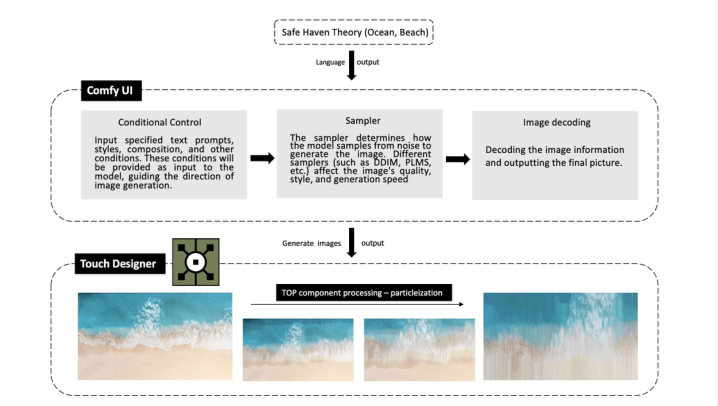
A key theoretical foundation for the design is the Safe Haven Theory, which emphasizes the importance of creating psychologically safe environments for individuals experiencing stress or emotional distress. The immersive space guides participants through techniques such as deep breathing and visualizations of calming environments. For instance, participants are prompted to imagine a safe, comfortable place, like a serene beach or quiet forest. As the experience progresses, the design adapts to participants’ responses, offering visual transitions and interactive elements that evoke emotional stability and relaxation.
The visual design ensures a gradual and smooth transition between scenes, moving from familiar natural landscapes to more abstract visual representations, aligned with participants’ emotional needs. This step-by- step approach is intended to maintain psychological comfort and support the therapeutic process. The system uses real-time input to adjust visual scenes, guided by voice commands or gestures, offering participants control and personalization in their healing journey.
Figure 1: Safe haven pathway based on the free diffusion model.
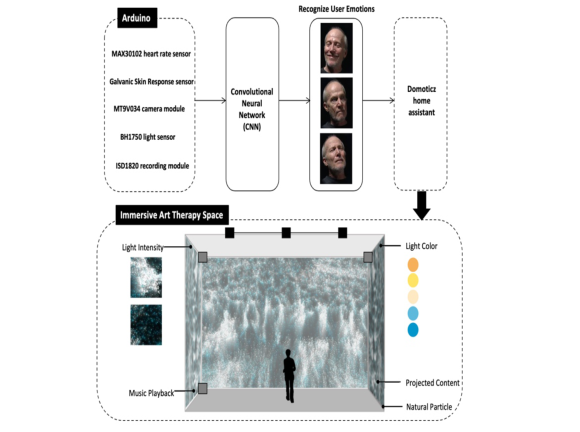
Technical Pathway for Immersive Art Therapy Space The immersive therapeutic space is equipped with a dynamic system that adapts to the physiological and psychological states of elderly users through sensor technologies and advanced data processing. The system utilizes real-time monitoring and machine learning to personalize environmental adjustments based on users’ emotional and physical states, promoting attention management, engagement, and emotional regulation.
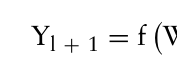
Multimodal sensors collect data such as heart rate, galvanic skin response (GSR), and visual inputs (e.g., posture and facial expressions). These data streams are processed by Convolutional Neural Networks (CNNs), which extract features indicative of the user’s emotional state. The CNN model processes input data Xi represent the input data from sensor i, including heart rate, GSR, and visual inputs. The CNN processes the input through a series of convolutional layers, denoted by:
Equation reproduced from the original PDF.
Wl ∗Xl + bl
Where Wl are the learnable convolutional filters at layer l, * denotes the convolution operation, f (·) is the activation function (e.g., ReLU). This allows for the hierarchical extraction of relevant features from the raw sensor data, such as detecting tension from GSR patterns or emotional distress from facial expression changes.
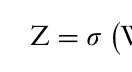
Following the convolutional layers, fully connected layers transform the extracted features into a decision output, Z, representing the user’s predicted emotional state:
Equation reproduced from the original PDF.
WfY + bf
Where Wf and bf are the weights and biases of the fully connected layers, and σ (·) is the SoftMax function, yielding the probability distribution over potential emotional states such as calm stressed, or anxious.
Based on the emotional state output Z, the system modulates environmental factors such as lighting and music in real time. For example, when elevated stress is detected (e.g., increased heart rate and GSR), the system adjusts brightness and music to induce relaxation.
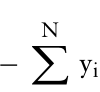
The system also incorporates machine learning to improve personalization over time. A loss function is minimized during training:
Equation reproduced from the original PDF.
Where yi is the true emotional state label, byi is the CNN’s predicted probability, and θ represents the CNN parameters. Gradient-based optimization techniques, such as stochastic gradient descent (SGD), are used to minimize this loss and refine the model’s accuracy.
A feedback loop incorporating real-time data and user surveys ensures continuous improvement. This process allows the system to evolve, providing increasingly personalized therapeutic interventions, enhancing effectiveness and user satisfaction.
By integrating CNN-based data processing and adaptive machine learning, this system offers a personalized, real-time therapeutic environment for elderly users, contributing to improved well-being and healthcare innovation.
Figure 2: Technical path of immersive art therapy space.
USER RESEARCH Participants
This study explored the feasibility and impact of immersive healing spaces within communities, focusing particularly on their appeal to elderly residents. A survey was designed to evaluate community support, willingness to participate, and preferences regarding the immersive healing experience. Respondents were asked whether they would support the establishment of such spaces and whether recommendations from family or friends would influence their decision to try them. The questionnaire also examined respondents’ attitudes towards dynamic environmental changes, soundscapes, and visual effects in the healing space to assess the potential for widespread adoption.
From April to June 2024, the study surveyed 1,897 elderly residents (969 males and 928 females), aged 50 to 70, in communities across Wuhan, China. The multi-stage random sampling method ensured a diverse and representative sample of participants.
Data Analysis and Results After analysing the data on the acceptance of and preferences for immersive therapeutic spaces within the community, a chi-square test was conducted for each question. The p-values were below the significance level (typically
less than .001), indicating that the observed differences were statistically significant and not due to random chance. The study found that the majority of elderly individuals preferred and supported the establishment of immersive art therapy spaces in their communities, highlighting the high demand and widespread social acceptance for such spaces (Table 3).
Table 3. Immersive art therapy space experimental data analysis.
Table available in the original PDF paper.
p
Question Option Proportion (%)
Chi-square Degrees of Freedom
1. How appealing do you think an immersive healing space is for the elderly?
5.1
Very Appealing 45.8 945.538 4 <.001 Appealing 20.3 Neutral 19.1 Unappealing 9.6 Very Unappealing 45.6 949.244 4 <.001 Very Comfortable
2. If the environment within the space were to change in real-time, would you be comfortable with that?
5.3
Comfortable 21.6 Neutral 18.7 Uncomfortable 8.9 Very Uncomfortable
3. In such a space, what kind of sound environment would you prefer?
Absolute Silence 1.4 3249.232 4 <.001 Ambient Sound 11.9 White Noise 27.6 Soft Music 54.5 Classical Music 1.7 Pop Music 1.5 Other 1.5 4. In such a space, what kind of visual effects would you prefer?
47.3 1005.354 4 <.001 Significantly Increase
Classical 29.7 371.595 4 <.001 Particle 19.8 Nature 40.1 Chaotic 10.4 5. If your family or friends recommended an immersive art therapy space, would your willingness to participate increase?
4.1
Increase 20.6 No Change 18.6 Decrease 9.4 Significantly Decrease
The study further examined the differences in acceptance of real-time environmental changes within the immersive spaces across different age groups. An independent samples t-test revealed that participants aged 60–69 were significantly more open to real-time adjustments compared to those aged 50–59 (t = −1.569, p <.001). Additionally, ANOVA results (F = 13.726, p <.001) indicated that age significantly influenced the degree of acceptance, with older participants demonstrating greater adaptability to dynamic changes in the therapeutic environment.
To assess the impact of immersive spaces on quality of life, an independent samples t-test compared life quality scores between respondents who supported the immersive space and those who did not. The results showed that those in favour of the immersive space had significantly higher life quality scores (t(88) = 2.45, p = .016, Cohen’s d = .52). This suggests a
positive correlation between the use of immersive spaces and improvements in the mental and emotional well-being of elderly participants.
CONCLUSION
This study explored four key questions regarding elderly mental health, attitudes toward art therapy, preferences for therapeutic spaces, and evaluations of immersive environments. First, social engagement was found to significantly improve mental health, reducing anxiety, depression, and stress, which underscores the importance of community participation in promoting emotional well-being in older adults. Second, over 70% of respondents had a positive attitude towards art therapy, recognizing its potential to enhance emotional regulation and reduce stress, highlighting its value as a non-traditional therapeutic tool. Third, elderly individuals showed a preference for natural elements, such as landscapes and soothing music, in therapeutic spaces. These findings suggest that incorporating these elements can better meet the emotional needs of elderly users. Lastly, immersive therapeutic spaces were well-received, with users emphasizing the importance of safety, privacy, and professional management.
Additionally, the integration of Convolutional Neural Networks (CNNs) in the immersive space system enhances personalization by analysing real- time physiological data, enabling adaptive environmental adjustments. The CNN model’s ability to continuously learn from users’ responses ensures the system evolves to provide increasingly effective interventions.
In conclusion, this study underscores the importance of social engagement and art therapy in enhancing mental health among the elderly. Moreover, the positive reception of immersive therapeutic spaces highlights their potential as a novel intervention to improve quality of life. Future research should focus on optimizing the AI-driven personalization of these environments, particularly through advanced CNN algorithms, and addressing management concerns to ensure widespread adoption and effectiveness in elderly care.
ACKNOWLEDGMENT
This work was supported by the Fundamental Research Funds for the Central Universities of Central China Normal University in 2023 (Project No. CCNU23XJ047) and the 2024 Innovative Research Program of Central China Normal University (Project No. 2024CXZZ066). The authors would like to express their gratitude for this financial support.
REFERENCES
Cheng, Y., & Xu, J. (2024). Research on natural form graphic design from the perspective of art therapy. Screen Printing, 06, 63-67. https://doi.org/10.20084/ j.cnki.1002-4867.2024.06.017 Ding, J. (2021). Research on behavior recognition methods for the elderly based on
multimodal graph convolutional networks (Master’s thesis, Nanjing University of Science and Technology). https://doi.org/10.27241/d.cnki.gnjgu.2021.002458
Fadda, G., Cortés, A., Olivi, A., & Tovar, M. (2010). The perception of the values of urban space by senior citizens of Valparaiso. Journal of Aging Studies, 24(4), 344–357. Fancourt, D., & Tymoszuk, U. (2019). Cultural engagement and incident depression
in older adults: evidence from the English Longitudinal Study of Ageing. The British Journal of Psychiatry, 214(4), 225–229. Guo, S. (2023). Study on the neural mechanisms of music intervention in cognitive aging (Doctoral dissertation, University of Electronic Science and Technology of China). https://doi.org/10.27005/d.cnki.gdzku.2023.000204 Johnson, J. K., Stewart, A. L., Acree, M., Nápoles, A. M., Flatt, J. D., Max, W.
B., & Gregorich, S. E. (2020). A community choir intervention to promote well- being among diverse older adults: Results from the community of voices trial. The Journals of Gerontology: Series B, 75(3), 549–559 Liu, L., Yang, L., Wang, H., Liu, Q., Lin, Q., & Zhang, X. (2020). Correlation between psychological health and subjective well-being among the elderly in nursing homes. Chinese Journal of Gerontology, 40(24), 5277–5280. Phillips, K. (2019). A constructive-critical response to creative health: The arts for
health and wellbeing (July 2017) by the all–party parliamentary group on arts, health and wellbeing. International Journal of Art Therapy, 24(1), 21–29. Seo, J. H., Geraci, L., & Sanchez, T. (2016). Exploring the impact of creative expression through interactive art making on older adults’ well-being. Digital Creativity, 27(4), 358–368. Seo, J. H., Geraci, L., & Sanchez, T. (2016). Exploring the impact of creative
expression through interactive art making on older adults’ well-being. Digital Creativity, 27(4), 358–368. Wang, X. (2013). A preliminary study on the impact of art on mental health: Taking art therapy as an example. Psychological Health Education in Primary and Secondary Schools, 22, 14–17. Windle, G., Joling, K. J., Howson-Griffiths, T., Woods, B., Jones, C. H., Van de
Ven, P. M.,... & Parkinson, C. (2018). The impact of a visual arts program on quality of life, communication, and well-being of people living with dementia: A mixed-methods longitudinal investigation. International Psychogeriatrics, 30(3), 409–423. Yin, W. (2021). Study on the role of art therapy in enhancing self-esteem among elderly individuals in the community (Master’s thesis, Changchun University of Science and Technology). https://doi.org/10.26977/d.cnki.gccgc.2021.000282 Zhang X. (2023). Feasibility analysis of immersive digital art therapy. International
Public Relations, (11), 161–163. https://doi.org/10.16645/j.cnki.cn11-5281/c. 2023.11.054 Zhang, R. (2018). Design and implementation of a speech emotion recognition system for the elderly (Master’s thesis, Chongqing University of Posts and Telecommunications). https://doi.org/10.27675/d.cnki.gcydx.2018.000305
LISTED IN THE AHFE DIGITAL BOOKSTORE CATALOGUE
Explore the complete digital volume
Intelligent Human Systems Integration (IHSI 2025): Integrating People and Intelligent Systems
Read this individual research paper free through the original publisher, or explore the full digital proceedings book.
ISBN 978-1-964867-36-6
Explore this ISBN in the AHFE Bookstore ↗Listed in the July 2026 bookstore catalogue; search by ISBN to confirm current availability · Digital book purchase optional