Rodrigo Dominguez, Alex Rojas, Enrique Calderón, Dany Bahamondes, Catalina Torrejon, Aylin Astudillo, Macarena Santander (2024). Exploring Self-Medication Practices Among Undergraduate University Students: A Qualitative Descriptive Study. In: Healthcare and Medical Devices. AHFE Open Access, vol. 130, pp. 40–46. https://doi.org/10.54941/ahfe1004835
The findings of this study underscore the critical role of human factors and ergonomics in understanding and addressing the issue of self-medication among undergraduate university students. The aim of the presented qualitative descripted study was to explore the self medication and to assess practices among undergraduate university students of Viña del Mar from Chile. Method: A self-administered questionnaire consisting of 13 items was distributed to 342 participants through quota sampling, distributed in the following fields of study: Biotechnology Engineering (5), Manufacturing and Industrial Design Engineering (15), Computer Engineering (32), Industrial Maintenance Engineering (19), Industrial Safety and Environmental Engineering (10), Business Administration Technician (22), University Technician in Food (3), University Technician in Biotechnology (8), University Technician in Construction (25), University Technician in Environmental Control (5), University Technician in Electricity (25), University Technician in Electronics (17), University Technician in Renewable Energies (8), University Technician in Informatics (29), University Technician in Industrial Maintenance (24), University Technician in Automotive Mechanics (24), University Technician in Industrial Mechanics (18), University Technician in Mining and Metallurgy (29), University Technician in Engineering Projects (6), University Technician in Chemistry with a Mention in Analytical Chemistry (7), and University Technician in Telecommunications and Networks (11). The 342 participants (mean age=22 ± 2.3 years, Male: Female ratio=1.07:1), 71 were engineering and 271 were technician students. Self-medication was reported by 85.4% students. The most common reason for self-medication was lack of time to go to the doctor (49%). On the other hand, students (72%) use medications without prescription when symptoms appear, and the majority (75%) go to the doctor if the symptoms persist after self-medication. Commonly used medicines were analgesics (62.3%), antipyretics (21.1%) and antibiotics (11%). which are reflections of insufficient knowledge and wrong beliefs. Conclusion: Prevalence of self-medication is high in the Undergraduate University Students, despite majority being aware of its harmful effects. There is a need to educate the youth to ensure safe practices. Strict policies need to be implemented on the advertising and selling of medications to prevent this problem from escalating. Interventions must be put in place to educate on appropriate medicine use. National education programmes about the dangers of self medication use and restriction of antibiotics without prescriptions should be the priority including all paper components such as references, appendices, acknowledgements.
Exploring Self-Medication Practices Among Undergraduate University Students 41
INTRODUCTION
Self-medication refers to the use of medicines to treat self-diagnosed dis- orders without consulting a medical practitioner and without any medical supervision. (Nepal et al., 2018) and is one of the most common forms of inappropriate use of antibiotics (Yin et al., 2021). The benefits of medicines are under threat by self-medication (Elmahi et al., 2022) 50 (Aljaouni et al., 2015). Self-medication has been identified as a significant contributing fac- tor to antimicrobial resistance (AMR) (Zhang et al., 2021). The increasing level of AMR is a trend seen throughout the globe (Aslam et al., 2020). AMR refers to the ability of a microorganism to grow in the presence of an agent or a drug that previously would kill or inhibit its growth (Nabaweesi et al., 2021). However, the classic concept of AMR incorporates the consequences and implications of their possible species interactions as an ecological as well as evolutionary aspect (Reddy et al., 2022). The emergence of antimicrobial resistance is a normal evolutionary process for microorganisms as response to antimicrobial exposure (Lai et al., 2022). Through a darwinian selection pro- cess microorganisms have developed robust mechanisms to evade destruction from many toxic substances. Most antimicrobial drugs are naturally pro- duced by microorganisms (Holmes et al., 2016). Resistance is spread through both vertical gene transfer (parent to offspring) as well as by horizontal gene transfer like transformation, transduction and conjugation. The main mech- anisms of resistance are limiting uptake of a drug, modification of a drug target, inactivation of a drug, and active efflux of a drug (Nadeem et al., 2020). Antibiotics were hailed as the greatest discovery of modern medicine in the 20th century and have played an important role in controlling infectious dis- eases. (Wright, 2007), however, with their frequent and often inappropriate use, such as in cases of self-medication, new threats have emerged, including antibiotic resistance (Zamojska et al., 2021). The development of antibiotic resistance is a natural phenomenon that is encoded by the antibiotic resis- tance genes (ARGs) of microorganisms and is the product of billions of years of evolution (Perry et al., 2013). The presence of ARGs is the root cause of bacterial resistance. Pathogenic bacteria acquire ARGs through plasmid exchange at the gene level and develop strong resistance to antibiotics (Jian et al., 2021). Plasmids are capable of moving between bacteria and are rec- ognized as being important vehicles that transfer ARGs between bacterial species (San Millan, 2018; Wang et al., 2024). Bacteria become antibiotic resistant by either genetic mutations or by acquiring ARGs (Amarasiri et al., 2020). Evidence from different studies showed that the practices of self- medication have been used to treat different (Zeru et al., 2020) perceived disease conditions like headache, (Niroomand et al., 2020) common cold, (Kasulkar et al., 2015; AlRaddadi et al., 2017) fever, (Tuyishimire et al., 2019) cough, (Gutema et al., 2011) and respiratory tract infections (Aljaouni et al., 2015). Moreover, these practices were attributed to different reasons, such as previous experience, (Furreh et al., 2016; Helal et al., 2017) lack of time to consult a doctor, (Shoaib et al., 2013; Limaye et al., 2017) and mildness of disease (Bekele et al., 2016).
METHODS
A cross-sectional study was conducted engineering and technician students (Biotechnology Engineering, Manufacturing and Industrial Design Engineer- ing, Computer Engineering, Industrial Maintenance Engineering, Industrial Safety and Environmental Engineering, Business Administration Technician, University Technician in Food, University Technician in Biotechnology, Uni- versity Technician in Construction, University Technician in Environmental Control, University Technician in Electricity, University Technician in Elec- tronics, University Technician in Renewable Energies, University Technician in Informatics, University Technician in Industrial Maintenance, University Technician in Automotive Mechanics, University Technician in Industrial Mechanics, University Technician in Mining and Metallurgy, University Tech- nician in Engineering Projects, University Technician in Chemistry with a Mention in Analytical Chemistry, and University Technician in Telecommuni- cations and Networks). The study was conducted during the second semester of the academic year 2023.
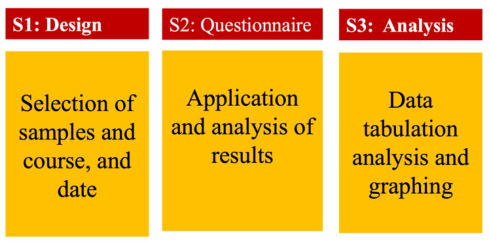
Figure 1: Outline of the study’s methodology.
The sample size is estimated at 342 with a 5% acceptable margin of error and 95% level confidence in order to determine the prevalence of self-medication. The sample size was distributed proportionally between technical and engineering majors.
A questionnaire was used to collect the data. A self-administered ques- tionnaire consisting of 13 items subdivided into two sections. The first part of the questionnaire included background data of the participants (age, sex,) The second part of the questionnaire included data about self-medication practices covering self-prescribing antibiotics, reasons for self-medication, reported symptoms associated with antibiotics self-medication, knowledge of the side effect of the antibiotic abuse (development of microbial resistance) All students voluntarily participated in the survey after being briefed about the study objectives. An informed consent of study subjects with a full right to withdraw was obtained. The questionnaire was anonymous and all obtained data were kept as confidential.
Exploring Self-Medication Practices Among Undergraduate University Students 43
RESULTS
A self-administered questionnaire consisting of 13 items was distributed to 342 participants through quota sampling in the following fields of study: Biotechnology Engineering (5), Manufacturing and Industrial Design Engi- neering (15), Computer Engineering (32), Industrial Maintenance Engineer- ing (19), Industrial Safety and Environmental Engineering (10), Business Administration Technician (22), University Technician in Food (3), University Technician in Biotechnology (8), University Technician in Construction (25), University Technician in Environmental Control (5), University Technician in Electricity (25), University Technician in Electronics (17), University Tech- nician in Renewable Energies (8), University Technician in Informatics (29), University Technician in Industrial Maintenance (24), University Technician in Automotive Mechanics (24), University Technician in Industrial Mechanics (18), University Technician in Mining and Metallurgy (29), University Tech- nician in Engineering Projects (6), University Technician in Chemistry with a Mention in Analytical Chemistry (7), and University Technician in Telecom- munications and Networks (11). About 53% of them were male and 88% of them are between 18 and 25 years old. Two hundred and ninety two (85,4%) students used medicine without prescriptions with no statistical differences by age and sex. The 83,7% of students report that they stop taking medica- tion when symptoms disappear. More than 60% of self-medicated students reported using analgesic and anti-inflammatories, 20% using flu medicine, and 11% antibiotic.
Table 1. Pattern of medicine use among self-medicated students.
Table available in the original PDF paper.
Pattern Frequency Percent Reason for self-medication
147 60 49 20
Lack of time to go the doctor Not always necessary to consult a doctor When using medication without a prescription
214 57 72 19
Due to the onset of symptoms Due to urgency
224 55 75 18
If symptoms persist after self-medicating, what should be done?
Go to the doctor Change of medication/increase in dosage
DISCUSSION
Numerous studies have been conducted in different countries investigating self-medication practices among university students (Zewdie et al., 2020). This study aimed to evaluate self-medication practices among university stu- dents. According to this study, the prevalence of self-medication was 85,4%. Similar findings have been reported in studies conducted among university students in Nigeria (81,8%) (Kanwal et al., 2018), Serbia (79,9%) (Lukovic et al., 2014), South India (78,6%) (Kumar et al., 2013) and Jordan (96,8%) (Alshogran et al., 2018).
Analgesics and anti-inflammatories were the most frequently utilized cat- egory of medications, consistent with previous reports. The study serves as the initial stage in developing customized interventions to address the prob- lem. Nonetheless, it encountered certain limitations. The findings hinged on self-reported data, thereby posing the risk of both over- and under-reporting.
In this context, the prevalence of self-medication among students can be seen as a result of various human factors, such as time constraints leading to a preference for quick solutions, lack of access to healthcare services, and potentially misguided beliefs about medication efficacy and safety. These fac- tors highlight the importance of designing environments and systems that support safe and informed healthcare practices.
From an ergonomic perspective, interventions aimed at promoting safe medication practices could involve redesigning educational materials to be more engaging and tailored to the needs and preferences of young adults. This might include incorporating interactive elements, multimedia formats, and real-life case studies to enhance comprehension and retention of information.
Furthermore, ergonomic principles can guide the development of poli- cies and regulations governing the advertising and selling of medications to ensure that they are accessible, but also responsibly marketed and used. This might involve implementing ergonomic controls, such as restrictions on the promotion of over-the-counter medications that are prone to misuse or abuse.
CONCLUSION
The findings of the present study indicate a high prevalence of self-medication practices among university students. These results emphasize the importance of implementing interventions aimed at reducing such practices. This could be accomplished by increasing awareness of the consequences of self-medication through educational campaigns and mandatory undergraduate courses.
Overall, this study underscores the interdisciplinary nature of addressing public health challenges like self-medication, which requires insights from fields such as human factors and ergonomics to develop holistic and effective interventions that consider the complex interplay between individuals, their environments, and healthcare systems.
REFERENCES
Aljaouni, M. E., Hafiz, A. A., Alalawi, H. H., Alahmadi, G. A., & AlKhawaja, I.
(2015). Self-medication practice among medical and non-medical students at Taibah University, Madinah, Saudi Arabia. Int J Acad Sci Res, 3(4), 54–65. AlRaddadi, K. K., Barakeh, R. M., AlRefaie, S. M., AlYahya, L. S., Adosary, M. A., & Alyahya, K. I. (2017). Determinants of Self-medication among Undergraduate Students at King Saud University: Knowledge, Attitude and Practice. Journal of Health Specialties Volume, 5(2). Amarasiri, M., Sano, D., & Suzuki, S. (2020). Understanding human health risks
caused by antibiotic resistant bacteria (ARB) and antibiotic resistance genes (ARG) in water environments: Current knowledge and questions to be answered. Critical Reviews in Environmental Science and Technology, 50(19), 2016–2059.
Exploring Self-Medication Practices Among Undergraduate University Students 45
Aslam, A., Gajdács, M., Zin, C. S., Ab Rahman, N. S., Ahmed, S. I., Zafar, M. Z., & Jamshed, S. (2020). Evidence of the practice of self-medication with antibi- otics among the lay public in low-and middle-income countries: A scoping review. Antibiotics, 9(9), 597. Alshogran, O. Y., Alzoubi, K. H., Khabour, O. F., & Farah, S. (2018). Patterns of self-
medication among medical and nonmedical University students in Jordan. Risk management and healthcare policy, 169–176. Bekele, S. A., Argaw, M. D., & Yalew, A. W. (2016). Magnitude and factors associated with self-medication practices among university students: the case of Arsi Uni- versity, College of Health Science, Asella, Ethiopia: cross-sectional survey based study. Open Access Library Journal, 3(6), 1–15. Elmahi, O. K. O., Musa, R. A. E., Shareef, A. A. H., Omer, M. E. A.,
Elmahi, M. A. M., Altamih, R. A. A.,... & Alsadig, T. F. M. (2022). Perception and practice of self-medication with antibiotics among medical students in Sudanese universities: A cross-sectional study. PloS one, 17(1), e0263067. Furreh, F. H., Eltayeb, A. A. M., Hamza, M., Ahmed, M., Mohamed, A. N. M., Shayoub, M. E., & Osman, H. M. (2016). Self-medication practice among health science students in International University of Africa (Iua), Khartoum, Sudan. World J Pharm Res, 5(5), 61–69. Gutema, G. B., Gadisa, D. A., Kidanemariam, Z. A., Berhe, D. F., Berhe, A. H.,
Hadera, M. G.,... & Abrha, N. G. (2011). Self-medication practices among health sciences students: The case of Mekelle University. Journal of Applied Pharmaceutical Science, (Issue), 183–189. Helal, R. M., & Abou-ElWafa, H. S. (2017). Self-medication in university students from the city of Mansoura, Egypt. Journal of environmental and public health, 2017. Holmes, A. H., Moore, L. S., Sundsfjord, A., Steinbakk, M., Regmi, S., Karkey,
A.,... & Piddock, L. J. (2016). Understanding the mechanisms and drivers of antimicrobial resistance. The Lancet, 387(10014), 176–187. Jian, Z., Zeng, L., Xu, T., Sun, S., Yan, S., Yang, L.,... & Dou, T. (2021). Antibiotic resistance genes in bacteria: Occurrence, spread, and control. Journal of basic microbiology, 61(12), 1049–1070. Kasulkar, A. A., & Gupta, M. (2015). Self medication practices among medical
students of a private institute. Indian journal of pharmaceutical sciences, 77(2), 178. Kanwal, Z. G., Fatima, N., Azhar, S., Chohan, O., Jabeen, M., & Yameen, M. A. (2018). Implications of self-medication among medical students-A dilemma. JPMA. The Journal of the Pakistan Medical Association, 68(9), 1363–1367. Kumar, N., Kanchan, T., Unnikrishnan, B., Rekha, T., Mithra, P., Kulkarni, V.,...
& Uppal, S. (2013). Perceptions and practices of self-medication among medical students in coastal South India. PloS one, 8(8), e72247. Lai, C. K., Ng, R. W., Leung, S. S., Hui, M., & Ip, M. (2022). Overcoming the rising incidence and evolving mechanisms of antibiotic resistance by novel drug delivery approaches–an overview. Advanced Drug Delivery Reviews, 181, 114078. Limaye, D., Saeed, F., Ahmad, M., Pitani, R. S., & Fortwengel, G. (2017).
Self-medication practices among university students from Karachi, Pakistan. Inter- national Journal of Community Medicine and Public Health, 2017(4(9)), 3076–3081.
Lukovic, J. A., Miletic, V., Pekmezovic, T., Trajkovic, G., Ratkovic, N., Aleksic, D., & Grgurevic, A. (2014). Self-medication practices and risk factors for self-medication among medical students in Belgrade, Serbia. PloS one, 9(12), e114644. Nabaweesi, I., Olum, R., Sekite, A. B., Suubi, W. T., Nakiwunga, P., Machali, A.,... &
Katagirya, E. (2021). Antibiotic practices, perceptions and self-medication among patients at a National Referral Hospital in Uganda. Infection and drug resistance, 2155–2164. Nadeem, S. F., Gohar, U. F., Tahir, S. F., Mukhtar, H., Pornpukdeewattana, S., Nukthamna, P.,... & Massa, S. (2020). Antimicrobial resistance: more than 70 years of war between humans and bacteria. Critical Reviews in Microbiology, 46(5), 578–599. Nepal, G., & Bhatta, S. (2018). Self-medication with antibiotics in WHO Southeast
Asian Region: a systematic review. Cureus, 10(4). Niroomand, N., Bayati, M., Seif, M., Delavari, S., & Delavari, S. (2020). Selfmedication pattern and prevalence among Iranian medical sciences students. Cur- rent drug safety, 15(1), 45–52. Perry, J. A., & Wright, G. D. (2013). The antibiotic resistance “mobilome”: searching
for the link between environment and clinic. Frontiers in microbiology, 4, 138. Reddy, S., Kaur, K., Barathe, P., Shriram, V., Govarthanan, M., & Kumar, V. (2022). Antimicrobial resistance in urban river ecosystems. Microbiological Research, 263, 127135. San Millan, A. (2018). Evolution of plasmid-mediated antibiotic resistance in the
clinical context. Trends in microbiology, 26(12), 978–985. Shoaib, M. H., Yousuf, R. I., Anjum, F., Saeed, L., Ghayas, S., Ali, T.,... & Nisa, Z. (2013). Survey based study on the use of non-prescription drugs among pharmacists and non-pharmacists. Afri J Pharm Pharm, 7(38), 2652–2656. Tuyishimire, J., Okoya, F., Adebayo, A. Y., Humura, F., & Lucero-Prisno III, D.
E. (2019). Assessment of self-medication practices with antibiotics among under- graduate university students in Rwanda. The Pan African Medical Journal, 33. Yin, X., Mu, K., Yang, H., Wang, J., Chen, Z., Jiang, N.,... & Wu, J. (2021).
Prevalence of self-medication with antibiotics and its related factors among Chi- nese residents: a cross-sectional study. Antimicrobial Resistance & Infection Control, 10(1), 89. Wang, X., Zhang, H., Yu, S., Li, D., Gillings, M. R., Ren, H.,... & Luo, Y.
(2024). Inter-plasmid transfer of antibiotic resistance genes accelerates antibiotic resistance in bacterial pathogens. The ISME Journal, 18(1), wrad032. Wright, G. D. (2007). The antibiotic resistome: the nexus of chemical and genetic diversity. Nature reviews microbiology, 5(3), 175–186. Zamojska, D., Nowak, A., Nowak, I., & Macierzy´nska-Piotrowska, E. (2021).
Probiotics and postbiotics as substitutes of antibiotics in farm animals: A review. Animals, 11(12), 3431. Zewdie, S., Andargie, A., & Kassahun, H. (2020). Self-medication practices among undergraduate University Students in Northeast Ethiopia. Risk management and healthcare policy, 1375–1381. Zeru, N., Fetene, D., Geberu, D. M., Melesse, A. W., & Atnafu, A. (2020). Self-
medication practice and associated factors among University of Gondar College of Medicine and Health Sciences Students: a cross-sectional study. Patient preference and adherence, 1779–1790. Zhang, A., Hobman, E. V., De Barro, P., Young, A., Carter, D. J., & Byrne, M.
(2021). Self-medication with antibiotics for protection against COVID-19: the role of psychological distress, knowledge of, and experiences with antibiotics. Antibi- otics, 10(3), 232.
LISTED IN THE AHFE DIGITAL BOOKSTORE CATALOGUE
Explore the complete digital volume
Healthcare and Medical Devices
Read this individual research paper free through the original publisher, or explore the full digital proceedings book.
ISBN 978-1-964867-06-9
Explore this ISBN in the AHFE Bookstore ↗Listed in the July 2026 bookstore catalogue; search by ISBN to confirm current availability · Digital book purchase optional