Xinqiao Wang (2022). Design of a family product and service system "DOSE" to fulfill the emotional needs of patients with depression. In: Affective and Pleasurable Design. AHFE Open Access, vol. 41, pp. 282–292. https://doi.org/10.54941/ahfe1001808
The latest data from the World Health Organization (WHO) in 2019 [1] demonstrate that more than 350 million people suffer from depression worldwide, and depression is estimated to be the world's largest burden of disease in 2030. The major treatment methods for depression are drug therapy and physical therapy, both of which have limitations reflected in the lack of emotional communication between patients and their families [2]. This paper aims to solve the problem of emotional communication reconstruction between patients with depression and their families. Specifically, an auxiliary treatment service system based on the patient-family model of "DOSE" is developed to enhance the emotional communication between the patient and the family and assist depression patients in completing the treatment. Furthermore, the feasibility of the "DOSE" system is tested and evaluated with the empathy theory [3] and five sense design theory [4].
Design Background Manifestations of Depression Symptoms The main symptoms of depression are low mood, loss of interest, and lethargy, accompanied by physical complications, such as inability to concen- trate, easy distraction, insomnia, decreased reflexes, less activity, and unexplained fatigue (Liu Na, 2021).
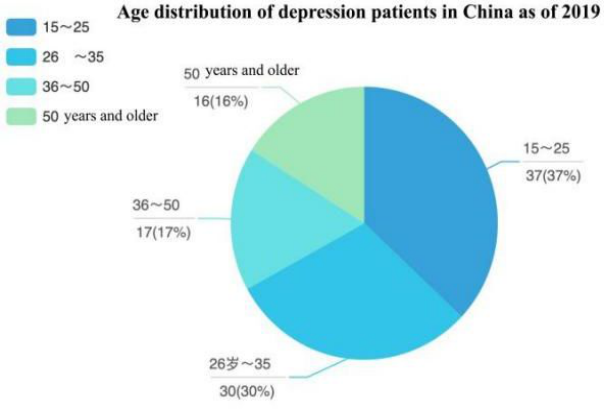
Analysis of the Current Situation of Depression Patients in China Depression patients in China account for 6.1% of the total number of people suffering from depression in the world, 3 percentage points higher than the global average (Liu Lihui, 2021). Thus, depression patients in China are increasing year by year, while the proportion of patients recei- ving treatment is not high, and there is still a high recurrence rate after treatment.
Figure 1: Age distribution of depression patients in China in 2019 (Zhang Chaodi, 2021).
Age Composition of Depression Patients in China Cause Analysis The figure suggests that young people aged 15–25 are the most essential group of depression patients in my country (Figure 1). The reasons are described from 4 aspects.
a. Family: the interpersonal skills are lacking, the childhood trauma has far- reaching effects, the extreme educational concept of the parents leads to either excessive control or excessive indulgence and doting. b. Emotion: emotional frustration, resulting in psychological distress. c. Society: high employment pressure and lost feeling. d. Changes: Stressful events, such as sudden changes in health status and living environment.
The analysis revealed a large base and a considerable number of ado- lescents with depression. However, society generally does not pay enough attention to it (Zhang Yuhuan, 2021).
Treatment Classification and Treatment Methods Non-effective Treatments: Non-emotional treatment methods commonly include drug therapy, light therapy, and physical therapy. External interventi- ons are used to treat depressed patients. However, electroconvulsive therapy and repeated transcranial stimulation therapy are difficult to use for a long time due to the long period, difficult treatment, and easy secondary injury (Lu Shaolong, 2021).
Emotional Therapy: Emotional therapy is based on psychotherapy, which is another therapeutic element in addition to traditional physical and drug therapy. It is frequently applied in modern medicine and include supportive psychotherapy, interpersonal psychotherapy, cognitive behavioral therapy
284 Wang
and comprehensive family therapy for depression. In addition to the advan- tages, the popularity of emotional therapy of the public is not high, and there are problems such as poor communication between doctors and family members, as well as delayed cooperation.
Problems in the Treatment Method a. The “black box effect” - an obstacle to treatment: During the treatment process, the patient has an excessive fear of the unknown treatment results, leading to doubts about others and the psychologist. It is called the “black box effect” in psychology (Lu Shaolong, 2021). b. Delay in treatment: The lack of professional knowledge of depression itself will enable family members and patients to relax their vigilance. Moreover, premature reduction or withdrawal of drugs on their own will increase the recurrence rate (Zhang Chaodi, 2021). c. Ignoring the healing cycle: Neglecting the clinical cure period will cause the condition easy to deteriorate and relapse, and it is difficult to achieve the goal of clinical cure.
Therefore, self-cognition and emotional treatment of depression patients are imperative. Concurrently, the cognition of the patient’s family members to the disease process is equally crucial. Both of these misunderstandings could result in prolonged treatment cycles and difficulty in progressing the treatment process.
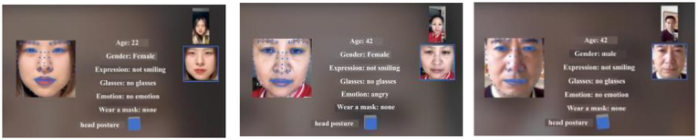
USER RESEARCH This chapter aims to verify the necessity of emotional therapy and family relationship in the treatment by analyzing the interview data of the respon- dents and recording their interview data through in-depth user interviews. Use Baidu AI’s recognition algorithm to understand the subtle emotional changes of patients, family members and consultants during the interview process.
Sample Size There are 18 user samples in this survey, and 3 user portrait models are sor- ted and analyzed (Figure 2). The research adopts one-to-one interviews to analyze the interviews at the three levels of Norman instinct, behavior, and reflection.
User Portrait Data Analysis Patient information: Ma Jingyi, a third-year student of Taiyuan Univer- sity of Technology, seven-year history of depression, three-year history of schizophrenia.
Family information: He Jie’s daughter suffered from depression for 6 years. Psychologist information: Li Gang, psychological counselor Level 2, has 23 years of experience in psychological counseling and in-depth research on depression.
Design of a Family Product and Service System 285
Figure 2: AI facial analysis data.Table 1. Arrangement of interview results.
Table available in the original PDF paper.
Emotional Changes
Instinct Layer Behavioral Layer
Reflection Layer
Patient Family factors, own personality Surrounding environment
None Sensitive information could made they exhibit irritability, disdain to answer, and uncooperative emotions
Violent output, inward injury, severe somatization, lack of emotional expression, loss of internal identity Family Blindly accepting, outward venting “Wise men” solve puzzles, ask emotions, and understand the details of life
None When patients perform some behaviors that hurt themselves, they will present anger, helplessness, and sadness Psychologist Worrying status,
There was no mood swing during the interview
Reassure patients and encourage families
Follow up treatment and find breakth- roughs
initial diagnosis, type of judgment, choice of treatment
In Table 1, the keywords of the interview results are summarized and cate- gorized through the relevant theories of Norman’s instinct layer, behavior layer, and reflection layer (Donald A. Norman, 2017). The table below sug- gests that both the reflection layer and the behavior layer of the patients are missing, and the behavior layer of the family members is also partially mis- sing. It implies that only a single treatment method cannot allow patients to have deeper communication with their families in the process of daily life. Therefore, it is necessary to design interventions to assist treatment.
To sum up, there are phenomena such as poor communication and ina- ctive communication between patients and their family members. Besides, family members have little understanding of depression and make mista- kes in coping. Counselors can also cause delays or miscalculations in tre- atment schedules due to unprofessional feedback from family members.
286 Wang
Notably, the patients and their family members demonstrated concern for each other, while good empathy has not appeared and needs to be fur- ther strengthened (Liu Ziping, 2021). Therefore, it is essential to construct an effective bridge between patients, family members, and psychological counselors.
Assistive Treatment Service System of Family Model - “DOSE” The “DOSE” family model-assisted treatment service system focuses on the cognitive and reflective layers of patients while applying the principle of empathy design. In this way, family members can better assist patients with depression to complete good treatment.
From the Patient’s Perspective Cognitive: A clear understanding and cognition of the condition is the key to treatment for patients with depression. Regarding the design output, it will strengthen the patient’s external communication channels to promote positive communication with the outside world. From reflection: Hopefully, through the design of the media, patients can communicate with the outside world and their families in a step-by-step man- ner while paying attention to the realization of the patient’s own value and the satisfaction of emotional needs.
From the Perspective of Family Members Empathy: According to a South Asian research report with empathy as a moderator between empathy and happiness, empathy is a predictor of increased happiness in adolescents and young adults (Donald A. Norman, 2017). By combining G. Egan’s empathy hierarchy theory (Liu Ziping, 2021), the design is divided into two steps. The first step is to let family members under- stand the patient’s illness, and initially establish a trusting relationship to satisfy the requirements of primary empathy. The second empathy is comple- ted on the basis of sympathy and understanding when family members can effectively control the self-empathy response.
Behavioural - Active Participation a. Family members should encourage depressed patients to express their inner feelings: depressed patients frequently have difficulty expressing their true inner feelings, and patients should be encouraged to express their needs and worries at this time. b. The family assists the patient to complete the management of daily life. The journal “Chronic Diseases” provides data indicating that rea- sonable diet, nutritional intake, and regular exercise can alleviate the symptoms of depression to achieve the purpose of adjuvant therapy (Zhang Yuhuan, 2021). c. Familiar with the treatment process of depression: the companionship of family members also plays a vital role. Gentle reminders, under- standing, and care during the treatment process can positively support patients.
Design of a Family Product and Service System 287
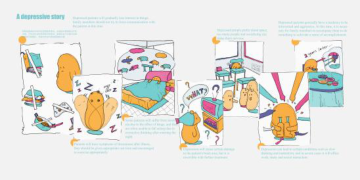
Figure 3: Cognitive cartoon.
Service Process of the “DOSE” System The family-based adjuvant therapy service system, “DOSE”, considers not only the design of the ports for patients and their families but also the entire set of emotional adjuvant therapy service systems. The features of this service blueprint are that it simplifies the process of psychologists establi- shing files, confirming illnesses, and analyzing patient behavior, as well as the organization process of background activities. Consequently, the patient’s treatment experience and the communication channels between patients and their families are improved (Liu Ziping, 2021).
The whole process is divided into four stages: the zero stage (diagnosis stage), the first stage (adaptation stage), the second stage (run-in stage), and the final third stages (consolidation stage). Staged treatment allows patients and their families to gradually adapt to the treatment process and can pro- vide new research directions and references for future treatment methods (Liu Jian, 2020).
Process Stages Stage zero (diagnosed stage) The depressed mood appears - diagnosed Patient: learn about usage - quests/games in the experience log. Dependents: learn through the Internet/friend recommendation - introdu- ctory seminar training - lottery/experience training to obtain logs - necessary treatment process (with trial opportunity).
Psychologist: patient diagnosis - family discussion - playing promotional video - detailed instructions - introduction to use process.
The First Stage (Adaptation Period) Emotional Stability
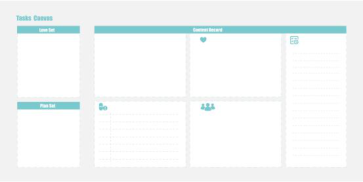
Patient: custom settings of the task list (Figure 3). Record hobbies and plans and try to actively participate in the treatment process. Let the patient recall the past life, help the patient establish a sense of achievement, and increase communication with the outside world.
Dependents: use clear visual data to present the current state of depression to family members. Through cognitive cartoons could help family members to improve the relationship between the two parties (Figure 4).
288 Wang
Figure 4: Task list 1.0.Figure 5: You come to collect me to post.Figure 6: Home location reference map.
The Second Stage (Run-in Period) Mood Swings / Emotional Outbursts
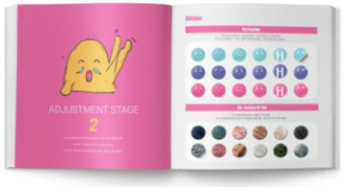
Patient: there are two columns on the patient’s inner page, feedback on things and emotions on family members (Figure 5). The feedback stickers have six different emotions from joy to anger, and the three colors are dif- ferent. patients can choose according to their own mood. The emotional feedback of the family members adopts different surface texture designs. The meaning of the expression is explained by the patient, giving them enough space to play (Zhou Yan, 2021).
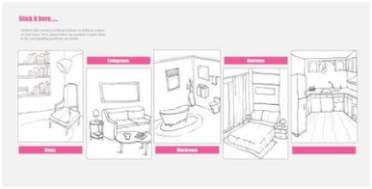
Dependents: the inner page of the reference book exhibits the schema- tic diagrams of different rooms, instructing the family members to collect stickers and paste them in the corresponding positions on the inner page (Figure 6). By collecting the stickers, family members can more clearly under- stand the mood of the patient and strengthen communication with the patient.
Design of a Family Product and Service System 289
Figure 7: Patient emotion card.Figure 8: Task list 2.0.
The Third Stage (Consolidation Period) Treatment Recovery Period
During the consolidation period, more emphasis was placed on the design of the reflection layer, and its information, functions, and usage methods were more closely explained (Han Yuxin, 2021).
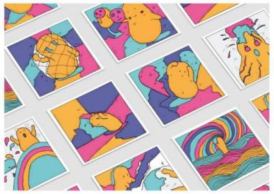
Patient: the abstract cards have intuitive and visual meanings such as dro- wning, stress, anger, and happiness (Figure 7). Patients can also interpret them from their perspectives (Zhao Yu, 2021). Patient provides answers with abstract cards, and communicates with family members. In the first stage of adaptation and the second stage of the running-in period, patient has accu- mulated some sense of accomplishment through the completion of their own established tasks, Checklist 2.0 requires the patient and family to cooperate and complete together.
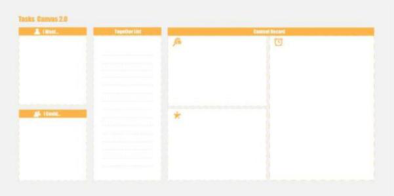
Dependents: the difference between 2.0 and the task list 1.0 is that the setting of the project and the completion of the plan must be conducted by the family and the patient (Figure 8).
The Fourth Stage (Follow-Up Period) Social Adaptation Period
Following the recent main hope to tackle the problem of high recurrence rate of patients with depression, we should further consider the logical stru- cture of the reflection layer and integrate medical treatment into the daily life of patients and their families in a soft game manner, so as to reduce the sense of separation between treatment and life (Liu Lihui, 2021).
During the follow-up period, although the overall steps remain unchanged, the processing time is prolonged, and the maintenance of the continuous state
290 Wang
Figure 9: Offline activity process.
Figure available in the original PDF paper.
Figure 10: Real shot of “DOSE” system trial.
contributes to the recovery and consolidation of patients (Zhong Guiling, 2020).
Offline Activities As a part of the background process, offline activities are relatively small but essential (Figure 9). Through activities, recovers with experience in reco- very from depression are gathered to share the experience skills and enhance mutual communication.
EVALUATION OF THE POST-COMPLETION OF THE “DOSE” SYSTEM From the Use of Test Analysis
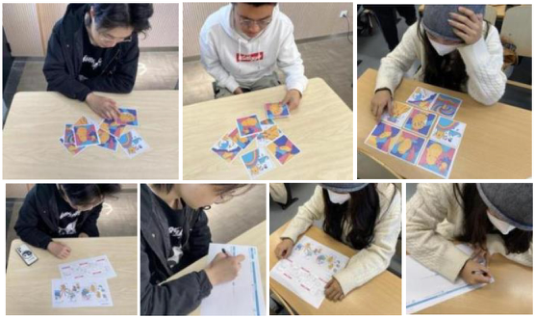
Analyze: When inviting multiple respondents to use the “DOSE” system, users can quickly learn how to use the system through the pilot introdu- ction and quickly enter the use environment (Figure 10). Among many trial projects, emotional cards and task lists are more recognized. Respondents generally mentioned that the color is easy to escape, the content is intere- sting, and the emotional card can arouse their interest in using and have the motivation to use it further.
Tactile Application From CMF The design of the instinct level is derived from human nature, involving mul- tiple sensory levels such as appearance, color, sound, material, weight, and smell (Liu Zhou, 2021). Through the design and application of CMF-related tactile sensations, the emotions that patients are difficult or unwilling to
Design of a Family Product and Service System 291
convey to the outside world can be expressed in the form of quality color cards, so as to deepen the communication and understanding with their fami- lies. Concerning material selection, small button-like cards are composed of different materials such as wrinkled soft paper, woolen fiber, bamboo fiber, organza, fine frosted glass, frosted rock, rolled velvet, corduroy, and velvet (Yao Ziying, 2015). Thus, patients can feel all the textures by themselves and distract their attention in the selection process. Furthermore, the selection of texture and emotion cards can facilitate the follow-up consultants to conduct diagnosis and treatment analysis.
FUTURE APPLICATION (EXTENDED APPLIED SCIENTIFIC VALUE) In the follow-up in-depth design, the sensory channels of smell, sound, and taste will be further explored, the interactive experience of the above three will be integrated into the design of the “DOSE” system, and further analysis and testing will be conducted to reveal whether it can improve the relation- ship between patients and patients. Hopefully, we can help family members to understand the sensitive points of patients’ communication (Yao Ziwin, 2021), adjust language and speech promptly, and assist patients with depres- sion and their families in overcoming this mental cold from the perspective of the five senses.
REFERENCES
Donald A. Norman - Emotional Design[J]. Industrial design, 2017(06):32–33. Han Yuxin, Huang Xin, Ye Cuixian. The application of user experience in CMF design of children’s furniture[J]. Furniture, 2021, 42(03):58–62+95. DOI:10.16610/j.cnki.jiaju.2021.03.013. Liu Jian, Huang Sai, Cao Jiagang, Zou Feng, Han Yuhong. Design method of product
service system based on user-generated content[J]. Packaging Engineering, 2020, 41(24):118-125+142. DOI:10.19554/j.cnki.1001–3563.2020.24.017. Liu Lihui, Li Sini, Cheng Aobo, Wang Wenhui, Zhang Saisai, Zhang Xinwei, Yu Yexian, Zhang Lili, Wang Sujuan, Zhang Yunshu, Li Keqing. Correlation betw- een suicide and blood lipids and other factors in patients with depression[J/OL]. Chinese Journal of Health Psychology: 1-13[2021-11-26].http://kns.cnki.net/kcm s/detail/11.5257.R.20211125.1709.013.html. Liu Na. Study on the clinical efficacy of duloxetine combined with cognitive behavi-
oral intervention in the treatment of patients with depression[J]. Journal of Rare and Lesser Diseases, 2021, 28(06):99–101. Liu Zhuo, Huang Wenjun. Research on the design of regional cultural, tourism, food and cultural service system [J]. Packaging Engineering, 2021, 42(08):314–320. DOI:10.19554/j.cnki.1001–3563.2021.08.044. Liu Ziping, Zhang Yuanjie. Research on Emotional Design of Products[J].industrial
design, 2021(10):73–74. Lu Shaolong, Wu Yingchun, Zhang Hongyan, Gao Tingting. Study on the effect of aripiprazole and sertraline in the treatment of adolescent depression[J]. Contem- porary Medicine, 2021, 27(33):139–141. Tan Jinqing. The effect of empathic nursing on depression and life function in pati-
ents with depression[J]. Journal of Chronic Diseases, 2021, 22(11):1676–1678. DOI:10.16440/J.CNKI.1674–8166.2021.11.16.
292 Wang
Wang Wenjia. User experience measurement system based on emotion[J]. Quality in China, 2021(09):57–60. DOI:10.16434/j.cnki.zgzl.2021.09.012. ya oz I win, yang z Hongliang, fan LE name, l IU J Ian jun. research on pro-
duct service system design for industrial design [J]. packaging engineering, 2021, 29(03):140–143. DOI:10.19461/j.cnki.1004–8626.2021.03.038. Yao Ziying, Yang Zhongliang, Fan Leming, Liu Jianjun. Research on product service system design for industrial design [J]. Packaging Engineering, 2015, 36(18):54–57. DOI:10.19554/j.cnki.1001–3563.2015.18.012. Zhang Chaodi. On the Evolution of Emotional Design of Ceramics——From
the Perspective of Donald A. Norman’s Three-level Theory[J]. Grand View, 2021(03):84–87. Zhang Yuhuan, Pang Dong, Chen Dong, Sui Shujie. Research status of narrative therapy in the psychological adjustment of mentally ill patients [J]. Journal of Nursing Training, 2021, 36(22):2051–2054. DOI:10.16821/j.cnki.hsjx.2021.22.008. Zhao Yu, Huo Qianwei, Chen Chen. Based on the CMF system to evaluate the influ-
ence of style art on modern design [J]. Art Education Research, 2021(04):70–71. Zhong Guilin, Qi Na. Research on product service system design under the background of sharing concept [J]. Industrial Design Research, 2020(00):138–143. Zhou Yan, Liu Xiaosheng, Wang Yong, Ding Wenjiao. Construction of CMF innovative design experience platform combining virtual and real [J]. Experimental Technology and Management, 2021, 38(09):27–31. DOI:10.16791/j.cnki.sjg.2021.09.006.
LISTED IN THE AHFE DIGITAL BOOKSTORE CATALOGUE
Explore the complete digital volume
Affective and Pleasurable Design
Read this individual research paper free through the original publisher, or explore the full digital proceedings book.
ISBN 978-1-958651-17-9
Explore this ISBN in the AHFE Bookstore ↗Listed in the July 2026 bookstore catalogue; search by ISBN to confirm current availability · Digital book purchase optional