Sheuwen Chuang, David D Woods, Sen-Kuang Hou (2022). Adaptation Patterns to Cope with Burn Mass Casualty Incidents. In: Human Error, Reliability, Resilience, and Performance. AHFE Open Access, vol. 33, pp. 165–172. https://doi.org/10.54941/ahfe1001581
Understanding and learning from hospitals’ resilient behavior or adequate responses to beyond-surge capacity incidents to be better prepare staff for offering patients the appropriate, timely care is imperative. The study adopted the previous findings from the Formosa-Fun-Coast-Dust-Explosion studies as the base of data analysis. We synthesized the past discoveries and identified nine adaptation patterns. The results systematically organized how two initial receiving hospitals’ responsive adaptations changed over time to cope with the difficulties in the emergency departments in the aftermath of the mass burn casualty incidents. The benefit of the pattern approach can in-crease the efficiency and effectiveness of the learning process.
Large-scale burn disasters can produce casualties that threaten medical care systems. Hospitals need to provide essential emergency care during patient surge following a burn mass casualty incident. The Formosa Fun Coast Dust Explosion (FFCDE) occurred on June 27, 2015 in Taiwan, and caused 499 injuries. Most of these injuries constituted serious burns. Within 6 hours, 499 burn victims had been transported to 36 hospitals including 10 large medical centers, 23 regional hospitals, and 3 district hospitals across regions (Wang, et.al., 2017). These hospitals differed in their response capacity in terms of critical care bed numbers, burn care capability, accreditation level, and distance to the disaster scene. Despite the extreme patient surge and limi- ted resources, the overall mortality rate was 3% (15 out of 499). This result was acknowledged by the international emergency medicine community.
Some initial receiving hospitals experienced severe difficulties due to insuf- ficient surge capacity. According to the previous findings of the FFCDE studies (Chuang et al., 2019a, 2019b), the hospitals’ emergency response plans did not fully support emergency medicine in the events. The hospitals relied on adaptive responses to deal with the patient surge to generate ade- quate emergency care resources accordingly. These adaptations were either irregular responses or ad hoc efforts to extend medical care for burn care in ED or wards, such as adjusted bure care treatment, abnormal material
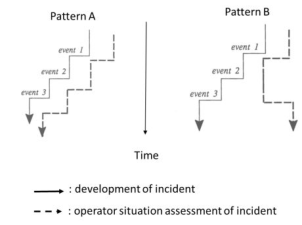
Figure 1: Concept of pattern (adopted from Woods 1988).
mobilization, and space reconfiguration. These adaptations differed from the planned or exercised emergency care activates, but were the keys to successfully dealing with the events.
Understanding and learning from hospitals’ resilient behavior or effective responses to the incidents to be better prepare staff for offering patients the appropriate, timely care is imperative. Therefore, the study aimed to observe the initial receiving hospitals’ responses in the emergency department (ED) period, and to identify adaptations patterns that played out over time and across various specific situations in the aftermath of a burn mass casualty incident. Ultimately, the identified patterns can cut through the variations in the surface responses to reveal underlying and regularities of emergency care services during mass casualty events for future efficient learning.
METHODS
This study is part of a larger project centered on the development of resilient disaster response strategies. It focused on analyzing the hospitals’ responses to the situations they were challenged in ED period, starting when the hospi- tal was first informed of the FFCDE and ending with the discharge or transfer of all FFCDE patients from EDs. It collected the interview data with clinici- ans and relevant hospital records from two initial receiving hospitals beyond their surge capacity. Data analysis of the two hospitals’ responses involved chronological process-tracing analysis, synthesis, and compare and contrast analysis in developing responsive adaptation patterns. The contents of these analysis are described in more detail in individual publications about each hospital (Chuang et al., 2019a, 2019b).
The synthesis process of developing adaptation patterns based on softw- are engineering definition for patterns. Which patterns illustrate solutions to problems that can be applied, in a suitable context, many times but never end up with completely identical solutions (Gamma et.al., 1995). This definition of patterns represents three main elements of a pattern: the context, pro- blem, solution paradigm. Besides, the study adopted Woods’ concept chart describing the patterns’ meaning with time changes (Fig. 1) (Woods, 1988).
Hence, the definition of adaptation patterns used in this study provides a format of describing context, time, response to presented problem, and cascaded issues.
Adaptation Patterns to Cope with Burn Mass Casualty Incidents 167
RESULTS
Based on hospitals’ characteristics, the detailed timelines of hospitals’ over- load situations, and descriptions for hospital’s responses in separate publi- cations, the study found three prominent shortages: lack of staff (burn professionals, clinicians, administration personnel); structure (ED space, beds), and stuff (burn medical materials, ambulance, stretchers). A variety of adaptations was synthesized into responsive adaptation patterns. Five types of adaptation patterns (P1 – P5) with alternative subtypes, i.e., P1a, P1b, due to the context changed over time. Overall, there are nine patterns found (Table 1 – 3). Each responsive adaptation coping with a specific shortage indi- cates the critical role which took the responsibility to proactively or reactively deal with the problem within a particular context. Besides, each pattern pre- sented the cascaded issues triggered by its previous adaptations and was either controlled synchronically by proactive initiatives or reacted while facing the problem.
Table 1 demonstrates three patterns in two dimensions: level of burn care expertise and insufficient staff. Hospitals with different burn care expertise levels directed different emergency medical treatments that developed diffe- rent cascading effects on shortage of structure and stuff. Such as “caused the gridlock of trauma room and other ED space,” and “quick shortage of intu- bation devices and equipment.” Besides, a typical adaptation pattern to cope with insufficient staff overtime was identified. Due to their low priorities, the pattern caused two cascaded problems that were not solved during the MCI period. They are “incomplete medical documentation” and “incomplete and imprecise mass casualties list in time.”
Table 2 indicates three patterns to cope with the shortage of ED space, ICU- /burn beds. Patterns P3a and P3b are distinct due to distance to the disaster scene. Although EDs have an escalation policy of relocating existing patients to open acute space for victims, hospitals lacked the disaster information in time and uncertainty about the victims’ arrival. They often adopted a stepwise relocation procedure under a contingency event. As a result, either generated cascading effect on ED space, i.e., the gridlock of trauma room and other ED space, or adjusted emergency medical treatments for victims, i.e., deferred coating ointment. A reorganization and re-ordering ED disorders in time is imperative to resume ED operation efficiency. In addition, a typical adapta- tion pattern to cope proactively with lack of ICU beds was identified (ICU bed-P4), and anticipation of a shortage of special burn care teams for the boarded burn patients enabled the mobilization of clinical staff in advance through the best use of hospital’s convenience extensibility.
Table 3 shows three patterns (P5a, P5b, P5c) coping with stuff shortage. The patterns were distinguished by the stock level of burn care materials and the demand of burn patients. Coordinately bypassing standard procedures across roles, units, and external organizations to quickly fulfill demand were the typical responses though the demand for stuff was varied. Shortage of stuff could be recognized easier by the hospital with limited burn care mate- rials than the hospitals with moderate inventory levels of burn care materials under the effect of uncertainty about victims’ information. Rapidly reactive
ointment & others in ED
deterioration for high-acuity
patients
room and other ED space
devices and equipment but not
burn dressing
waiting for ICU beds
casualties list in time
were confused by clinicians
Incomplete and imprecise mass
Duplicated or missed patient ID
Incomplete medical documentation
Quickly reaching shortage of burn
Might develop risks of
Caused the gridlock of trauma
Quick shortage of intubation
More intubated patients in ED
and registration.
documents provided afterword.
triage and registration, till confusion of patient identification was
discovered, then changed into MCI patient registration numbering
system and reorganization of patient IDs
days’ treatment.
sever burn patients.
necessary intubations and coated most not all victim with full scale
burn dressing.
ED before the first victim arrived.
as victims and staff arrived in the ED.
surgical managers when she saw news report off-site before the
victims came.
EOC and VP’s call before the first victim arrived.
care protocol, including coating every burn patient in full scale.
monitoring them in ED
Senior managers called EOC to stop sending
ED nurse leader or nurses assisted the triage for non-burn patients
Discharged relatively lower risk patients
Medical documentation was deferred
Simplified transfer procedures by oral handoff, plus limited
ED team initially followed the regular emergency protocol for
Deferred reporting the information of MCs to MOHW on line
Staff worked overtime to extend care from ED to wards.
Senior managers proactively organized CDTs for the following
OdP and OdHN activated ERP alarm after treating the first two
ED OdP followed emergency burn care protocol and made
ED OdP urgently called for on-site physicians to assist intubation
Senior managers called for offsite physicians
ED OdP coordinately reconfigured the on-duty working team in
Quick triage and organization of clinical teams changed over time
Clinician managers called for offsite staff.
VP proactively initiated the alerting call to mobilize ED and
ED OdP and OdHN proactively activated ERP alarm after received
SD led patient stabilization and mainly followed emergency burn
Reasonably without intubation for burn patients but closer
with presented shortage Cascaded issues would come and shortage of burn experts
and clinicians.
at burn care for the burn MCs.
arrived unexpectedly fast
demanded intubation experts
uncertainty about how many burn patients
would come,
confused by clinicians
care team for the transferred patients in
wards at next following days
1. Victims with several high-acuity patients
2. More patients needed intubation which
1. Victims continuously arrived with
2. Lack of clinicians and administration staff
3. Duplicated or missed patient ID were
4. Anticipation of shortage of special burn
1. Anticipating an influx of burn patients
2. Clinicians on duty had limited experience
hospital nearby the
disaster scene
insufficient staff for
burn care, registration,
and documentation
hospital located farther
to the disaster scene
Staff – P1b Less-burn expertise
Staff – P2 Hospital with
Table 1. Responsive adaptation patterns –Interacting effect due to shortage of staff.
ED OdP: Emergency department on-duty physician, OdHN: on-duty head nurse, SD: surgical director, VP: vice president of the hospital, PS: plastic surgeon, CDTs: change dressing teams, MCI: mass casualty
incident.
Adaptation Patterns to Cope with Burn Mass Casualty Incidents 169
room and other ED space
shortage of burn ointment later
back to a controlled state
for the transferred patients in wards
at the next following days
need of intubation in the ICU
Approaching the gridlock of trauma
Deferred coating ointment led the
ED space was reconfigured and ED
Shortage of special burn care team
One acuity patient was found in
No space issue occurred
in the ICU and general wards to mobilize ICU/ward beds
families to get their agreement for relocation
the transfer, he or PS team proactively mobilized the ward on-duty
non-burn patients in the acute area to open space for sever victims
area inside of ED and did not have space and access control.
speed up boarding.
and meeting room, storage room, staff lounge, and shower room
were opened up to allow low-acuity patients to flush their own
burns
overcrowded, and initiated rectification of ED disorder to gain
efficiency in ED space.
physicians to re-evaluate and further re-treat the transferred
patients on arrival.
arranging quick hospital transfer.
relocate patients in the acute area to open space for sever victims
nearby hospital lobby at the early beginning
Senior manager proactively activated emergency transfer protocol
ICU physicians and nurses communicated with stable ICU patients’
LC centrally controlled how many ICU beds were mobilized timely
LC transferred some likely serve burn patients to GWs, but before
ED OdP initially followed the regular emergency protocol relocate
Stepwise relocation of non-burn patients from one area to another
PS suggested to stop coating burn ointment to open ED space and
Minor injured were first treated in triage area outside of ED room,
Discharged non-burn low-acuity patients
A senior ED manager returned and noticed the ED was
VP asked to call every hospital with available ICU beds for
ED OdP initially followed the regular emergency protocol to
ED OdP relocated non-burn patients except the acuity one to the
Discharged non-burn low-acuity patients
with presented shortage Cascaded issues
spaces quickly
patients
1. Anticipation of shortage of ICU beds while saw the influx of severity level of burn
2. Not enough ICU beds (Intubated patients in ED waiting for ICU beds)
3. Might develop risks of sever deterioration for high-acuity patients
1. Anticipation of shortage of acute beds in ED before burn patient arrived.
2. Victims continuously arrived, exhaustion of acute beds in ED andovercrowding ED other
3. Approaching the gridlock of trauma room and other ED space
1. Anticipation of shortage of acute beds in ED before burn patient arrived.
2. Victims would continuously arrive
ICU beds for
high-acuity burn
patients
continuously received
mass casualties with
uncertainty
continuously received
burn patients with
uncertainty
ICU beds –
P4 Hospitals had limited
ED
space-P3b The closest hospital
Table 2. Responsive adaptation patterns – Interacting effect due to shortage of structure.
Table available in the original PDF paper.
Pattern Context Shortage recognition Responsive adaptations coping ED
space-P3a Distant hospital
ED OdP: Emergency department on-duty physician, OdHN: on-duty head nurse, LC: local commander, VP: vice president of the hospital, PS: plastic surgeon,
CDTs: change dressing teams, GWs: general wards
ED, ambulance, and wards
ons, had no issues in wards
ons, had no issues in wards.
Burn patients were safely cared in
Burn materials except for medicati-
Burn materials except for medicati-
formal and informal mobilized ambulances.
patients.
equipment by bypassing standard procedures
finding stretchers
coordinately bypassed standard inventory procedures & admission
of control drug with inventory staff and clinicians.
materials
ointment after transferring patients, took the initiative to call a
supplier and requested an urgent delivery of burn ointment.
coordinately bypassed standard inventory procedures & admission
of control drug with inventory staff and clinicians.
hospitals in the early overload stage.
ointment while ran out burn dressing in ED.
ED period.
ED head nurse coordinately worked with administration staff
Senior attending doctors volunteered to escort the transferred
ED head nurse borrowed tubes, ambu, and portable ventilator
Nurses put patients with injured limbs in wheelchairs before
ED head nurse borrowed stretchers from 119 ambulances
OdHN mobilized internal materials from hospital’s inventory and
A network hospital nearby accordingly supplied burn care medical
A young attending physician anticipated the exhaustion of burn
OdHN mobilized internal materials from hospital’s inventory and
VP proactively mobilized external materials from MOHW allied
ICU nurse returned to her ICU to “liberate” some packs of burn
The allied hospitals provided rapid supplies during the overload
with presented shortage Cascaded issues
stock
materials in hospital inventory
ointment & others in ED
stock and then the hospital’s inventory
shortage of burn ointment later
equipment
when ED started hospital transfer for the
intubated patients
1. ED used up all burn care materials in ED
2. Deferred coating ointment led the
1. ED used up all burn care materials in ED
2. Anticipation of shortage of medical
3. Quickly reaching shortage of burn
1. Quick shortage of intubation devices and
2. Exhaustion of stretchers
3. Lack of ambulances and escort clinicians
victims than surge
capacity and intubated
more patients in ED
moderate level of
medical materials for
burn patients
medical materials for
burn patients
Stuff – P5c Hospital received more
Stuff – P5b Hospitals had
Table 3. Responsive adaptation patterns – Interacting effect due to shortage on stuff.
Adaptation Patterns to Cope with Burn Mass Casualty Incidents 171
coordination between hospital staff was a familiar pattern to mitigate the impact of such challenges.
DISCUSSION AND CONCLUSION This study utilizes the strengths of comparison and contrast analysis and synthesis between two non-burn center hospitals. Based on their unique capa- cities and limitations, the two hospitals were pushed into the position that needed to stand on their own to make varied adaptations or initiatives for tradeoff decisions. This paper has summarized and synthesized the emerging patterns of adaptive responses in EDs to a mass burn casualty incident fol- lowed the FFCDE. The findings have highlighted how hospitals adapted to the shortages of ED capacities by context, and the identified patterns can contribute to future learning for disaster planning and preparedness.
The adaptation patterns are the systematic knowledge of the variable responses with the context variation and timing affected these responses resulted from different hospitals that experienced the same disaster. Accor- ding to Woods’ situation assessment of incidents, actual incidents develop and evolve due to propagation of disturbances, additional faults, failure, or under-adaptation of human and machine elements to respond appropri- ately. The study’s findings imply that situation changes against time played a critical role in evolving an incident and agents’ responses [5]. The use of contextual adaptation patterns can assist hospitals’ staff in dealing with chan- ging events and consequences related to how they responded to them during a mass casualty incident. Variable responses of participants or units to the MCIs that lead to success in stabilizing patient life need to be supported. In contrast, those leading to risky cascading or undesired results need to be tempered.
The two hospitals conducted differently in several responses to deal with the difficulties. However, the successes of the adaptations included dyna- mically reconfiguring coordination and integration across roles and units and anticipation of potential bottlenecks. Moreover, timely anticipatory acti- ons are essential to achieve effective positive results in individuals receiving hospitals. Therefore, when hospitals use the adaptation patterns should also recognize the coordination and communication efforts across units and individuals.
The identified patterns in the study provided a format to document the con- tents for disaster planning and preparedness, including describing context, time, response to the presented problem, and cascaded issues. The benefit of a pattern approach is that hospitals are able to take the idea from a pat- tern and adapt the principle of the responsive solution to solve the challenges or difficulties in front or near future, thus increasing the efficiency of the learning process.
ACKNOWLEDGMENT
This work was supported by the MOST program (grant number MOST 109- 2625—038-001), TAIWAN.
(2019a), Beyond surge: Coping with mass burn casualty in the closest hospital to the Formosa Fun Coast Dust Explosion. Burns 45(4), 964—973. Chuang, S., Woods, D.D., Ting, H.W., Cook, R.I,. Hsu, J.C.(2019b), Coping with Mass Casualty: Insights into a hospital’s emergency response and adaptations after the Formosa Fun Coast Dust Explosion. DISASTER MED PUBLIC HEALTH PREP 23, 1—10. Gamma, E., Helm, R., Johnson, R., Vlissides, J., Design patterns, (1995). Elements
of reusable object-oriented software. Addison-Wesley Longman Publishing Co., Inc, Boston, MA, USA, Wang, T.H., Jhao, W.S., Yeh, Y.H., Pu, C.(2017). Experience of distributing 499 burn casualties of the June 28, 2015 Formosa Color Dust Explosion in Taiwan. BURNS. 43(3), 852—857. Woods, D.D., (1988). “Coping with complexity: The psychology of human behavior
in complex systems”. In L. P. Goodstein, H. B. Andersen, and S. E. Olsen (Eds) Mental models, tasks and errors. pp. 128--148. London: Taylor and Francis.
LISTED IN THE AHFE DIGITAL BOOKSTORE CATALOGUE
Explore the complete digital volume
Human Error, Reliability, Resilience, and Performance
Read this individual research paper free through the original publisher, or explore the full digital proceedings book.
ISBN 978-1-958651-09-4
Explore this ISBN in the AHFE Bookstore ↗Listed in the July 2026 bookstore catalogue; search by ISBN to confirm current availability · Digital book purchase optional