Cristina Carvalho, Gianni Montagna, Carla Costa Pereira, Carlos Manuel Figueiredo (2022). Biodyes: A new solution for textile dyeing technology. In: Human Factors for Apparel and Textile Engineering. AHFE Open Access, vol. 32, pp. 138–144. https://doi.org/10.54941/ahfe1001548
The Textile Industry is one of the most representative industries in the world's industrial structure and has always assumed an important role in the national economy. Globally, and according to a study by Grand View Research, this industry represented 961.5 billion dollars in 2019 (Grand View Research - Global textile market 2020-2027).However, this sector represents the second most polluting industry in the world, and the environmental impacts occur, above all, in terms of water consumption, soil erosion, CO2 emissions and the resulting residues.The textile industry is responsible for the production of 2.1 billion tons of waste, most of which are discarded into the water ecosystem, essentially during the dyeing processes. In fact, dyeing is one of the most polluting processes in the textile industry, representing a high source of pollution of water circuits and environmental ecosystem. According to the World Bank, textile dyeing industries are responsible for 20% of industrial water pollution.This reality acquires even greater proportion when analyzing the quantities of dyes produced. Every year, it is estimated that around 10,000 types of dyes and pigments, and 7x10⁵ tons of synthetic dyes are produced in the market, for this sector. From this production, more than 200,000 tons of dyes are released into industrial effluents during the textile processing phases (dyeing and finishing).To reduce the environmental footprint caused by the textile industry, the replacement of synthetic dyes by others from natural compounds has been the subject of extensive research, through the development of new ways of coloring textile materials.One of the emerging research areas is related to the exploration of obtaining natural dyes, from microorganisms, called Biodyes.The research aims to develop a sustainable dyeing process, through the production of biodyes, from the metabolic study of the production of microorganisms.It is known the potential that exists in the generation of color and a wide spectrum of functionalities, from biotechnology, regarding the metabolic pathway of certain microorganisms, in the specific case from bacteria such as E. Coli. The main advantages of the innovation proposed in the investigation of this research work are compared to synthetic dyes/pigments, its very low environmental impact, in terms of consumption of material and energy resources, environmental pollution and non-toxicity of the resulting effluents. At the same time, the production of dyes from microorganisms, bacteria and/or fungi, has benefits compared to natural alternatives of plant origin due to its independence from seasonal limitations and climatic conditions, as well as the rapid growth of some substances and therefore with much higher biological yields and consequent industrial application.
Biodyes: A New Solution on Textile Dyeing Technology 139
PRINCIPLES AND REFERENCES Nature is rich in colors, whether they come from minerals, plants, microalgae, microorganisms such as fungi, yeasts and bacteria, etc. All of them are quite common in the production of natural dyes or pigments. Among the molecules produced by microorganisms are carotenoids, melanins, flavins, phenazi- nes, quinones, bacteriochlorophylls and more specific monascins, violacein or indigo (Laurent, D., 2019).
The production of biocolorants from microorganisms such as bacteria, fungi, yeasts and algae reveal an innovative and sustainable potential for textile coloring. These, in addition to comprising a wide range of colors, have several ecological benefits (Indumathy & Kannan, 2020). The main advantages of biodyes over synthetic dyes/pigments are related to their low environmental impact, in terms of consumption of material and energy resou- rces and levels of pollution, and non-toxicity (Gulzar et al., 2019). In parallel, the production of dyes from microorganisms also has benefits over natural alternatives of plant origin, due to its independence from seasonal limitations and climatic conditions, as well as the rapid growth of some microorganisms (Pankaj & Kumar, 2016).
The process of pigment biosynthesis includes the fermentation of micro- organisms, and a wide variety of stable compounds can be obtained, such as carotenoids, flavonoids, quinones and rubramines. Fermentation presents higher yields in quantity of pigments obtained in addition to lower residues compared to the use of plants and animals. In addition, some natural dyes, especially anthraquinone-like compounds, have shown remarkable antiba- cterial activity and can thus be used as functional dyes in the production of colored fabrics with antimicrobial properties (Ahmad et al., 2012; Venil et al., 2013). Biodyes can be applied to textile substrates through dyeing and printing processes. In dyeing, the substrate is immersed in a large volume of solution with the dye, imparting color to the entire substrate in contact with it. In printing, a paste is applied that combines the dye with auxiliary products to impart color in specific areas of the substrate, according to a pre-defined pattern (Kumar & Choudhury, 2018). Parallel to the use of dyes - soluble compounds capable of migrating to textile fibers - the printing process can also be developed with pigments. These compounds are insoluble, thus nee- ding to be dispersed in a binder to attach to the surface of the textile substrate (Mahapatra, 2016).
The microbial production of biopigments/biodyes may be the answer to the growing demand for biopigments/biodyes in the world for industrial applica- tion, in particular the textile and clothing industry. The microbial production of biopigments/biodyes to date has revealed several challenges to overcome, such as their low yield, the high cost of production and downstream recovery of these same biopigments/biodyes. Selection of appropriate microorganisms as well as growth conditions such as carbon and nitrogen sources are key parameters for expanding production. In this context, filamentous fungi, yea- sts and bacteria stand out as potential microorganisms for the production of biopigments and their possible industrial applications (S. Sanchez-Munõz et al. 2020).
SYSTEM GENERIC DESCRIPTION Different dyeing processes have been used to investigate the application of biocolorants in different textile substrates. Ahmad et al. (2012) reported the dyeing of cotton, silk, rayon and polyester fibers with bacterial viola- cein pigment, using the bacteria culture medium (Nutrient Broth) as a dyeing bath, heated at 130°C for 1.5 h for polyester and at 80°C. for 1 h for the rest. After dyeing, a mordant was carried out, where different mordants were tested, to evaluate their effect on the fixation of the pigment in the fiber and, consequently, the effects in terms of fastness. For cotton and silk fibers, the color intensity increased with increasing mordant (Fe2(SO4)3 or CuSO4). However, there were no significant differences in terms of fastness between dyeing’s carried out with and without mordant. Ahmad et al. also reported the use of bacterial prodigiosin pigment to dye acrylic, cotton, silk, polyester, and polyester microfiber fibers. In terms of strength, acrylic fiber showed the best results.
The prodigiosin pigment was applied in the studies reported by Alihosseini et al. (2008), where it was isolated from the bacterium Vibrio sp. (strain KSJ45) and used to dye a multifiber fabric, thus evaluating which fibers have the highest affinity for the pigment. Dyeing was carried out at 80°C for 1 h, at pH 4.5 and with a bath ratio of 1:50. The results indicated that wool, silk, polyamide 6.6, acrylic and modacrylic fabrics were dyed a darker shade, while cotton, viscose and polypropylene were only stained.
The violacein pigment produced from Janthinobacterium lividum was also studied by Kanelli et al. (2018) through three dyeing methods: simultane- ous fermentation and dyeing with the bacteria (SFD); direct staining with violacein-containing stratum without cells (DD) and staining with violacein after cell sonication (DAFS).In the study conducted with polyamide 6.6. diffe- rent shades were obtained with the SFD process depending on the incubation time, with darker colors and better antimicrobial properties being obtained after 4-6 days, compared to the other processes. The dyes achieved good results in fastness to washing, rubbing and perspiration, while fastness to light was low. The authors refer to the SFD process as the alternative with the least environmental impact, considering that it is not necessary to resort to chemical solvents and extraction and purification steps.
Sójka-Ledakowicz et al. (2015) studied the color fastness properties of wool, silk and polyamide knitwear dyed with the fungus Cerrena unicolor compared to synthetic dyes. The results were good in terms of fastness to washing, rubbing and perspiration; however, the light fastness values were lower by 1 degree compared to conventional dyes.
The effectiveness of biocolorants towards textile fibers can be created or improved using substances referred to as mordants, which play an active role in chromatic results and also in color fastness (Singh, 2018; Gupta, 2019). The use of alum and ferrous sulfate mordants in the dyeing of biodyes extracted from the fungus Monascus purpureus, Isaria farinosa, Emericella nidulans, Fusarium verticillioides and Penicillium purpurogenum was studied by Velmurugan et al. (2010). The chromatic results obtained were influ- enced by the method of mordant application on cotton threads. Samples performed with pre-mordant demonstrated superior color saturation and
Biodyes: A New Solution on Textile Dyeing Technology 141
better wash-fastness properties than samples with post-mordant or without mordant (Cabral, I. D., et al 2020).
The types of mordants commonly applied in the textile industry are metal- lic salts such as aluminum and potassium sulfate, copper sulfate, stannous chloride, and potassium dichromate, which raise considerations regarding their environmental impact, including problems in the release of effluents due to their permanence. in wastewater after dyeing, and the harmful effect of some of these substances on health is also mentioned (˙I¸smal & Yildirim, 2019). Alternatively, there are natural mordants obtained from plant or ani- mal sources, which provide more sustainable solutions for the application of biodyes in textiles. Examples of biomordants that can be used in dyeing and/or printing with natural dyes include tannin, tannic acid, casein, chitosan, among other natural substances (Jain, 2016; Adeel, 2017; Singh, 2018).
Carvalho, C. & Santos, G (2016) studied the possibility of using natural dyes via biotechnology. This is one of the first studies where lycopene was applied to textiles. In the specific case, lycopene was used in the dyeing of fiber and polyester substrate. The results obtained also suggest that the dyes extracted from the fruits of Solanum lycopersium plants can be considered as possible bio dyes to be used in the textile industry. The evolution of bio- technology will allow significant advances through synthetic biology in the sense of investigating uses and functions of plants, animals, or microorgani- sms, in a perspective sometimes of replacing industrial mechanical systems with biological processes. The appropriation of biotechnologies exerts a gro- wing influence on daily life. Technological innovation and innovations in textile products are established to meet a variety of objectives, such as the improvement of different species of plants used in the manufacture of fibers or in their properties, production of new types of fibers, and in the case of obtaining different types of dyes, for a significant management of effluents, biodegradable, among others, and for the trend of fashion and clothing pro- ducts to offer advantages and present sustainable design alternatives where science and technology are assimilated as a sustainable strategy, well-being and social innovation (Carvalho, C. & Santos, G., 2015).
Some studies report a new method of using algae biomass as a source of lipids and several other co-products, namely obtaining dyes for appli- cation in the textile industry. However, the extraction techniques of these pigments resort to the use of solvents. Most studies mention possible uses of the three layers obtained from chloroform-methanol lipid extraction. These are projects that are not sustainable or biodegradable, on the contrary, highly toxic. Cell debris is commonly physically activated, and the physicochemi- cal properties of raw algae, residual algae and algae biochar analyzed by FTIR identifying many stretches of alkyl halides, again toxic compounds. The volumes of biomass produced versus the yield of pigments with feasi- bility of industrial application is still very low, as the reproducibility of the process, saturation values, brightness intensity and solidity in the textile sub- strate are factors that are far from being demonstrated (Kumari, N. & Singh, RK 2019).
Lycopene, a natural coloring present in some fruits such as tomatoes, watermelon, etc., is simultaneously an antioxidant that can be used as a
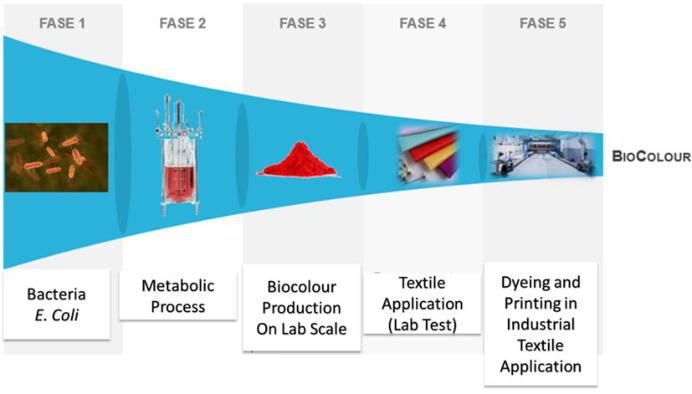
Figure 1: Research development phases (the author).
functional food or as a high-value product for applications in the food, pharmaceutical, cosmetics and textile industries. Of relevant value are the mevalonate and lycopene synthesis pathways obtained in Escherichia coli to produce lycopene from hydrophilic substrates such as glucose and glycerol. The further introduction of the fatty acid transport system into the E. coli (Fig. 1) strain led to improved synthesis of lycopene from hydrophobic sub- strates such as fatty acids. It can already be seen that using bioreactors in a batch fed with 1 L, the designed E. coli FA03-PM produced 2.7 g/L lyco- pene in approximately 40 hours in fermentation co-fed with glucose and hydrolyzed residual cooking oil. (WCO). This is the first study to report high production of lycopene by fermentation with fatty acids or residual oils. Fur- thermore, the lycopene content in the biomass reached 94 mg/g, which is among the highest levels reported to date using the metabolic pathway of the E. coli strain engineered for lycopene production. The results of the present investigation thus help to design and build a new platform of bioproducts, in this case, high value biopigments/biodyes for industrial production from common carbon and nitrogen sources (Liu N. et al 2020).
CONCLUSION
This research work aims to obtain and produce biocolorants from microor- ganisms and their respective application in textile substrates, depending on the current industrial technologies of industrial textile dyeing and printing.
To date, no continuous dyeing processes using biodyes produced from microorganisms have been reported. That said, the present project aims to investigate continuous and discontinuous dyeing processes in order to evaluate their effectiveness, by obtaining the Biodye from microorganisms, allowing to overcome the limitations of the processes that use direct dyeing in the bacterial culture medium, which have important limitations in the reproducibility of the process, as it depends on the direct application of the
Biodyes: A New Solution on Textile Dyeing Technology 143
microorganism to the substrate, which implies consequences in the intensity of color, fixation and brightness.
In short, the present investigation of biodyes/biopigments reveals an inno- vative and sustainable potential in the development of new textile Biodyes, in order to replace the current synthetic dyes, with high levels of toxi- city and associated carcinogenesis and consequently without any levels of biodegradability or environmental sustainability.
ACKNOWLEDGMENT
This work is supported by CIAUD Investigation Center of Architecture Urbanism and Design and by FCT Project n.° 68924 GRANT NUMBER: T590517690-00082967. Foundation For Science and Technology
REFERENCES
Adeel, S., Rafi, S., Salman, M., Fazal-Ur-Rehman, & Abrar, S. (2017). Potential Resurgence of Natural Dyes in Applied Fields. In Shahid-ul-Islam (Ed.), Plant- Based Natural Products: Derivatives and Applications. Beverly, MA: Scrivener Publishing. Ahmad, W. A., Ahmad, W. Y. W., Zakaria, Z. A., & Yusof, N. Z. (2012). Applica-
tion of Bacterial Pigments as Colorant: The Malaysian Perspective. Heidelberg: Springer. Alihosseini, F., Ju, K., Lango, J., Hammock, B. D., & Sun, G. (2008). Antibacterial colorants: characterization of prodiginines and their applications on textile materials. Biotechnology Progress, 24(3), 742-747. doi:10.1021/bp070481r Cabral, I. D., Souto, A. P., & Worbin, L. (2020). Dynamic Light Filters: Smart
Materials Applied to Textile Design. Cham: Springer. Carvalho, C., & Santos, G. (2015). Global Communities, Biotechnology and Sustainable Design – Natural / Bio Dyes in Textiles. Procedia Manufacturing. 3, 6557 – 6564. doi: 10.1016/j.promfg.2015.07.956 Carvalho, C., & Santos, G. (2016). Sustainability and Biotechnology – Natural or
Bio Dyes Resources in Textiles. Journal of Textile Science & Engineering, 6(1), 1000239. doi:10.4172/2165-8064.1000239 Gulzar, T., Farooq, T., Kiran, S., Ahmad, I., & Hameed, A. (2019). Green chemistry in the wet processing of textiles. In S. ul-Islam & B. S. Butola (Eds.), The Impact and Prospects of Green Chemistry for Textile Duxford: Woodhead Publishing. Gupta, V. K. (2019). Fundamentals of Natural Dyes and Its Applica- tion on Textile Substrates. In A. K. Samanta, N. S. Awwad, & H. M. Algarni (Eds.), Chemistry and Technology of Natural and Synthetic Dyes and Pigments. https://www.intechopen.com/online-first/fundamentals- of-natural-dyes-and-its-application-on-textile-substrates: IntechOpen. doi:10.5772/intechopen.89964 Indumathy, K., & Kannan, K. P. (2020). Eco-benign fungal colorants: sources and
applications in textiles. The Journal of The Textile Institute, 111(1), 148–154. doi:10.1080/00405000.2019.1634973
˙I¸smal, Ö. E., & Yıldırım, L. (2019). 3 - Metal mordants and biomordants. In I. Shahid ul & B. S. Butola (Eds.), The Impact and Prospects of Green Chemistry for Textile Technology (pp. 57–82): Woodhead Publishing. Jain, H., & Vasantha, M. (2016). Eco Friendly Dyeing with natural dye - Areca nut;
enhancing colour fastness with natural mordants (Myrobalan, Lodhra and Pome- granate) and increasing the Antibacterial Activity. Archives of Applied Science Research, 8(8). Kanelli, M., Mandic, M., Kalakona, M., Vasilakos, S., Kekos, D., Nikodinovic-Runic, J., & Topakas, E. (2018). Microbial Production of Vio- lacein and Process Optimization for Dyeing Polyamide Fabrics With Acquired Antimicrobial Properties. 9(1495). doi:10.3389/fmicb.2018.01495 Kumar, A., & Choudhury, R. (2018). Fabric Dyeing and Printing. In T. Cassidy & P. Goswami (Eds.), Textile and Clothing Design Technology (pp. 281–332). Boca Raton: CRC Press. Kumari, N, & Singh, R. K. (2019). Biofuel and co-products from algae solvent
extraction. Journal of Environmental Management. 247, 196-204. Laurent, D. (2019). Pigments, Microbial. Encyclopedia of Microbiology (Fourth Edition). 579-594. doi.org/10.1016/B978-0-12-809633-8. 13091–2. Liu, N., Liu, B. Wang, G., Soong, Y-H. V., Tao, Y., Liu, W., Xie, D. (2020).
Lycopene production from glucose, fatty acid and waste cooking oil by meta- bolically engineered Escherichia coli. Biochemical Engineering Journal.155. doi.org/10.1016/j.bej.2020.107488. Mahapatra, N. (2016). Textile dyes and dyeing. New Delhi: Woodhead Publishing India. Pankaj, V. P., & Kumar, R. (2016). Microbial pigment as a potential natural colorant
for contributing to mankind. In N. Gupta & K. Biswas (Eds.), Research Trends in Molecular Biology. Kerala: Research Signpost. Sánchez-Muñoz, S, Mariano-Silva, G., Marcela, O. L., Mura, F. B., Verma, M. L., da Silva, S., Chandel, A. K. (2020). Chapter 11 - Production of fungal and bacte- rial pigments and their applications. Biotechnological Production of Bioactive Compounds, 327–361. doi.org/10.1016/B978-0-444-64323-0. 00011–4. Singh, S., & Singh, D. R. (2018). Application of natural mordants on textile.
International Journal of Applied Home Science, 5(1), 252-260. Sójka-Ledakowicz, J., Olczyk, J., Polak, J., GrÄ...z, M., & Jarosz-Wilkołazka, A.
(2015). Dyeing of Textile Fabrics with Bio-dyes. FIBRES & TEXTILES in Eastern Europe, 23, 1(109), 120–126. Velmurugan, P., Kim, M.-J., Park, J.-S., Karthikeyan, K., Lakshmanaperumalsamy, P., Lee, K.-J., . . . Oh, B.-T. (2010). Dyeing of cotton yarn with five water soluble fungal pigments obtained from five fungi. Fibers and Polymers, 11(4), 598–605. doi:10.1007/s12221-010-0598-5 Venil, C. K., Zakaria, Z. A., & Ahmad, W. A. (2013). Bacterial pigments and their
applications. Process Biochemistry, 48(7), 1065–1079. doi: https://doi.org/10. 1016/j.procbio.2013.06.006.
LISTED IN THE AHFE DIGITAL BOOKSTORE CATALOGUE
Explore the complete digital volume
Human Factors for Apparel and Textile Engineering
Read this individual research paper free through the original publisher, or explore the full digital proceedings book.
ISBN 978-1-958651-08-7
Explore this ISBN in the AHFE Bookstore ↗Listed in the July 2026 bookstore catalogue; search by ISBN to confirm current availability · Digital book purchase optional