Ana De La Torre - García, Úrsula Martínez - Iranzo, Gema Prats Boluda, Miguel Ángel Serrano Rosa, José Luis Martínez De Juan, Cristina Herrera Ligero (2025). Exploring the Nexus Between Physical and Mental Health: Assessing Stress Through Heart Rate Variability. In: Human Interaction and Emerging Technologies (IHIET-AI 2025): Artificial Intelligence and Future Applications. AHFE Open Access, vol. 161, pp. 467–477. https://doi.org/10.54941/ahfe1005939
Physiological signals such as electrocardiography (ECG) have traditionally been associated with assessments of physical health. Mental health, meanwhile, often relies on subjective measures like self-report questionnaires and clinical interviews. Yet, the autonomic nervous system and the central nervous system are intrinsically linked to mental states like stress. While previous studies have associated certain parameters with stress, variability in findings and protocols, as well as limited exploration of some parameters, especially non-linear measures, highlight the need for further research.This paper examines how parameters extracted from ECG can be used to study acute stress levels. By analysing ECG data, we seek to identify patterns and correlations that reflect stress responses in individuals, potentially serving as reliable, objective markers.We conducted experiments exposing participants to controlled stress stimuli. Each session included a baseline measurement at rest, exposure to a stressor (the cold-pressor test), and a recovery phase. Continuous ECG recordingwere obtained, and a comprehensive range of Heart Rate Variability (HRV) parameters, encompassing time-domain, frequency-domain, geometrical and non-linear measures, was extracted to assess autonomic balance.Preliminary results demonstrate that certain HRV parameters change characteristically during acute stress exposure, indicating increased sympathetic activity (e.g., reduced mean and median NN intervals reflecting a shift toward higher heart rate). These physiological changes tended to normalise during recovery, underscoring the dynamic nature of the acute stress response. However, elevated parasympathetic-like measures (e.g., elevated sdnn, rmssd and pnni_50) during stress suggest that conscious or subconscious respiratory modulation can influence HRV indices. Moreover, some parameters revealed age-related differences that highlight how autonomic adaptability may diminish as individuals advance in age.These findings suggest that ECG-derived HRV parameters can serve as reliable, objective markers of acute stress. Understanding the physiological foundations of stress and the factors that modulate it, such as breathing patterns and age, may inform the development of non-invasive monitoring tools and interventions. This, in turn, could lead to more comprehensive evaluations of stress-related conditions like anxiety or depression, and support personalised strategies to enhance mental health and wellbeing.
In today’s fast-paced society, stress has become an inherent aspect of human life. Its chronic exposure has been linked to various health issues ranging from cardiovascular diseases to mental health disorders such as anxiety and depression (Kivimäki & Steptoe, 2018; Schneiderman et al., 2005). Understanding the mechanisms underlying stress responses is crucial for developing effective interventions and promoting overall health.
Traditionally, assessments of physical health have heavily relied on objective physiological measurements like electrocardiography (ECG) (Carrington et al., 2022), blood pressure monitoring (Pickering et al., 2005), and biochemical markers (D′Avó Luís & Seo, 2021). In contrast, mental health evaluations have predominantly depended on subjective measures, including self-report questionnaires (Julian, 2011; Munir & Takov, 2022; Plummer et al., 2016; Rose & Tadi, 2022), clinical interviews (Cackovic et al., 2024; Munir & Takov, 2022; Rose & Tadi, 2022), and observational assessments (American Psychiatric Association, 2013). This reliance on subjective data has contributed to a perceived dichotomy between physical and mental health, despite substantial evidence highlighting their interconnection.
The autonomic nervous system (ANS), comprising the sympathetic and parasympathetic branches, plays a pivotal role in regulating the body’s response to stress (Lamotte et al., 2021). Activation of the sympathetic nervous system (SNS) prepares the body for “flight or fight” responses, while the parasympathetic system (PNS) promotes “rest and digest”activities, aiding in recovery and relaxation (McCorry, 2007). Heart rate variability (HRV) derived from ECG recordings, is a non-invasive measure that reflects the balance between these two branches of the ANS. Higher HRV indicates a healthy autonomic balance and greater adaptability to stress, whereas lower values are associated with increased stress levels and reduced physiological resilience (Shaffer & Ginsberg, 2017; Thayer et al., 2012).
Recent research uses HRV as a biomarker for stress, suggesting that physiological signals provide insights into mental states. However, this field is still emerging and there is variability in findings across studies (Castaldo et al., 2015; Immanuel et al., 2023; Kim et al., 2018). This is evident in the selection of the parameters used to evaluate stress. While most studies focus on time-domain or frequency measures, non-linear metrics are rarely included in analyses. Moreover, there are discrepancies in the methodological approaches, not only in terms of protocol, but in the outcomes reported, making direct comparisons challenging. Therefore, further research is essential to establish standardised protocols and validate HRV as a reliable biomarker for acute stress.
To address these challenges, this study investigates a comprehensive set of HRV parameters, encompassing time-domain, frequency-domain, and non-linear measures, in participants exposed to controlled stress-inducing conditions. By including a broad range of HRV indices, we aim to provide a clearer picture of how physiological signals may serve as reliable indicators of acute stress and lay the groundwork for more inclusive and consistent approaches in future research.
Exploring the Nexus Between Physical and Mental Health 469
MATERIALS AND METHODS
Participants A total of 41 participants were recruited for this study, comprising both male and female adults aged between 24 and 65 years. Precautions were taken to minimise external factors that could influence HRV measurements, such as intense physical exercise, smoking, alcohol, caffeine or other nervous system stimulants consumption, and use of blood pressure medication, psychostimulants, anxiolytics, or antidepressants.
Participants were selected based on these criteria to ensure a homogeneous sample and to eliminate confounding variables that could affect the physiological responses to acute stress. All participants provided written informed consent prior to participation. Moreover, the study was approved by the Ethics Committee at Universitat Politècnica de València and all the procedures adhered to the guidelines of the Declaration of Helsinki.
Experimental Protocol All experiments were performed at the Instituto de Biomecánica (IBV) between 3:00 PM and 5:00 PM to minimise the influence of diurnal variations in cortisol levels. This hormone, crucial to the body’s stress response, follows a circadian rhythm. Elevated levels can influence HRV and other physiological parameters, potentially confounding the assessment of stress-induced changes (Giannakakis et al., 2022; Smeets et al., 2019).
Prior to the experimental session, participants completed the 14-item Perceived Stress Scale (PSS-14) to assess their baseline levels of perceived stress. This questionnaire is a widely used self-report instrument designed to measure the degree to which individuals appraise situations in their lives as stressful in the previous month (Cohen et al., 1983). Results are transformed into a percentage where higher values represent higher baseline stress levels. This information allowed us to control for individual differences in baseline stress that could influence reactivity to the stress-inducing stimulus during the experiment.
The experimental protocol consisted of three phases: Baseline: A 5-minute resting ECG measurement was taken while participants were upright sitting posture with their hips, knees and ankles all bent at 90 degrees. They were instructed to keep their eyes open, refrain from talking, and minimise movement to reduce physiological variability. This established the resting HRV profile for each participant.
Stressor: The cold-pressor test (CPT) was employed due to its validated effectiveness in inducing physical acute stress (Bullock et al., 2023; Schwabe & Schächinger, 2018; Smeets et al., 2019) without requiring verbal interaction, thus preventing interference with physiological measurements and maintaining conditions similar to the baseline measurement. This approach ensures that any observed differences in physiological responses are attributable to stress rather than other factors. Participants were instructed to immerse their hand into a container of water maintained at a temperature between 0
C and 6
C. They were not informed of the maximum duration of immersion. Thus, the instruction was to keep their hand submerged until they
were told to remove it. The maximum immersion time was set at 3 minutes, but participants could withdraw their hand at any point if they felt unable to continue.
Recovery: Immediately after the CPT, participants entered a 5-minute recovery phase, which mirrored the baseline conditions, while ECG data continued to be recorded to assess the return to baseline HRV parameters.
Data Acquisition ECG data were acquired using the BITalino (r)evolution system from PLUX Biosignals (PLUX Biosignals, n.d.), which provides high-fidelity biosignal recording. The ECG signals were sampled at 1000 Hz and stored securely for subsequent offline analysis.
Signal Processing ECG signals were segmented, pre-processed, and analysed using Python (version 3.10.9). The raw ECG signals were segmented into consecutive non- overlapping windows of 60 seconds. Within each window, R-peaks were detected with the Pan-Tompkins algorithm and RR intervals were calculated as the time differences between successive R-peaks. Finally, the series of RR intervals were filtered to remove artefacts and ectopic beats.
HRV Parameter Extraction Different HRV parameters were computed from the filtered RR intervals to capture the dynamics of the cardiovascular system in relation to stress (Giannakakis et al., 2022; Pham et al., 2021). Parameters are listed in Table 2 and described in (Pham et al., 2021): time-domain measures (rows 1-14) provide information about the amount of variability in measurements of the RR intervals; frequency-domain measures (rows 15-19) decompose the HRV signal into its frequency components, offering insights into the SNS and PNS influences on heart rate (HR); geometric and non-linear measures (rows 19-27) assess the unpredictability and complex fluctuations in HR. By considering this comprehensive set of parameters, we aimed to provide a clearer understanding of the multifaceted nature of the stress response.
Statistical Analysis All statistical analyses were performed using R statistical software (version 4.2.3) to evaluate the impact of stress on HRV parameters. First, to account for both fixed and random effects in the repeated- measures design, linear mixed-effects models were employed. For each HRV parameter, the following model was specified:
Equation reproduced from the original PDF.
HRVij is the HRV parameter for participant j at measurement i.
Phasei represents the fixed effect of the measurement phase (Baseline, Stressor, Recovery).
Exploring the Nexus Between Physical and Mental Health 471
Sexi represents the fixed effect for sex.
Agei represents the fixed effect for the age category (24–34, 35–44, 45–54, and 55–64 years).
PSSi represents the fixed effect for prior perceived stress level (low, moderate, high), based on results from PSS questionnaire.
uj is the random effect for participant j, accounting individual variability.
ϵij is the residual error term.
Type II Analysis of Variance (ANOVA) was performed on each linear mixed-effects model to determine the significance of fixed effects, particularly focusing on the effect of Phase. This allowed us to assess whether there were overall differences in HRV parameters across the experimental phases while controlling for sex, age, and perceived stress levels.
Additionally, estimated marginal means (EMMs) were computed for the different levels of Phase. Pairwise comparisons of these EMMs were performed using the Bonferroni adjustment to control for multiple comparisons. This statistical correction reduces the risk of Type I errors when conducting multiple tests by adjusting the significance threshold. Specifically, we compared:
Baseline vs. Stressor (B – S)
Baseline vs. Recovery (B – R)
Stressor vs. Recovery (S – R) For all statistical tests, a significance level of p-value < 0.05 was used to determine statistical significance.
RESULTS
In this section, we present the findings from the analysis of HRV parameters during the three experimental phases: Baseline, Stressor, and Recovery. We also examine how these parameters are influenced by sex, age, and prior perceived stress levels.
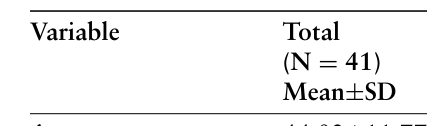
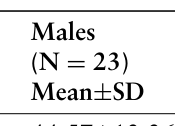
Participant Characteristics A total of 41 participants were included in the study, consisting of 23 males and 18 females, aged between 24 and 65 years. The demographic characteristics are summarised in Table 1.
Table 1. Demographic characteristics of participants.
Table available in the original PDF paper.
Equation reproduced from the original PDF.Equation reproduced from the original PDF.
HRV Phases Across Experimental Phases We analysed various HRV parameters to assess ANS activity during the Baseline, Stressor, and Recovery phases. Only age had a statistically significant effect on some of the HRV parameters, while there were not statistically significant differences influenced by sex and PSS score. This suggests that the ANS responses to the stressor are consistent across male and female participants and are not significantly modulated by individuals’ baseline perceived stress. Results of the statistical analysis are shown in Table 2.
Table 2. Pairwise comparisons of HRV parameters across experimental phases with significance of phase and age effects.
* Significant at p<0.05; ** Significant at p<0.01; ***Significant at p<0.001.
The CPT effectively induced physiological acute stress, as evidenced by statistically significant changes in multiple HRV parameters. The stress response was reflected in time-domain, frequency-domain, and non-linear measures, but the patterns observed were more complex than the classic expectation of pure SNS activation and diminished PNS activity. Instead, the results suggest a nuanced interplay of autonomic adjustments, likely influenced by participant-driven strategies to cope with discomfort.
Exploring the Nexus Between Physical and Mental Health 473
Time-Domain Parameters: During the Stressor phase, HR increased significantly compared to Baseline, as indicated by shorter mean and median NN intervals (mean_nni and median_nni). This reflects a shift toward SNS dominance under acute stress. Interestingly, parameters typically associated with PNS (e.g., sdnn, rmssd, pnni_50, pnni_20) also increased during the Stressor phase, showing values even greater than at Baseline. Rather than the expected reduction in vagal modulation, these indices suggest enhanced variability when participants were exposed to the cold stimulus.
This counterintuitive finding likely arises from behavioural coping strategies. Some participants reported to employ controlled or deep breathing techniques to tolerate the cold water. This technique may have been used, either consciously or subconsciously by many participants, thereby increasing vagal outflow and elevating some HRV measures, even under stress. Such participant-driven modulation can mask the straightforward pattern and instead produce an increase in PNS-related parameters (Chopra et al., 2024; Magnon et al., 2021), illustrating that HRV results can be influenced by both autonomic responses and voluntary behavioural adaptations.
In the Recovery phase, many time-domain measures returned to Baseline levels. Nevertheless, some measures, such as sdnn, pnni_50, and rmssd, remained closer to stress-induced values than fully returning to pre-stress baselines, indicating a residual effect of either the coping strategies or a gradual autonomic recalibration after the removal of the stressor. Other measures, such as mean_nni and median_nni, in contrast, not only returned to but even surpassed Baseline levels, suggesting a possible PNS rebound once the stressor was removed.
Frequency-Domain Parameters: Unlike the more pronounced changes in time-domain measures, frequency-domain parameters did not display a clear or consistent pattern of change linked directly to the stressor. The absence of strong, directional shifts in lf or hf power or in the lf/hf ratio suggests that these frequency-domain measures were less sensitive or more variable under these short measurement conditions, especially given the potential influence of altered breathing patterns. Some of them showed no significant differences between phases, while others trended in directions that were not straightforward to interpret as purely SNS or PNS responses.
This complexity may come from the short 60-second data windows and the participants’ spontaneous breathing strategies, obscuring the stress-related SNS dominance in these parameters.
Geometric and Non-Linear Measures: Geometric and non-linear HRV indices, including triangular_index, sd1, sd2, cvi and modified_csi, also exhibited statistically significant changes during the Stressor phase. The increases in sd1 and sd2 during stress suggest heightened complexity in HR dynamics. Normally, acute stress might reduce complexity as the body shifts to a more uniform, defensive state. In addition, triangular_index and cvi usually diminish during stress, indicating a lower HRV and SNS dominance. Here, however, the increase in these measures further supports the idea that participants’ respiratory modulation or other coping tactics introduced additional variability into the heart rate signal. Nevertheless, the modified_csi showed a statistically significant increase during the Stressor,
indicating heightened SNS activity and altered autonomic balance under stress. Thus, the presence of these patterns during the Stressor phase indicates that non-linear measures, like time-domain indices, can be influenced by both physiological stress responses and participant-driven strategies to maintain comfort under challenging conditions.
Influence of Age Age emerged as a significant factor for several HRV parameters. Older participants tended to have lower baseline HRV and showed less pronounced changes in response to a stressor. The reduced variability and complexity suggest a diminished autonomic adaptability, possibly reflecting age-related declines in vagal tone, baroreflex sensitivity, or overall cardiovascular flexibility. Consequently, older adults may exhibit a more blunted response to acute stress and a less robust recovery, potentially influencing their resilience and coping effectiveness.
CONCLUSION
This study contributes to the understanding of the physiological dimensions of acute stress, offering valuable insights into the role of HRV. By examining the responses of a broad range of metrics to a controlled stress-inducing stimulus, we have identified significant patterns that reflect individual stress responses and ANS activity. The autonomic response to acute stress is more complex than a simple shift toward SNS dominance and reduced PNS activity. Rather, our findings suggest a dynamic interplay of autonomic adjustments, potentially influenced by voluntary coping strategies such as controlled breathing, which can elevate traditionally PNS-related parameters even under stress.
This complexity is especially evident in the unexpected increases in certain time-domain, geometrical and non-linear indices during the Stressor phase, underscoring the importance of considering behavioural factors when interpreting HRV data in stress research. The lack of strong, directional patterns in frequency-domain measures further highlights how short data segments and spontaneous respiratory modulation can overshadow SNS activation.
Moreover, age emerged as an influential factor, with older participants showing lower baseline HRV and a more muted response to acute stress. This suggests that ageing may diminish autonomic adaptability and stress resilience, reinforcing the need to consider demographic variables in stress- related studies. Recognising these differences is crucial for developing personalised interventions and stress management strategies that are tailored to individual needs.
Our results emphasise the necessity of employing a broad range of HRV parameters and methodologically consistent approaches to capture the multifaceted nature of stress responses, paving the way for innovative applications in healthcare. This inclusive strategy can facilitate the establishment of standardised protocols and more reliable objective measures of acute stress, supporting the refinement of future interventions, and leading
Exploring the Nexus Between Physical and Mental Health 475
to more comprehensive evaluations of stress-related conditions such as anxiety or depression. This approach aligns with the growing emphasis on personalised medicine and the need for holistic health evaluations.
Moreover, incorporating a broad HRV analysis into routine evaluations could enhance the detection of stress-related autonomic dysfunctions and inform interventions aimed at improving resilience and coping skills. Understanding the role of adaptive behaviours in modulating stress responses opens doors for integrating biofeedback and relaxation techniques into therapeutic practices.
In conclusion, this study provides valuable insights into the complexity of stress responses and validates the utility of diverse HRV parameters as objective biomarkers. By acknowledging the intricate interplay of autonomic dynamics, individual differences, and behavioural adaptations, we move toward a more robust and nuanced approach to stress assessment, ultimately advancing our understanding of stress physiology and informing the development of more effective, personalised strategies.
ACKNOWLEDGMENT
Research activity under BERTHA project (GA101076360) funded by the European Union. Views and opinions expressed are however those of the author(s) only and do not necessarily reflect those of the European Union or the European Climate, Infrastructure and Environment Executive Agency (CINEA). Neither the European Union nor the granting authority can be held responsible for them.
REFERENCES
American Psychiatric Association. (2013). Diagnostic and statistical manual of mental disorders: DSM-5TM (5th ed.). Bullock, T., MacLean, M. H., Santander, T., Boone, A. P., Babenko, V., Dundon,
N. M., Stuber, A., Jimmons, L., Raymer, J., Okafor, G. N., Miller, M. B., Giesbrecht, B., & Grafton, S. T. (2023). Habituation of the stress response multiplex to repeated cold pressor exposure. Frontiers in Physiology, 13, 752900. https://doi.org/10.3389/fphys.2022.752900 Cackovic, C., Nazir, S., & Marwaha, R. (2024). Panic Disorder. In StatPearls.
StatPearls Publishing. https://www.ncbi.nlm.nih.gov/books/NBK430973/ Carrington, M., Providência, R., Chahal, C. A. A., Ricci, F., Epstein, A. E., Gallina, S., Fedorowski, A., Sutton, R., & Khanji, M. Y. (2022). Monitoring and diagnosis of intermittent arrhythmias: Evidence-based guidance and role of novel monitoring strategies. European Heart Journal Open, 2(6), oeac072. https://doi.org/10.1093/ ehjopen/oeac072 Castaldo, R., Melillo, P., Bracale, U., Caserta, M., Triassi, M., & Pecchia, L. (2015).
Acute mental stress assessment via short term HRV analysis in healthy adults: A systematic review with meta-analysis. Biomedical Signal Processing and Control, 18, 370–377. https://doi.org/10.1016/j.bspc.2015.02.012 Chopra, D., Smith, Robin L, Castle, Ryan, Doraiswamy, P Murali, & Izrailova- Danov Svetlana. (2024). A Prospective on Vagal Tone via Auricular Stimulation and Deep Breathing. Journal of Alternative, Complementary & Integrative Medicine, 10(1), 1–12. https://doi.org/10.24966/ACIM-7562/100447
Cohen, S., Kamarck, T., & Mermelstein, R. (1983). A Global Measure of Perceived Stress. Journal of Health and Social Behavior, 24(4), 385–396. https://doi.org/10. 2307/2136404 D′Avó Luís, A. B., & Seo, M. K. (2021). Has the development of cancer biomarkers
to guide treatment improved health outcomes? The European Journal of Health Economics, 22(5), 789–810. https://doi.org/10.1007/s10198-021-01290-4 Giannakakis, G., Grigoriadis, D., Giannakaki, K., Simantiraki, O., Roniotis, A., & Tsiknakis, M. (2022). Review on Psychological Stress Detection Using Biosignals. IEEE Transactions on Affective Computing, 13(1), 440–460. IEEE Transactions on Affective Computing. https://doi.org/10.1109/TAFFC.2019.2927337 Immanuel, S., Teferra, M. N., Baumert, M., & Bidargaddi, N. (2023). Heart
Rate Variability for Evaluating Psychological Stress Changes in Healthy Adults: A Scoping Review. Neuropsychobiology, 82(4), 187. https://doi.org/10.1159/ 000530376 Julian, L. J. (2011). Measures of Anxiety. Arthritis Care & Research, 63(0 11), 10.1002/acr.20561. https://doi.org/10.1002/acr.20561 Kim, H.-G., Cheon, E.-J., Bai, D.-S., Lee, Y. H., & Koo, B.-H. (2018). Stress and
Heart Rate Variability: A Meta-Analysis and Review of the Literature. Psychiatry Investigation, 15(3), 235. https://doi.org/10.30773/pi.2017.08.17 Kivimäki, M., & Steptoe, A. (2018). Effects of stress on the development and progression of cardiovascular disease. Nature Reviews Cardiology, 15(4), 215– 229. https://doi.org/10.1038/nrcardio.2017.189 Lamotte, G., Shouman, K., & Benarroch, E. E. (2021). Stress and central autonomic
network. Autonomic Neuroscience: Basic and Clinical, 235. https://doi.org/10. 1016/j.autneu.2021.102870 Magnon, V., Dutheil, F., & Vallet, G. T. (2021). Benefits from one session of deep and slow breathing on vagal tone and anxiety in young and older adults. Scientific Reports, 11(1), 19267. https://doi.org/10.1038/s41598-021-98736-9 McCorry, L. K. (2007). Physiology of the Autonomic Nervous System. American
Journal of Pharmaceutical Education, 71(4), 78. https://doi.org/10.5688/aj 710478 Munir, S., & Takov, V. (2022). Generalized Anxiety Disorder. In StatPearls. StatPearls Publishing. https://www.ncbi.nlm.nih.gov/books/NBK441870/ Pham, T., Lau, Z. J., Chen, S. H. A., & Makowski, D. (2021). Heart Rate Variability
in Psychology: A Review of HRV Indices and an Analysis Tutorial. Sensors, 21(12), Article 12. https://doi.org/10.3390/s21123998 Pickering, T. G., Hall, J. E., Appel, L. J., Falkner, B. E., Graves, J., Hill, M. N., Jones, D. W., Kurtz, T., Sheps, S. G., & Roccella, E. J. (2005). Recommendations for Blood Pressure Measurement in Humans and Experimental Animals. Circulation, 111(5), 697–716. https://doi.org/10.1161/01. CIR.0000154900.76284. F6 Plummer, F., Manea, L., Trepel, D., & McMillan, D. (2016). Screening for anxiety
disorders with the GAD-7 and GAD-2: A systematic review and diagnostic metaanalysis. General Hospital Psychiatry, 39, 24–31. https://doi.org/10.1016/ j.genhosppsych.2015.11.005 PLUX Biosignals. (n.d.). BITalino. PLUX Biosignals. Retrieved 3 December 2024, from https://www.pluxbiosignals.com/collections/bitalino. Rose, G. M., & Tadi, P. (2022). Social Anxiety Disorder. In StatPearls. StatPearls
Publishing. https://www.ncbi.nlm.nih.gov/books/NBK555890/ Schneiderman, N., Ironson, G., & Siegel, S. D. (2005). STRESS AND HEALTH: Psychological, Behavioral, and Biological Determinants. Annual Review of Clinical Psychology, 1, 607. https://doi.org/10.1146/annurev.clinpsy.1.102803. 144141
Exploring the Nexus Between Physical and Mental Health 477
Schwabe, L., & Schächinger, H. (2018). Ten years of research with the Socially Evaluated Cold Pressor Test: Data from the past and guidelines for the future. Psychoneuroendocrinology, 92, 155–161. https://doi.org/10.1016/j.psyn euen.2018.03.010 Shaffer, F., & Ginsberg, J. P. (2017). An Overview of Heart Rate Variability Metrics
and Norms. Frontiers in Public Health, 5, 258. https://doi.org/10.3389/fpubh. 2017.00258 Smeets, T., van Ruitenbeek, P., Hartogsveld, B., & Quaedflieg, C. W. E. M. (2019).
Stress-induced reliance on habitual behavior is moderated by cortisol reactivity. Brain and Cognition, 133, 60–71. https://doi.org/10.1016/j.bandc.2018.05.005 Thayer, J. F., Åhs, F., Fredrikson, M., Sollers, J. J., & Wager, T. D. (2012). A metaanalysis of heart rate variability and neuroimaging studies: Implications for heart rate variability as a marker of stress and health. Neuroscience & Biobehavioral Reviews, 36(2), 747–756. https://doi.org/10.1016/j.neubiorev.2011.11.009
LISTED IN THE AHFE DIGITAL BOOKSTORE CATALOGUE
Explore the complete digital volume
Human Interaction and Emerging Technologies (IHIET-AI 2025): Artificial Intelligence and Future Applications
Read this individual research paper free through the original publisher, or explore the full digital proceedings book.
ISBN 978-1-964867-37-3
Explore this ISBN in the AHFE Bookstore ↗Listed in the July 2026 bookstore catalogue; search by ISBN to confirm current availability · Digital book purchase optional