Sajjad Rostamzadeh Kalkhoran, Alireza Abouhossein, Atabak Allafasghari, Amin Allafasghari (2024). Importance of handgrip strength and endurance time for predicting COVID-19 mortality in older adult patients: K-Nearest Neighbors (k-NN) algorithm. In: Human Factors in Aging and Special Needs. AHFE Open Access, vol. 133, pp. 116–127. https://doi.org/10.54941/ahfe1004900
The study aimed to investigate the role of handgrip strength (HGS) and muscular endurance time (ET), as assessment measures for physical frailty and muscle function, in predicting the COVID-19 mortality of elderly patients admitted to the intensive care unit (ICU). This prospective observational cross-sectional study was conducted on 872 COVID-19 patients (415 females and 457 Males) aged 65-90 years admitted to ICU. Demographic data, underlying comorbidities, COVID-19-related symptoms, as well as laboratory and computed tomography (CT) findings were obtained from the patient's medical records. Using a JAMAR® hydraulic dynamometer, the average HGS (kg) after three measurements on the dominant side was recorded as the outcome for analysis. The threshold of the Low grip strength was defined as less than 26 kg and 14 kg for males and females, respectively. This is based on the consideration that low grip is two standard deviations below the gender-specific peak mean value. Muscular ET was also calculated after an additional trial, in which patients were asked to maintain the grip, and the value was measured in seconds when strength dropped to 50% of its maximum level. Subsequently, all thirty-one features were entered into the k-Nearest Neighbors (k-NN) algorithm to investigate the possible relationship between HGS and ET with COVID-19 mortality in elderly patients admitted to ICU. The results showed that chronic obstructive pulmonary disease (COPD), low grip strength, C-reactive protein (CRP), SaO2, and ET were found to be the most relevant components for possible COVID-19 mortality prediction, respectively. Further, the k-NN classifier achieved the highest classification accuracy of 95.21% to predict COVID-19 mortality, under the 10-fold data division protocol. Along with the well-known clinical risk factors, HGS and ET can be quick and low-cost prognostic tools in the mortality rate of elderly patients with COVID-19.
Importance of Handgrip Strength and Endurance Time 117
INTRODUCTION
The elderly vulnerability and higher risk of morbidity and mortality due to a pre-existing condition leading to infection from the COVID-19 pandemic have been well documented (Zhang et al., 2023; Mattiuzzi and Lippi, 2022). Two meta-analyses by Pijls et al. (2021) and Guan et al. (2020) showed that elderly patients aged ≥65 years have an approximately 65% higher risk of severe COVID-19 disease and 81% of the total mortality, respectively (Pijls et al., 2021; Guan et al., 2020). Current evidence in elderlies illus- trated that an imbalance between catabolic and anabolic processes leads to the activation of the ubiquitin-proteasome system, myocyte apoptosis, and the autophagy-lysosome pathway, and thus reduces muscle protein synthesis and increases muscle degradation in elderly patients (Files et al., 2016; Zhou et al., 2016). The frailty and reduced muscle force-exertion in elderlies with acute and inflammatory lung disease are considered strong reasons for caus- ing malfunction of respiratory muscles, long-term stay in the intensive care unit (ICU), and mortality (Ali and Kunugi, 2021; She et al., 2021).
Handgrip strength (HGS) test is recognized as a non-invasive biomarker in overall body health, physical function, functional recovery, mobility, and mortality (Saremi et al., 2018; Soysal et al., 2021; Soyuer et al., 2022; Malhotra et al., 2020). HGS has also been used to quantify and monitor the effectiveness of various treatment and rehabilitation interventions in patients with cardiovascular and neurological disorders, inflammatory lung diseases, and sarcopenia (Pérez-Mármol et al., 2017). It is well documented that low grip strength (LGS) is associated with age-related loss of muscle mass, dis- ease severity, longer hospital stays, the development of frailty, sarcopenia, and muscle dystrophy (Ali and Kunugi, 2021; Grigioni et al., 2023).
Several input features, strong multicollinearity among explanatory vari- ables affecting disease severity and mortality in COVID-19 patients (i.e. dependent variables), incorrect segmentation, and irrelevant features in stud- ies often made a predictive modeling task more challenging and led to less reli- able predictive models. Unlike traditional statistical methods aiming at infer- ring relationships between variables, Machine Learning (ML) concentrates on making predictions as accurately as possible by using general-purpose learning algorithms (Braga-Neto, 2020). K-Nearest Neighbors (k-NN), as the most popular supervised classifier in ML, can be used to predict which of the independent variables are important on the dependent variables. According to the literature, this type of classifier has effectively been used in previ- ous Computer-Aided Diagnosis (CAD) studies (Polat et al., 2017; Rahman et al., 2020; Mishra and Uyyala, 2021; Shankar et al., 2020; Rostamzadeh et al., 2023). The objectives of the current study were two-fold: (a) investigate the role of handgrip strength and endurance time (ET), as assessment mea- sures for physical frailty and muscle function, in predicting the COVID-19 mortality of elderly patients hospitalized in ICU, and (b) performance assess- ment of the K-Nearest Neighbors (k-NN) algorithm in predicting COVID-19 mortality of elderly patients.
MATERIAL AND METHODS Patient Selection
We used electronic medical records to identify all consecutive elderly patients aged 65–90 years who (i) had a laboratory-confirmed SARS-CoV-2 infection (as determined by real-time reverse transcriptase-PCR assays of nasal and pharyngeal swabs), (ii) underwent concomitant systematic variant screen- ing, (iii) none had any fracture/deformity/surgery in upper extremities during the past year, (iv) none had neuromuscular or rheumatic diseases affecting the handgrip strength measurements, and (v) were admitted to ICU between April and September 2021. Also, based on the Asian working group for sar- copenia criteria, patients with appendicular skeletal muscle mass index score <7.0 kg/m2 were diagnosed as before-COVID-19 sarcopenia and excluded from the study (Vellas et al., 2018). According to World Health Organiza- tion (WHO) interim guidance, patients admitted to the ICU had clinical signs of pneumonia (fever, cough, dyspnea, and tachypnea) together with a respi- ratory rate > 30/min, oxygen saturation (SpO2) ≤80%, and extensive lung involvement in CT (CT score > 11) on room air (World Health Organiza- tion, 2020). Eventually, 872 COVID-19 elderly patients (415 females and 457 males) aged 65–90 years admitted to ICU were selected. The data were col- lected and analyzed once all included patients either died or were discharged alive from the ICU.
The study was approved by the Research and Ethics Committees of Shahid Beheshti University of Medical Sciences (IR.SBMU.PHNS.REC.1402.087). Written informed consent was obtained from all participating patients or their immediate family members to obtain permission to use the patient’s health records.
Demographic and Clinical Characteristics Demographic data, smoking status, comorbidities (e.g. hypertension, over- weight, diabetes mellitus (DM), hypothyroidism, cardiovascular disease (CVD), bronchial asthma, chronic obstructive pulmonary disease (COPD), and cancer), COVID-19 related symptoms (cough, fever (>37.8 C
), myalgia, dyspnea, anosmia/ageusia, diarrhea, and asymptomatic), and clinical mark- ers values (C-reactive protein (CRP), ferritin, D-dimer, SaO2, white blood cell (WBC), thrombocyte, lymphocyte, neutrophil, and hemoglobin) were obtained from the medical records of the patients. Participants’ stature (cm) and body mass (kg) were measured using the Holtain Harpenden stadiome- ter (Holtain, Crosswell, UK) and a digital balance (Toledo, Model 2096PP/2, Inc., Brazil), respectively, with light clothing but no shoes. Body mass index (BMI) was calculated as kg/m2 and classified into three groups: underweight (BMI<18.5), healthy weight (18.5 to 24.9), overweight (25.0 to 29.9), and obese (BMI ≥30) (Organization, 2000).
Computed Tomography (CT) The patients’ CT scans were obtained in a supine position at the end of inspi- ration (Valenza et al., 2005), using a GE Brightspeed 16-Slice CT Scanner
Importance of Handgrip Strength and Endurance Time 119
(GE Healthcare, Chicago, Illinois, United States). The CT findings were eval- uated by a radiologist with 15 years of experience in terms of the presence and patterns of infiltrations as ground-glass opacities (GGO), GGO with con- solidation, consolidation, and other (linear opacities, traction bronchiectasis, cysts, and reticular opacities) for each patient’s initial chest CT scan and last follow-ups if available (Hansell et al., 2008). The anatomic distribution of the infiltrations was given to the predominant imaging findings in each zone on CT (3 lobes in the right upper, middle, and lower, and 2 lobes in the left upper and lower). Then, we applied a semi-quantitative CT severity scoring system (0 = no anatomic involvement, 1(<5%), 2(5–25%), 3(26–50%), 4(51–75%), and 5(>75%)) for quantifying radiological findings in each lobe (Pan et al., 2020). The total CT score was calculated as the sum of each lobe’s scores between 0 to 25.
Handgrip Strength and Muscular Endurance Time The maximal isometric grip strength was measured (in kg) by the JAMAR® hydraulic dynamometer (Saehan Corporation, Masan-Korea). Before starting the test, hand dominance was determined by asking participants the follow- ing question: “Which hand do you write with?”. Measurements were made in a sitting posture, with feet on the floor, arms hanging relaxed at the side and neutrally rotated, elbows flexed 90 degrees, and forearm and wrist in a neu- tral position (0–15 degrees of extension and 0–15 degrees of ulnar deviation) (Richards and Palmiter-Thomas, 1996). The participants performed one rep- etition in the dominant hand to familiarize themselves with the dynamometer and the test process. The participants were asked to exert their maximal vol- untary contraction (MVC) on the dynamometer for 3 seconds. Three MVCs were recorded for each handgrip strength measurement (with a 1-minute rest time between each exertion) and their average value was considered for subsequent analysis. Low grip strength (LGS) was defined as two standard deviations below the gender-specific peak mean value of the healthy adults i.e. <26 kg in males and <14 kg in females (Dodds et al., 2014). To eval- uate muscle endurance time (ET), handgrip exhaustion time was calculated after an additional trial, in which patients were asked to maintain the grip, and the value was measured in seconds when strength dropped to 50% of its maximum level (Beaudart et al., 2019).
Descriptive Analysis Statistical analysis was performed by SPSS 23 (IBM Corporation, New York, NY, United States). The normality test was carried out using the Kolmogorov- Smirnov test for all data sets. Statistical outliers were checked using Grubb’s test which is based on the difference between the mean of the sample and the most extreme data considering the standard deviation (Grubbs, 1969). Rel- ative and absolute reliability were assessed for the grip strength and muscle endurance tests using the Intra-class Correlation Coefficient (ICC) and stan- dard error of the measurement (SEM), respectively. Basic descriptive statistics such as means, standard deviation (SD), minimum-maximum, and number (percentage) were calculated for clinical and demographic characteristics as
well as chest CT scores. An independent sample t-test was carried out to deter- mine the differences in clinical characteristics between males and females. One-way ANOVA test (with Tukey post-hoc test) and Chi-square or Fisher’s exact tests were used to compare the numerical and categorical variables, respectively. The statistical significance was set at p<0.05.
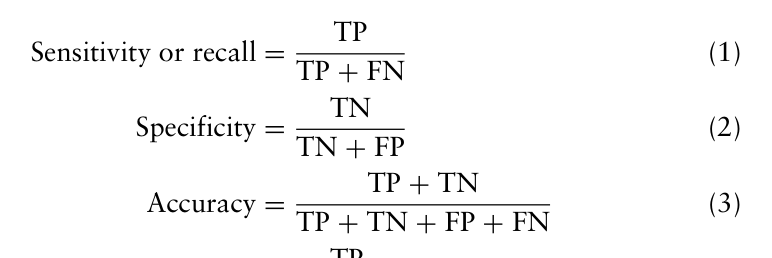
In this study, the K-Nearest Neighbors (k-NN) algorithm as one of the most popular supervised classifiers was used to predict which of the demographic factors, clinical symptoms, and biomechanical biomarkers (i.e. independent variables) are important on the COVID-19 mortality (i.e. dependent vari- able). In this study, we used the filter method to determine the rank of features and select the relevant features by Pearson’s correlation coefficient (P) in decreasing order. In the present study, experiments were conducted with the desired value of k = 10, and the average results were used to evaluate the model (Karal, 2020; Marcot and Hanea, 2021). The overall machine-learning analysis was programmed using Scikit-Learn 0.20.3, a popular Python ML library (Pedregosa et al., 2011). Sensitivity or recall, specificity, accuracy, precision, F1 score, and area under the curve (AUC) are used to evaluate the classifier’s performance. The mathematical formulas to calculate the above performance metrics are shown in equations 1 to 5 (Sokolova et al., 2006; Kumar et al., 2020).
Clinical and Demographic Characteristics The sample consisted of 872 COVID-19 patients aged between 65 and 90 years old; 457 (52.4%) males and 415 (47.6%) females. The mean age for males and females was 81.1±4.7 and 79.3±5.4 years, respectively. In total, 468 patients died (310 males and 158 females), resulting in a high mortality rate of 53.6% (66.2% and 33.8% for males and females, respec- tively). Table 1 shows the clinical findings and demographic characteristics of COVID-19 patients according to survived/deceased.
Mean handgrip strength values were lower and the frequency of LGS was higher in the deceased patients vs. the survived group (p<0.001). Participants
Importance of Handgrip Strength and Endurance Time 121
showed high to very high test-retest reliability for the Jamar dynamometer (0.88≤ICC ≤0.91; P ≤0.001; n = 50 subjects out of the total sample). Also, mean endurance time values were lower in the deceased patients vs. the survived group for both genders (p<0.001).
Table 1. Clinical biomarkers, medical history, and demographic characteristics of the elderly patients hospitalized in ICU.
The results of various feature selection technique by Pearson’s correlation coefficient (P) is presented in Table 2. The results of the feature selection tech- nique revealed that “COPD”, “LGS”, “SaO2”, “ET”, “CRP”, and “Age”can also be significant features for COVID-19 mortality in elderly patients admit- ted to ICU. We used a decreasing order approach to arrange features and select the best subset of features in the filter-based method. Thus, tests were implemented at first for all possible compounds including top 8, top 7, top 6, top 5, top 4, top 3, and top 2. This approach leads to assigning different ranks to different features by feature selection techniques of Pearson’s corre- lation coefficient (P). The findings illustrated that when Pearson’s correlation coefficient (P) is used as the principal criterion, “COPD” is considered the most reliable factor. Similarly, “LGS” is assigned the second rank related to COVID-19 mortality, if P is used as the principal criteria.
To study and confirm the impact of these features on COVID-19 mortal- ity, k-nearest neighbors (K-NN) were evaluated as discussed in Table 3. It is observed that when “COPD”, “LGS”, “SaO2”, “CRP”, and “ET” were used as features, the k-NN classifier achieved the highest classification accuracy of 95.21% under 10-fold cross-validation. This shows that chronic obstructive pulmonary disease (COPD), low grip strength (LGS), SaO2, C-reactive pro- tein (CRP), and endurance time (ET) together can have a significant impact on the prediction of COVID-19 mortality in elderly patients admitted to ICU using k-NN algorithm.
Table 2. Results of various feature selection techniques.
Table available in the original PDF paper.
Feature selection technique Selected features in decreasing order of their rank (filter method) P COVID-19 Mortality: COPD, LGS, SaO2, CRP, ET, Age, Gender, Hypertension, DM, Bronchial asthma, D-dimer, WBC, Thrombocyte, Smoking, Cough, Fever, Dyspnea, Anosmia/ageusia, Asymptomatic, Ferritin, Neutrophil, Haemoglobin, Hospital stay in ICU.
Table 3. Impact of COPD, LGS, SaO2, CRP and ET on COVID-19 mortality prediction using k-NN algorithm under 10-fold cross-validation.
Table available in the original PDF paper.
F1-score AUC
Classification technique
Accuracy (%)
Sensitivity (%)
Specificity (%)
Precision (%)
k-NN 95.21 96.47 95.31 97.32 0.97 0.95 Notes: COPD: chronic obstructive pulmonary disease, LGS: low grip strength, SaO2: oxygen saturation, CRP: C-reactive protein, ET: endurance time, k-NN: k-nearest neighbors, AUC: area under the curve.
Importance of Handgrip Strength and Endurance Time 123
DISCUSSIONS In this prospective observational cohort study, we aimed to evaluate the HGS and muscular ET among elderly patients with COVID-19 infection admitted to ICU and investigate the possible relationship between HGS and muscu- lar ET with COVID-19 mortality among elderly patients. To the best of our knowledge, this is the first study to demonstrate the prognostic relationship between muscle strength and muscular endurance time in elderly patients who died due to the COVID-19 infection.
In the present study, a database of clinical and biomechanical biomark- ers and underlying comorbidities were captured and utilized for COVID-19 mortality prediction. The expected results of the present study reflected that COVID-19 disproportionately endangers elderly patients, especially those with at least one underlying comorbidity (Flaherty et al., 2020). The most common COVID-19-related symptoms in the present study were fever (67.3%), dyspnea (54.8%), and cough (50.2%) consistent with the pertinent studies (Kabeerdoss et al., 2021; Marin et al., 2021). As seen in our patients, studies indicate that older patients aged ≥65 years with underlying comor- bidities such as hypertension, DM, obesity, bronchial asthma, COPD, and CVD mainly experience more serious consequences and even higher mortal- ity in the ICUs (Onder et al., 2020; Woolf et al., 2021). The present study findings showed that hypertension (60.5%), cardiovascular disease (39.5%), bronchial asthma (23.3%), and diabetes mellitus (20.5%) were the most common comorbidities among the deceased elderly patients, respectively.
Based on the results of feature selection techniques, 23 out of 31 clini- cal and biomarker features were used for classification. The results showed that the top five features i.e. chronic obstructive pulmonary disease (COPD), low grip strength (LGS), SaO2, C-reactive protein (CRP), and endurance time (ET) selected by P achieved the highest classification accuracy among all the possible combinations and were used for classification. Meanwhile, our findings showed that the classification accuracy drops when only the top 4 features were considered. Considering these five features for classification made the accuracy of the k-NN classifier reach 95.21% under the 10-fold cross-validation protocol, which is even higher than the case where 6 fea- tures are considered. To be more precise, insignificant and irrelevant features may mislead the classifier model and eventually lead to a decrease in its over- all performance. In line with the present study, Onder et al. (2020) and Woolf et al. (2021) stated that underlying comorbidities such as bronchial asthma and COPD can be considered the most important predictors of COVID- 19 mortality in elderly patients admitted to the ICUs (Onder et al., 2020; Woolf et al., 2021) Our findings have shown that other than well-known and common clinical risk factors, LGS and muscular ET should be consid- ered as independent predictors of COVID-19 mortality in elderly patients. The present study revealed that deceased patients (in both genders) had lower grip strength and muscular ET as well as higher frequency of LGS as com- pared to survived ones. In line with the present study, Kara et al. (2021) study on COVID-19 patients aged 21–74 years showed that the LGS can be consid- ered as a significant component in severity prediction of COVID-19 infection
(Kara et al., 2021). Sevilla et al. (2022) and Vincenzo Galluzzo (2022) con- cluded that low HGS and muscular ET independently increased the length of ICU stay and disease severity in elderly patients with COVID-19 (Galluzzo et al., 2022; Sevilla and Sánchez-Pinto, 2022).
The current investigation has a few limitations to note. First, the present study includes the lack of information on the past medical history of patients before acute COVID-19 infection and admission to the ICU. Second, several variables such as dietary habits, lifestyle, physical activity, anthropometric data, maturity stages, the effects of the COVID-19 variants, and SARS-CoV- 2 vaccination were not considered, which can be regarded as a reasonable limitation due to the potential for misinterpretation.
CONCLUSION
In this study, we managed to use clinical and biomechanical biomarkers as well as underlying comorbidities for COVID-19 mortality prediction in elderly patients admitted to ICU using K-Nearest Neighbors (k-NN), as a most popular supervised classifier in ML. Results of statistical significance analysis and feature selection techniques indicate that five clinical and biome- chanical features including chronic obstructive pulmonary disease (COPD), low grip strength (LGS), SaO2, C-reactive protein (CRP), and endurance time (ET) have the potential to be used as reliable components for the prediction of COVID-19 mortality in elderly patients. Using machine learning (ML) algo- rithms with the highest accuracy in determining the contributory clinical and biomechanical features for COVID-19 mortality prediction will enhance the effectiveness of clinical practices and interventions during the pandemic and will reduce the wastage of financial and human resources.
ACKNOWLEDGMENT
This work was supported by the Shahid Beheshti University of Medical Sci- ences, Tehran, Iran (under Grant No. 43005817). The authors would like to express special thanks to all the physician as well as patients and their families who chose to be involved in this research.
REFERENCES
Ali, Amira Mohammed, and Hiroshi Kunugi. 2021. “Physical Frailty/Sarcopenia as a Key Predisposing Factor to Coronavirus Disease 2019 (COVID-19) and Its Complications in Older Adults.” BioMed 1 (1): 11–40. Beaudart, Charlotte, Yves Rolland, Alfonso J Cruz-Jentoft, Jürgen M Bauer, Cornel
Sieber, Cyrus Cooper, Nasser Al-Daghri, Islene Araujo de Carvalho, Ivan Baut- mans, and Roberto Bernabei. 2019. “Assessment of Muscle Function and Physical Performance in Daily Clinical Practice: A Position Paper Endorsed by the Euro- pean Society for Clinical and Economic Aspects of Osteoporosis, Osteoarthritis and Musculoskeletal Diseases (ESCEO).” Calcified Tissue International 105: 1–14. Braga-Neto, Ulisses. 2020. Fundamentals of Pattern Recognition and Machine Learning. Springer.
Importance of Handgrip Strength and Endurance Time 125
Dodds, Richard M, Holly E Syddall, Rachel Cooper, Michaela Benzeval, Ian J Deary, Elaine M Dennison, Geoff Der, Catharine R Gale, Hazel M Inskip, and Carol Jagger. 2014. “Grip Strength across the Life Course: Normative Data from Twelve British Studies.” PloS One 9 (12): e113637. Files, D Clark, Amro Ilaiwy, Traci L Parry, Kevin W Gibbs, Chun Liu, James R
Bain, Osvaldo Delbono, Michael J Muehlbauer, and Monte S Willis. 2016. “Lung Injury-Induced Skeletal Muscle Wasting in Aged Mice Is Linked to Alterations in Long Chain Fatty Acid Metabolism.” Metabolomics 12: 1–16. Flaherty, Gerard Thomas, Paul Hession, Chee Hwui Liew, Bryan Chang Wei Lim, Tan Kok Leong, Victor Lim, and Lokman Hakim Sulaiman. 2020. “COVID-19 in Adult Patients with Pre-Existing Chronic Cardiac, Respiratory and Metabolic Disease: A Critical Literature Review with Clinical Recommendations.” Tropical Diseases, Travel Medicine and Vaccines 6: 1–13. Gallo Marin, Benjamin, Ghazal Aghagoli, Katya Lavine, Lanbo Yang, Emily J Siff,
Silvia S Chiang, Thais P Salazar-Mather, Luba Dumenco, Michael C Savaria, and Su N Aung. 2021. “Predictors of COVID-19 Severity: A Literature Review.” Reviews in Medical Virology 31 (1): 1–10. Galluzzo, Vincenzo, Maria Beatrice Zazzara, Francesca Ciciarello, Giulia Savera, Cristina Pais, Riccardo Calvani, Anna Picca, Emanuele Marzetti, Francesco Landi, and Matteo Tosato. 2022. “Fatigue in Covid-19 Survivors: The Potential Impact of a Nutritional Supplement on Muscle Strength and Function.” Clinical Nutrition ESPEN 51: 215–21. Grigioni, S, V-E Lvovschi, F Tamion, L-M Joly, M Coëffier, H Van Elslande, Marie
Galmiche, M Gâté, U Traore-Ouattara, and B Marais. 2023. “Low Thoracic Skeletal Muscle Index Is Associated with Negative Outcomes in 244 Patients with Respiratory COVID-19.” Clinical Nutrition 42 (2): 102–7. Grubbs, Frank E. 1969. “Procedures for Detecting Outlying Observations in Samples.” Technometrics 11 (1): 1–21. Guan, Wei-jie, Zheng-yi Ni, Yu Hu, Wen-hua Liang, Chun-quan Ou, Jian-xing
He, Lei Liu, Hong Shan, Chun-liang Lei, and David S C Hui. 2020. “Clinical Characteristics of Coronavirus Disease 2019 in China.” New England Journal of Medicine 382 (18): 1708–20. Hansell, David M, Alexander A Bankier, Heber MacMahon, Theresa C McLoud, Nestor L Muller, and Jacques Remy. 2008. “Fleischner Society: Glossary of Terms for Thoracic Imaging.” Radiology 246 (3): 697–722. Kabeerdoss, Jayakanthan, Rakesh Kumar Pilania, Reena Karkhele, T Sathish Kumar,
Debashish Danda, and Surjit Singh. 2021. “Severe COVID-19, Multisystem Inflammatory Syndrome in Children, and Kawasaki Disease: Immunological Mechanisms, Clinical Manifestations and Management.” Rheumatology Interna- tional 41 (1): 19–32. Kara, Özgür, Murat Kara, Mustafa Emre Akın, and Levent Özçakar. 2021. “Grip Strength as a Predictor of Disease Severity in Hospitalized COVID-19 Patients.” Heart & Lung 50 (6): 743–47. Karal, Ömer. 2020. “Performance Comparison of Different Kernel Functions in
SVM for Different k Value in K-Fold Cross-Validation.” In 2020 Innovations in Intelligent Systems and Applications Conference (ASYU), 1–5. IEEE. Kumar, Arvind, Nishant Sinha, and Arpit Bhardwaj. 2020. “A Novel Fitness Function in Genetic Programming for Medical Data Classification.” Journal of Biomedical Informatics 112: 103623.
Malhotra, Rahul, Md Ismail Tareque, Ngiap Chuan Tan, and Stefan Ma. 2020.
“Association of Baseline Hand Grip Strength and Annual Change in Hand Grip Strength with Mortality among Older People.” Archives of Gerontology and Geriatrics 86: 103961. Marcot, Bruce G, and Anca M Hanea. 2021. “What Is an Optimal Value of k in K-Fold Cross-Validation in Discrete Bayesian Network Analysis?” Computational Statistics 36 (3): 2009–31. Mattiuzzi, Camilla, and Giuseppe Lippi. 2022. “Efficacy of COVID-19 Vaccine
Booster Doses in Older People.” European Geriatric Medicine 13 (1): 275–78. Mishra, Abinash, and Srinivasulu Reddy Uyyala. 2021. “A Novel Probabilistic- Based Deep Neural Network: Toward the Selection of Wart Treatment.” Cognitive Computation, 1–17. Onder, Graziano, Giovanni Rezza, and Silvio Brusaferro. 2020. “Case-Fatality Rate
and Characteristics of Patients Dying in Relation to COVID-19 in Italy.” Jama 323 (18): 1775–76. Organization, World Health. 2000. “The Asia-Pacific Perspective: Redefining Obesity and Its Treatment.” Pan, Feng, Tianhe Ye, Peng Sun, Shan Gui, Bo Liang, Lingli Li, Dandan Zheng,
Jiazheng Wang, Richard L Hesketh, and Lian Yang. 2020. “Time Course of Lung Changes at Chest CT during Recovery from Coronavirus Disease 2019 (COVID-19).” Radiology 295 (3): 715–21. Pedregosa, Fabian, Gaël Varoquaux, Alexandre Gramfort, Vincent Michel, Bertrand Thirion, Olivier Grisel, Mathieu Blondel, Peter Prettenhofer, Ron Weiss, and Vin- cent Dubourg. 2011. “Scikit-Learn: Machine Learning in Python.” The Journal of Machine Learning Research 12: 2825–30. Pérez-Mármol, Jose Manuel, Ma Carmen García-Ríos, María Azucena Ortega-
Valdivieso, Enrique Elías Cano-Deltell, María Isabel Peralta-Ramírez, Kelly Ick- mans, and María Encarnación Aguilar-Ferrándiz. 2017. “Effectiveness of a Fine Motor Skills Rehabilitation Program on Upper Limb Disability, Manual Dexter- ity, Pinch Strength, Range of Fingers Motion, Performance in Activities of Daily Living, Functional Independency, and General Self-Efficacy in Hand Osteoart.” Journal of Hand Therapy 30 (3): 262–73. Pijls, Bart G, Shahab Jolani, Anique Atherley, Raissa T Derckx, Janna I R Dijkstra, Gregor H L Franssen, Stevie Hendriks, Anke Richters, Annemarie Venemans- Jellema, and Saurabh Zalpuri. 2021. “Demographic Risk Factors for COVID-19 Infection, Severity, ICU Admission and Death: A Meta-Analysis of 59 Studies.” BMJ Open 11 (1): e044640. Polat, Huseyin, Homay Danaei Mehr, and Aydin Cetin. 2017. “Diagnosis of Chronic
Kidney Disease Based on Support Vector Machine by Feature Selection Methods.” Journal of Medical Systems 41 (4): 1–11. Rahman, Md, Yuan Zhou, Shouyi Wang, and Jamie Rogers. 2020. “Wart Treatment Decision Support Using Support Vector Machine.” Richards, Lorie, and Pamela Palmiter-Thomas. 1996. “Grip Strength Measurement:
A Critical Review of Tools, Methods, and Clinical Utility.” Critical ReviewsTM in Physical and Rehabilitation Medicine 8 (1–2). Rostamzadeh, Sajjad, Alireza Abouhossein, Mahnaz Saremi, Fereshteh Taheri, Mobin Ebrahimian, and Shahram Vosoughi. 2023. “A Comparative Investigation of Machine Learning Algorithms for Predicting Safety Signs Comprehension Based on Socio-Demographic Factors and Cognitive Sign Features.” Scientific Reports 13 (1): 10843.
Importance of Handgrip Strength and Endurance Time 127
Saremi, Mahnaz, and Sajjad Rostamzadeh. 2018. “Hand Dimensions and Grip Strength: A Comparison of Manual and Non-Manual Workers.” In Congress of the International Ergonomics Association, 520–29. Springer. Saremi, Mahnaz, Sajjad Rostamzadeh, and Mahmoud Nasr Esfahani. 2021. “Hand
Functionality in Dentists: The Effect of Anthropometric Dimensions and Spe- cialty.” International Journal of Occupational Safety and Ergonomics, no. just- accepted: 1–26. Sevilla, Guillermo García Pérez de, and Beatriz Sánchez-Pinto. 2022. “Associations between Muscle Strength, Dyspnea and Quality of Life in Post-COVID-19 Patients.” Revista Da Associação Médica Brasileira 68: 1753–58. Shankar, K, S K Lakshmanaprabu, Deepak Gupta, Andino Maseleno, and Vic-
tor Hugo C De Albuquerque. 2020. “Optimal Feature-Based Multi-Kernel SVM Approach for Thyroid Disease Classification.” The Journal of Supercomputing 76 (2): 1128–43. She, Quan, Bo Chen, Wen Liu, Min Li, Weihong Zhao, and Jianqing Wu.
2021. “Frailty Pathogenesis, Assessment, and Management in Older Adults with COVID-19.” Frontiers in Medicine 8: 694367. Sokolova, Marina, Nathalie Japkowicz, and Stan Szpakowicz. 2006. “Beyond Accuracy, F-Score and ROC: A Family of Discriminant Measures for Performance Evaluation.” In Australasian Joint Conference on Artificial Intelligence, 1015–21. Springer. Soysal, Pinar, Christopher Hurst, Jacopo Demurtas, Joseph Firth, Reuben Howden,
Lin Yang, Mark A Tully, Ai Koyanagi, Petre Cristian Ilie, and Guillermo F López- Sánchez. 2021. “Handgrip Strength and Health Outcomes: Umbrella Review of Systematic Reviews with Meta-Analyses of Observational Studies.” Journal of Sport and Health Science 10 (3): 290–95. Soyuer, Ferhan, Feyzan Cankurtaran, Özlem Menev¸se, and Gözde Ertürk Zararsız.
2022. “Examination of the Correlation between Hand Grip Strength and Muscle Mass, Balance, Mobility, and Daily Life Activities in Elderly Individuals Living in Nursing Homes.” Work, no. Preprint: 1–8. Valenza, Franco, Massimiliano Guglielmi, Micol Maffioletti, Cecilia Tedesco, Patrizia Maccagni, Tommaso Fossali, Gabriele Aletti, Giuliana Anna Porro, Manuela Irace, and Eleonora Carlesso. 2005. “Prone Position Delays the Progres- sion of Ventilator-Induced Lung Injury in Rats: Does Lung Strain Distribution Play a Role?” Critical Care Medicine 33 (2): 361–67. Vellas, Bruno, R A Fielding, C Bens, R Bernabei, P M Cawthon, Tommy Cederholm,
A J Cruz-Jentoft, S Del Signore, S Donahue, and J Morley. 2018. “Implications of ICD-10 for Sarcopenia Clinical Practice and Clinical Trials: Report by the Inter- national Conference on Frailty and Sarcopenia Research Task Force.” The Journal of Frailty & Aging 7: 2–9. Woolf, Steven H, Derek A Chapman, and Jong Hyung Lee. 2021. “COVID-19 as the Leading Cause of Death in the United States.” Jama 325 (2): 123–24. World Health Organization, (2020. 2020. “Clinical Management of COVID-19:
Interim Guidance, 27 May 2020.” World Health Organization. Zhang, Jin-jin, Xiang Dong, Guang-hui Liu, and Ya-dong Gao. 2023. “Risk and Protective Factors for COVID-19 Morbidity, Severity, and Mortality.” Clinical Reviews in Allergy & Immunology 64 (1): 90–107. Zhou, Jin, Bin Liu, Chun Liang, Yangxin Li, and Yao-Hua Song. 2016. “Cytokine
Signaling in Skeletal Muscle Wasting.” Trends in Endocrinology & Metabolism 27 (5): 335–47.
LISTED IN THE AHFE DIGITAL BOOKSTORE CATALOGUE
Explore the complete digital volume
Human Factors in Aging and Special Needs
Read this individual research paper free through the original publisher, or explore the full digital proceedings book.
ISBN 978-1-964867-09-0
Explore this ISBN in the AHFE Bookstore ↗Listed in the July 2026 bookstore catalogue; search by ISBN to confirm current availability · Digital book purchase optional