Keisuke Osawa, Yifan Hua, Kaiwen Duan, Kei Nakagawa, Eiichiro Tanaka (2023). Development of a Compact Walking Assistive Robot for Exercise Promotion and Gait Training. In: Emerging Technologies and Future of Work. AHFE Open Access, vol. 117, pp. 98–106. https://doi.org/10.54941/ahfe1004409
With the growing population of aged citizens, the number of people coping with walking disorders is increasing. To address this problem, various types of walking assistive robots were developed. However, most of these robots are heavy, bulky, and with poor practicability.In this study, we developed a compact walking assistive robot which can be used for exercise promotion and gait training for the able-bodied elderly. By assisting only the user’s ankle joint, the robot can assist the foot lift based on the stretch reflex mechanism, inform the user of the correct motion and timing, and guide them to achieve ideal walking. The proposed robot consists of cover, servo motor, torque limiter, control unit, adjustable straps, shoes, and pressure sensors. By 3D printing the cover with resin, the total weight is 1.2 kg with battery. In addition, to reduce noise, arc-shape springs made of soft materials were used instead of straight-shape spring, and these design parameters were calculated from theoretical equation. Walking parameters and control mode can be adjusted by graphical user interface application. For a control mode, we used a gait-adaptive method for ankle assistive robots to adapt to the user’s changing gait for providing more accurate walking assistance.Finally, we conducted a walking test to investigate the gait-adaptive accuracy and how user feels. Participants were required to wear robot and walk continuously for 30 strides (60 steps) with same trends. The gait-adaptive accuracy achieved high accuracy exceeding 95 % on average using a gait-adaptive method based on regression. In addition, the user felt a positive impression, which user feels an assist force and fun, and can walk smoothly etc., for proposed robot during walking. As a result, a series of evaluation experiments verified an effectiveness, finally concluded that the proposed robot could be used for exercise promotion and gait training. The advantages of the proposed robot are low cost, light weight and easy-to-use.
As there is a proverb “Walking is the best medicine to us human beings”, it can be said that humans maintain their health by walking. However, with the growing population of aged citizens, the number of people suffering from
Development of a Compact Walking Assistive Robot 99
walking disorders is increasing. Therefore, it is necessary to develop a walking assistive robot, and it leads to exercise promotion and gait training. In related studies, many researchers have proposed several types of walking assistive robots.
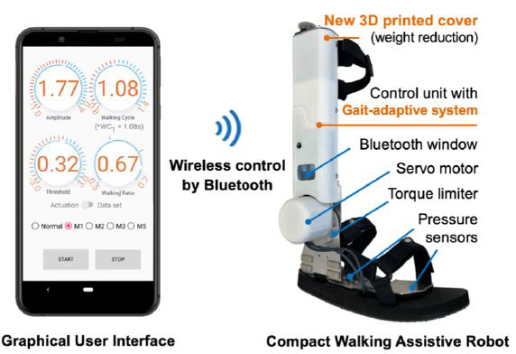
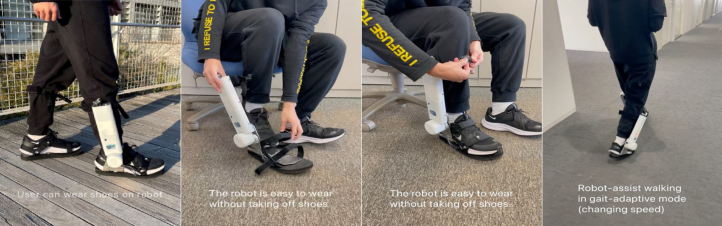
Figure 1: Overview of proposed robot.
HAL® (Hybrid Assistive Limb) was developed by Cyberdyne Inc. and can enhance the joint strength of able-bodied people or assist people with gait dis- orders to carry out normal walking and daily activities (Suzuki et al., 2007). ReWalkTM was developed by ReWalk Robotics Inc. and can assist patients with lower limb paralysis to walk independently (Esquenazi et al., 2012). MINDWALKER can support spinal cord injury patients to walk with sup- portive aids (Wang et al., 2015). SMA® (Stride Management Assist) was developed by Honda Co. and can facilitate the elderly user’s hip motion during walking (Buesing et al., 2015). Curara® was developed by Assist- Motion Inc. and can provide assistance and compensation for the elderly or people with impaired physical functions, and can also be used for rehabil- itation (Tsukahara et al., 2017). Also, we developed some types of walking assist robot (Yusa et al., 2010) (Tanaka et al., 2013). However, it is dif- ficult to use for daily use because these kind of robots was heavy, bulky and high cost. Assisting with the hip joint makes it difficult to make the robot compact, and users can’t even put it inside their clothes. To solve this problem, we focus on ankle assist (Tanaka et al., 2015). In previous studies, we developed an ankle assist robot RE-Gait® (Tanaka et al., 2016), which is lightweight, easy to wear, and can be hidden under the user’s pants. The robot is mainly used in hospital or nursing homes, and the developed software can facilitate medical doctors to adjust the parameters. On the other hand, considering the use of a flexible shaft for the power transmis- sion and the weight of the control device, it is difficult to use for daily life.
In this study, we proposed a compact walking assistive robot for exer- cise promotion and gait training. Overview of proposed robot is shown in
Figure 1. The proposed robot assists ankle motion using a servo motor, con- nects to a smart phone via Bluetooth, and can be controlled by an app. In this paper, we reported a hardware design, a control method, and its evaluation result.
Figure available in the original PDF paper.
HARDWARE DESIGN The proposed robot consists of cover, servo motor, torque limiter, control unit, adjustable straps, shoes, and pressure sensors.
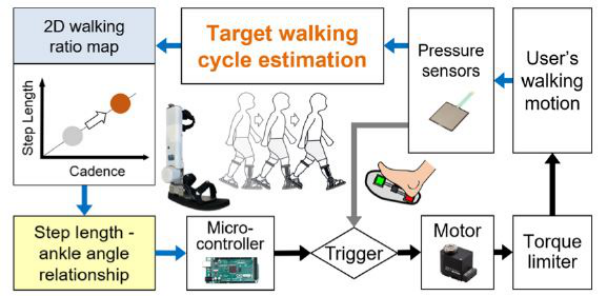
Figure 2: Overview of actuation process of the compact walking assistive robot.
By 3D printing the cover with resin, the total weight including the bat- tery is 1.2 [kg]. As shown in Table 1, the proposed robot is lighter than the related studies, and has a compact size of 30×17×43 [cm] (length, width, height). It was designed with the following points to be compact and easy- to-use. First, we selected a small, powerful servo motor (B3M-SC-1170-A, KONDO KAGAKU Co., Japan) and main processing unit (Mega 2560, Arduino, USA). This servo motor is dimension: 51×32×39.5 [mm], weight: 105 [g], maximum torque: 7.6 [Nm], and has a high precision 12-bit non- contact magnetic encoder (minimum resolution: 0.088 [deg]). Second, electric modules such microcomputers and Bluetooth modules are integrated onto a custom circuit board. Third, we have equipped with a 9.9 [V] 1450 [mAh]
Development of a Compact Walking Assistive Robot 101
Li-Fe battery (F3-1450, KONDO KAGAKU Co., Japan), and its weight is 125 [g]. Compared with Li-Po battery, Li-Fe battery has the advantage of larger capacity and larger discharge current. Also, we designed a charging interface for the robot. The users can easily connect the charger directly to the robot for charging. Furthermore, the users can equip this robot while wearing shoes and adjust the tightness of their shins with buckles, belt, and supporters.
By assisting only the user’s ankle joint, the robot can assist the foot lift based on the stretch reflex mechanism, inform the user of the cor- rect motion and timing, and guide them to achieve ideal walking. Figure 2 shows an actuation process of the proposed robot. The pressure sen- sors are installed at the position of the heel and forefoot in the robot, respectively. The walking phases can be detected by the change in the pressure sensor’s value. When pressure sensors recognize that the user’s walking has reached a specific walking phase, the servo motor will be triggered and operate to the designated target angle to support the user’s muscle.
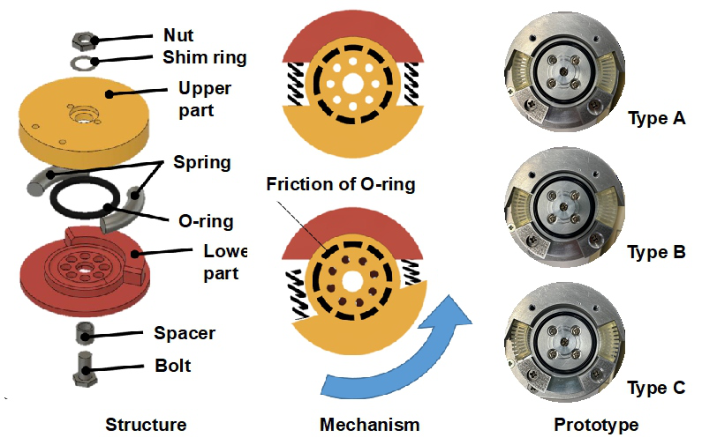
Figure 3: Overview of torque limiter (Tanaka et al., 2021).Table 2. Material properties of spring using a finite element analysis.
Table available in the original PDF paper.
Property Value Elastic Modulus 6.3 [MPa] Mass Density 0.908 [g/cm3] Poisson’s Ratio 0.4
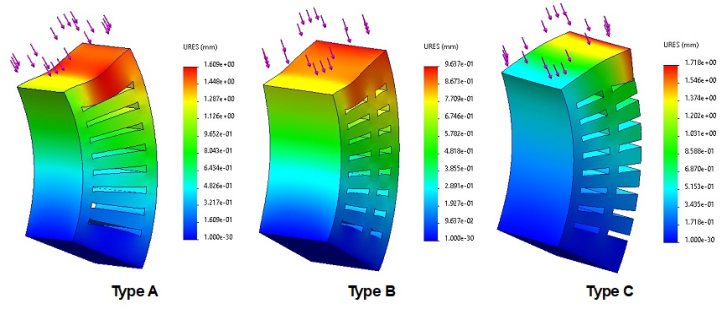
Figure 4: Static analysis of several types of springs using a finite element method.
Overload can be prevented by using a torque limiter. In previous study, we designed a torque limiter with a sandwich mechanism, which configured rubber between a pair of circular plates (Zhuang et al., 2017). However, when the rubber deteriorates and needs to be replaced, it is necessary to open the gear box, which is difficult for the user. Therefore, we proposed a new torque limiter that can be attached externally. The structure of pro- posed torque limiter is shown in Figure 3. This mechanism is assembled with a simple parts configuration and can be disassembled relatively easily by anyone.
As a feature of the proposed structure, it is possible to adjust the response velocity and displacement because it is equipped with a compliant spring that contracts according to the angle difference. Firstly, we designed a type A spring and fabricated a prototype using a stereolithography 3D printer Form 3B+ (Formlabs, USA). Its material is Flexible 80A (Formlabs, USA). However, its side cracked after using it a few times. Therefore, we designed several types and compared them using a finite element analysis (FEA). Type A spring created some space in the middle, type B spring added vertical material to type A, and type C removed one side of type B spring. Table 2 shows the material properties of spring using a FEA. As a static analysis condition, the bottom surface was fixed to the ground and a force of 10 [N] was applied to the top surface. Analysis results of displacement for several types of springs are shown in Figure 4. The maximum displacement was 1.609 [mm] for type A spring, 0.964 [mm] for type B spring, and 1.718 [mm] for type C spring. It was found that the displacement of type B spring is the smallest when the same force is applied. A preliminary test has shown that a type B spring is very durable. Finally, in actual use, we chose a type B spring. In addition, arc-shape spring can reduce the noise because it fits perfectly in the gap. This can make users feel less uncomfortable.
CONTROL METHOD In the manual mode, the user can adjust the robot’s walking parameters through the GUI, and then the robot can guide the user to walk under the predefined parameters. However, the user’s gait is not invariable in real walk- ing because they may change the walking cycle according to their intention.
Development of a Compact Walking Assistive Robot 103
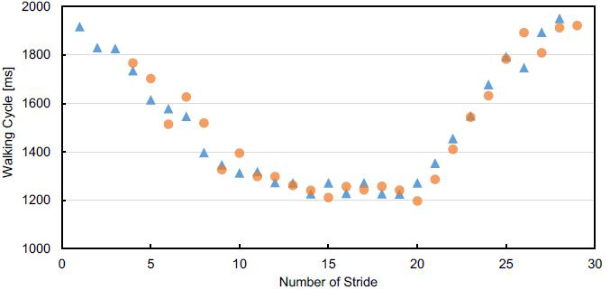
Therefore, we proposed five different methods to achieve the estimation of the walking cycle (Xu et al., 2023). Method 1 (M1) can estimate the target walking cycle (see Figure 2) based on the initial stance phase time measure- ment and personal linear relationship. Method 2 (M2) can estimate the target walking cycle based on average value of previous completed three strides. Method 3 (M3) can estimate the target walking cycle based on linear regres- sion of previous completed three strides. Method 4 (M4) can estimate the target walking cycle based on quadratic regression of previous completed three strides. Method 5 (M5) combines the M3 and M4, and can select the suitable result from the calculated walking cycle based on M3 and M4. In these gait-adaptive modes, the robot can automatically adjust the walking parameters to adapt to the user’s current gait and guide the user to walk with optimal energy cost. The users can switch between each control mode through the GUI.
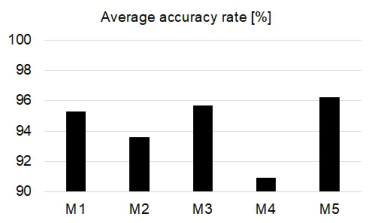
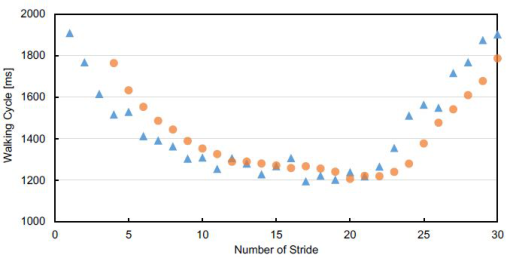
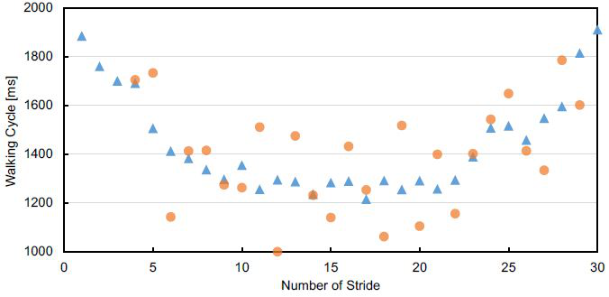
Figure 5: Implementation image for evaluation experiment.Figure 6: Experimental results.Figure 7: Example of result for M2.Figure 8: Example of result for M4.
Evaluation Experiment To verify the effectiveness of proposed robot and gait-adaptive mode, evalu- ation experiment was carried out.
Figure 9: Example of result for M5.
As shown in Figure 5, participants were required to wear the robot and walk continuously for 30 strides (60 steps) with the same gait trends: (a) first walk ten strides with increasing cadence, (b) and then walk ten strides with a constant cadence, (c) finally walk ten strides with cadence reduced. Then, we analysed the average accuracy rates of each gait-adaptive method in esti- mating the target walking cycle and compared them. The experimental result is shown in Figure 6. M1 and M2 are the average values of two participants, M3, M4 and M5 are the average values of five participants. The gait-adaptive method based on M1, M3, M5 achieved high accuracy exceeding 95 %. Figure 7, 8 and 9 show examples of results for M2, M4 and M5, respec- tively. In M2, the participants felt a certain delay. This causes the long cycle of data collection. On the other hands, in M1, M3, M4, M5, the participants didn’t feel an annoying delay. This can assist the user with smooth and stable gait. In M4, the average accurate rate is not good. Thus, we didn’t implement it in GUI. About the robot, the participants felt light weight, noiseless and
Development of a Compact Walking Assistive Robot 105
fun. In addition, we received the feedback that they felt a little unbalanced because it was placed on the outside. Therefore, it is necessary to examine the mounting form suitable for ergonomic structure in the future challenge. For example, in our laboratory, we have developed a system that can evaluate user’s emotion and fatigue (Zhuang et al., 2019) (Li et al., 2022) while walk- ing, so it is also applicable. From evaluation results and positive comments toward robot and control mode, we concluded that an effectiveness of our proposal was shown.
CONCLUSION
In this study, we developed a compact walking assistive robot for exercise promotion and gait training, and evaluated its effectiveness. The user can easily switch modes through the GUI, and the proposed compact walking assistive robot can provide comfortable walking assistance that matches the user’s intentions. The mechanical design, control method, and evaluation results reported in this paper are main contributions. They represent impor- tant steps toward the development of a practical walking assistive robot. In the future, we will optimize the whole design and test it on people of different generations.
In addition, by combining with haptics system using vibration (Tanaka et al., 2016), we can provide more intuitive assistance.
ACKNOWLEDGMENT
This work was supported by JSPS KAKENHI Grant Number JP22H03997.
REFERENCES
Buesing, C., Fisch, G., O’Donnell, M., Shahidi, I., Thomas, L., Mummidisetty, C. K., Williams, K., Takahashi, H., Rymer, W., Jayaraman, A. (2015) “Effects of a wearable exoskeleton stride management assist system (SMA) on spatiotempo- ral gait characteristics in individuals after stroke: a randomized controlled trial”, Journal of Neuro Engineering and Rehabilitation, vol. 12, no. 69. Esquenazi, A., Talaty, M., Packel, A., Saulino, M. (2012) “The ReWalk Powered
Exoskeleton to Restore Ambulatory Function to Individuals with Thoracic-Level Motor-Complete Spinal Cord Injury”, American Journal of Physical Medicine & Rehabilitation, vol. 91, no. 11, pp. 911–921. Li, Y., Gong, Y., Zhuang, J., Yang, J., Osawa, K., Nakagawa, K., Lee, H., Yuge, L., Tanaka, E. (2022) “Development of Automatic Controlled Walking Assistive Device Based on Fatigue and Emotion Detection”, Journal of Robotics and Mechatronics, vol. 34, no. 6, pp. 1383–1397. Suzuki, K., Mito, G., Kawamoto, H., Hasegawa, Y., Sankai, Y. (2007) “Intention-
based walking support for paraplegia patients with Robot Suit HAL”, Advanced Robotics, vol. 21, no. 12, pp. 1441–1469. Tanaka, E., Muramatsu, K., Osawa, Y., Saegusa, S., Yuge, L., Watanuki, K. (2016) “A Walking Promotion Method using the Tuning of a Beat Sound Based on a Two-Dimentional Emotion Map”, Proceedings of the AHFE2016 International Conference on Affective and Pleasurable Design, pp. 519–525. Tanaka, E., Niwa, R., Osawa, K., Nakajima, K., Muramatsu, K., Watanuki,
K., Saegusa, S., Yuge, L. (2015) “Motion Assistance Apparatus Enabled from
the Neuro-Rehabilitation of the Patients to the Promotion of Exercise for the Elderly”, Proceedings of 2015 IEEE/ASME International Conference on Advanced Intelligent Mechatronics, pp. 937–942. Tanaka, E., Osawa, K., Yamamoto, Y. (2021) “Development of a stair walking assistive device for the elderly”, The Proceedings of the Machine Design and Tribology Division meeting in JSME, vol. 20, 1205. Tanaka, E., Osawa, Y., Muramatsu, K., Watanuki, K., Saegusa, S., Yuge L.
(2016) “Study of RE-Gait® as the Device That Promotes Walking Using a Two- Dimensional Emotion Map”, Proceedings of CISM International Centre for Mechanical Sciences, Courses and Lectures, pp. 369–376. Tanaka, E., Saegusa, S., Yuge, L. (2013) “Development of a Whole Body Motion Support Type Mobile Suit and Evaluation of Cerebral Activity Corresponding to the Cortical Motor Areas”, Journal of Advanced Mechanical Design, Systems, and Manufacturing, vol. 7, no. 1, pp. 82–94. Tsukahara, A., Yoshida, K., Matsushima, A., Ajima, K., Kuroda, C., Mizukami, N.,
Hashimoto, M. (2017) “Evaluation of Walking Smoothness using Wearable Robotic System curare® for Spinocerebellar Degeneration Patients”, Proceedings of 2017 International Conference on Rehabilitation Robotics, pp. 1494–1499. Wang, S., Wang, L., Meijneke, C., Asseldonk, E., Hoellinger, T., Cheron, G., Ivanenko, Y., Scaleia, V., Sylos-Labini, F., Molinari, M., Tamburella, F., Pisotta, I., Thorsteinsson, F., Ilzkovitz, M., Gancet, J., Nevatia, Y., Hauffe, R., Zanow, F., Kooij, H. (2015) “Design and Control of the MINDWALKER Exoskeleton”, IEEE Transactions on Neural Systems and Rehabilitation Engineering, vol. 23, no. 2, pp. 277–286. Xu, M., Hua, Y., Li, Y., Zhuang, J., Osawa, K., Nakagawa, K., Lee, H., Yuge, L.,
Tanaka, E. (2023) “Development of an Ankle Assistive Robot with Instantly Gait-Adaptive Method”, Journal of Robotics and Mechatronics, vol. 35, no. 3, pp. 669–683. Yusa, H., Tanaka, E., Ikehara, T., Ito, K., Saegusa, S., Hashimoto, K., Sato, Y., Yuge, L. (2010) “Development of a Walking Assistance Apparatus using a Spatial Parallel Link Mechanism and Evaluation of Muscle Activity”, Proceedings of 19th IEEE International Symposium in Robot and Human Interactive Communication, pp. 151–158. Zhuang, J., Guan, Y., Nagayoshi, H., Muramatsu, K., Watanuki, K., Tanaka, E.
(2019) “Real-Time Emotion Recognition System with Multiple Physiological Sig- nals”, Journal of Advanced Mechanical Design, Systems, and Manufacturing, vol. 13, no. 4, pp. 1–16. Zhuang, J., Nagayoshi, H., Kondo, H., Muramatsu, K., Watanuki, K., Tanaka, E.
(2017) “Development of a torque limiter for the gear of an assistive walking device”, Journal of Advanced Mechanical Design, Systems, and Manufacturing, vol. 11, no. 6.
LISTED IN THE AHFE DIGITAL BOOKSTORE CATALOGUE
Explore the complete digital volume
Emerging Technologies and Future of Work
Read this individual research paper free through the original publisher, or explore the full digital proceedings book.
ISBN 978-1-958651-93-3
Explore this ISBN in the AHFE Bookstore ↗Listed in the July 2026 bookstore catalogue; search by ISBN to confirm current availability · Digital book purchase optional